

10 travel lessons most people learn too late after wasting money, missing flights, and making rookie mistakes

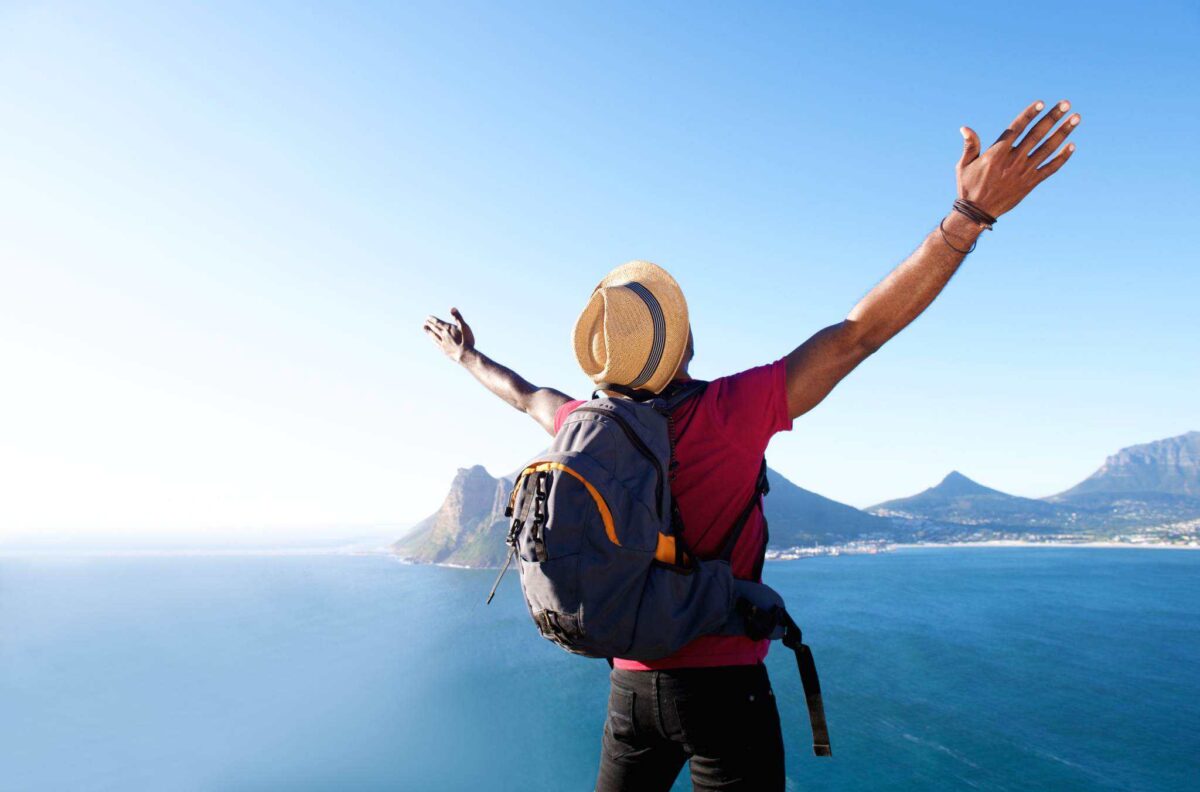
Seasoned travel lessons that save money and stress
Travel often looks glamorous online, but seasoned travellers know that every trip comes with lessons that can save time, money, and unnecessary stress. From missed flights to overpacking disasters, many travellers only discover the smartest strategies after several journeys.
Whether you are preparing for your first international trip or planning another adventure, understanding these travel lessons early can completely transform your experience. Here are 10 valuable travel lessons people usually learn only after multiple trips.
1. Packing Less Makes Travel Easier
One of the biggest mistakes first-time travellers make is overpacking. Many travellers realize after several trips that carrying fewer items actually creates a smoother experience.
Heavy luggage can lead to excess baggage fees, mobility problems, and unnecessary stress during airport transfers. Experienced travellers often stick to versatile clothing, comfortable shoes, and essential gadgets only.
Packing light also gives you flexibility, especially when navigating public transportation or moving between destinations quickly.
2. Travel Plans Rarely Go Exactly as Expected
Flight delays, weather disruptions, lost luggage, and sudden itinerary changes are common travel realities. Frequent travellers understand the importance of flexibility.
Instead of planning every hour of a trip, experienced travellers leave room for unexpected events. Having backup plans, travel insurance, and extra funds can help reduce panic when things go wrong.
The ability to adapt often determines whether a trip remains enjoyable or becomes frustrating.
3. Cheap Flights Can Become Expensive
Budget tickets may initially seem attractive, but hidden costs can quickly add up. Travellers often learn this after paying extra for baggage, seat selection, airport transfers, or inconvenient layovers.
Sometimes, paying slightly more for a direct flight or better airline service can save money and stress in the long run.
Smart travellers compare the total cost of travel instead of focusing only on the ticket price.
4. Comfortable Shoes Matter More Than Fashion
Many travellers prioritize style during their first few trips, only to regret it after hours of walking through airports, tourist attractions, and city streets.
Experienced travellers know that comfortable footwear is essential. Blisters and foot pain can ruin sightseeing plans and reduce overall enjoyment during a vacation.
Comfort often becomes more important than appearance after repeated travel experiences.
5. Researching Local Culture Prevents Problems
Frequent travellers understand the value of learning basic cultural norms before visiting a new country.
Simple things like greeting customs, dress codes, tipping expectations, and public behavior vary across destinations. Travellers who ignore cultural differences may unintentionally offend locals or create uncomfortable situations.
Respecting local customs usually leads to better interactions and a more rewarding travel experience.
READ ALSO
8 Ways to Stay Healthy While Travelling Frequently
7 Cultural Experiences That Go Beyond Tourist Attractions
6. Airport Timing Can Make or Break a Trip
Many travellers learn the hard way that arriving late at the airport creates unnecessary risk. Long security lines, traffic congestion, or unexpected gate changes can cause missed flights.
Experienced travellers often arrive earlier than necessary, especially for international trips. This reduces stress and provides enough time to handle unexpected delays calmly.
Rushing through airports is one of the most avoidable travel mistakes.
7. Photos Are Important, But Experiences Matter More
After multiple trips, many travellers realize they spent too much time trying to capture perfect photos instead of enjoying the moment.
While travel photos create lasting memories, constantly focusing on social media content can reduce genuine experiences. Experienced travellers often balance photography with being fully present during activities and interactions.
Some of the best travel memories are never posted online.
8. Local Food Often Creates the Best Memories
Tourists frequently choose familiar fast-food chains during their first trips. However, seasoned travellers understand that local cuisine is one of the most rewarding parts of travel.
Trying traditional dishes helps travellers connect with culture, history, and local communities. Food markets, street vendors, and family-owned restaurants often provide unforgettable experiences.
Many travellers eventually realize that food becomes one of the strongest memories from any destination.
9. Budgeting Matters More Than People Expect
Travel expenses can rise quickly through transportation, dining, shopping, and unexpected fees. Frequent travellers learn to create realistic budgets before departure.
Tracking spending helps avoid financial stress during and after trips. Experienced travellers also keep emergency funds for unexpected situations such as medical issues or canceled flights.
Financial planning allows travellers to enjoy trips with greater peace of mind.
10. Travel Changes Your Perspective
Perhaps the most important lesson travellers learn is that travel goes beyond sightseeing. Visiting different places exposes people to new lifestyles, cultures, and ways of thinking.
Many travellers return home with broader perspectives, improved confidence, and a greater appreciation for diversity. Travel often becomes less about luxury and more about personal growth and meaningful experiences.
This is why many experienced travellers value the journey itself more than the destination.
Why Experienced Travellers Enjoy Trips More
People who travel regularly often appear calmer because they understand that perfection is unrealistic. They focus on preparation, flexibility, and meaningful experiences instead of chasing flawless itineraries.
These lessons are usually learned through mistakes, delays, and unexpected moments. However, understanding them early can help new travellers avoid common problems and enjoy smoother adventures.
As global tourism continues to grow in 2026, more travellers are prioritizing smarter planning, lighter packing, and authentic experiences over expensive luxury trends.
FAQ
What is the most important travel lesson for beginners?
One of the most important travel lessons is learning to stay flexible. Delays, cancellations, and unexpected changes happen frequently, so adaptable travellers usually enjoy trips more.
Why do experienced travellers pack light?
Experienced travellers pack light to avoid baggage fees, move around easily, and reduce travel stress. Carrying fewer items also saves time during airport check-ins and transfers.
How early should travellers arrive at the airport?
Most experienced travellers recommend arriving at least two hours before domestic flights and three hours before international flights to avoid missing departures.
What are the biggest mistakes first-time travellers make?
Common mistakes include overpacking, overspending, poor planning, ignoring travel insurance, and trying to fit too many activities into one trip.
Why is travel insurance important?
Travel insurance can help cover unexpected problems such as canceled flights, medical emergencies, lost luggage, or travel interruptions.
How can travellers save money during trips?
Travellers can save money by booking flights early, using public transportation, avoiding tourist traps, and setting daily spending budgets.
Why do seasoned travellers prefer local food?
Local food provides a deeper cultural experience and often costs less than tourist-focused restaurants. It also helps travellers connect with local traditions.
What should travellers always carry?
Travellers should always carry essential documents, identification, chargers, medications, emergency cash, and copies of important travel information.
How does travel change people?
Travel exposes people to different cultures and lifestyles, helping them become more open-minded, adaptable, and confident.
Is it better to plan every detail of a trip?
Experienced travellers recommend balancing planning with flexibility. Overplanning can create stress if unexpected changes occur.
What is the best way to avoid travel stress?
Good preparation, realistic expectations, extra airport time, and flexible planning are some of the best ways to reduce travel stress.
Why do many travellers regret overpacking?
Overpacking creates mobility issues, extra baggage costs, and inconvenience, especially during long journeys or multi-city trips.