

How Dangote refinery became the World’s largest jet fuel exporter amid global oil crisis

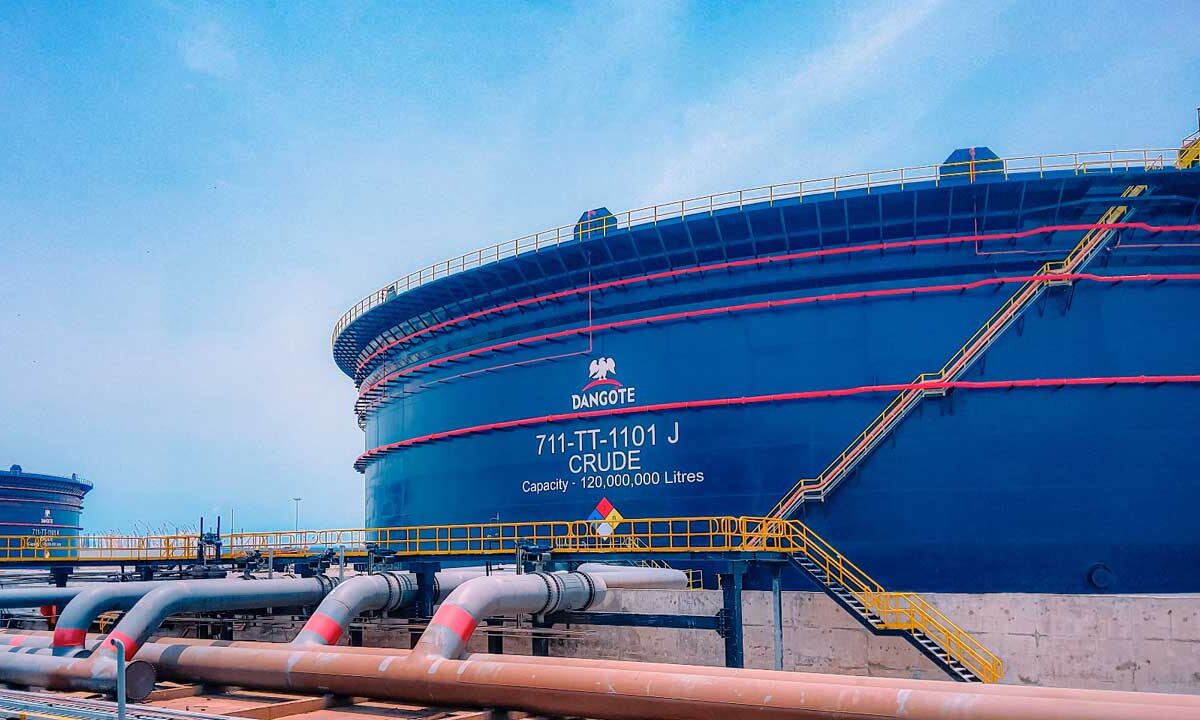
Dangote Refinery emerges as global jet fuel export leader
The Dangote Petroleum Refinery has achieved a major global milestone after emerging as the world’s largest exporter of jet fuel in April 2026, according to new data from S&P Global Commodities at Sea.
The development marks a significant shift in the global energy market, positioning Nigeria as an increasingly influential player in international fuel supply chains amid ongoing geopolitical tensions in the Middle East.
Industry experts say the refinery’s rapid rise highlights how global aviation fuel buyers are increasingly looking beyond traditional suppliers in the Gulf region following disruptions linked to the Iran-Israel-US conflict and uncertainty surrounding the Strait of Hormuz.
The 650,000-barrel-per-day refinery, located in Lagos, has now become one of the most strategically important refining hubs in Africa and beyond.
Middle East Crisis Creates Opportunity for Dangote Refinery
According to reports by S&P Global, the conflict in the Middle East disrupted one of the world’s most critical oil and fuel shipping corridors, tightening aviation fuel supplies globally.
The Strait of Hormuz, through which nearly one-fifth of global oil exports pass, became a major concern for international buyers amid fears of supply disruptions.
As fuel traders searched for alternative aviation fuel sources outside the Middle East, Dangote Refinery reportedly switched operations into what refinery executives described as “max jet mode.”
Dangote Refinery Chief Executive Officer David Bird explained that the company significantly increased jet fuel production to meet rising global demand.
The strategy quickly paid off, with export figures pushing the refinery to the top of the global aviation fuel export rankings in April.
Analysts say the refinery’s geographic advantage on Nigeria’s Atlantic coast also helped position it as an attractive supplier for markets seeking more stable shipping routes.
Dangote Refinery Expands Beyond Nigeria’s Domestic Fuel Market
The latest milestone signals that Dangote Refinery is no longer focused solely on meeting Nigeria’s domestic petroleum demand.
Executives revealed that the refinery is aggressively positioning itself as an international crude oil and refined products trading hub.
According to David Bird, the refinery currently processes about 40 different crude oil grades and intends to significantly expand that capability over time.
The long-term ambition is reportedly to rival major global refining centres such as Singapore’s Pulau Bukom refinery, which processes more than 100 crude oil varieties.
Dangote Refinery is also pursuing international supply agreements with airlines, governments, and national oil companies as part of its global expansion strategy.
The company is simultaneously investing in regional storage infrastructure across Africa, including proposed facilities in Namibia and logistics projects in Central and East Africa.
READ ALSO
FG moves to slash flight costs as Jet fuel prices surge ahead of Hajj 2026
Nigeria’s Growing Influence in Global Energy Markets
The refinery’s global breakthrough comes as Nigeria seeks to strengthen its role in the international oil and gas sector.
Energy analysts say Dangote Refinery’s export growth could improve Nigeria’s foreign exchange earnings while reducing the country’s long-standing dependence on imported refined petroleum products.
The refinery’s growing influence has already begun impacting the local aviation industry.
Earlier this year, rising aviation fuel prices created operational pressure for Nigerian airlines. In response, Dangote Refinery reduced its ex-depot Jet A1 price from N1,750 to N1,650 per litre.
The company also introduced a 30-day interest-free credit facility for airline operators and marketers to stabilise supply.
In another major policy shift, the refinery moved aviation fuel sales from dollar-denominated transactions to naira pricing, a decision aimed at easing foreign exchange pressure on domestic operators.
Dangote Refinery Targets Massive Production Expansion
Despite its recent success, refinery executives say the company’s ambitions remain much larger.
Dangote Refinery is reportedly targeting an eventual production capacity of 1.4 million barrels per day, more than double its current installed capacity.
Achieving that goal would require sourcing crude oil from multiple regions, including the United States, the Middle East, and South America.
Analysts believe the refinery’s rapid expansion could permanently alter Africa’s role in global fuel trading while increasing competition for traditional refining giants.
For many observers, Dangote Refinery’s rise from a domestic mega-project to a global aviation fuel powerhouse represents one of the most significant developments in Africa’s modern energy history.
With global fuel supply chains increasingly vulnerable to geopolitical instability, Nigeria’s refinery giant appears poised to play an even larger role in shaping international energy markets in the years ahead.
FAQ: Dangote Refinery Jet Fuel Exports
Why is Dangote Refinery making global headlines?
Dangote Refinery is making headlines after becoming the world’s largest exporter of jet fuel in April 2026, according to S&P Global Commodities at Sea data.
How did Dangote Refinery become the world’s biggest jet fuel exporter?
The refinery increased aviation fuel production after geopolitical tensions in the Middle East disrupted global fuel supply chains, creating strong international demand for alternative suppliers.
What is “max jet mode” at Dangote Refinery?
“Max jet mode” refers to Dangote Refinery’s strategy of prioritising maximum jet fuel production to meet growing international demand during the global supply disruption.
What caused the global jet fuel supply disruption?
The disruption was linked to conflict involving Iran, Israel, and the United States, as well as uncertainty surrounding the Strait of Hormuz, a key global oil shipping route.
Where is Dangote Refinery located?
Dangote Refinery is located in the Lekki Free Zone area of Lagos State, Nigeria.
What is the production capacity of Dangote Refinery?
The refinery currently has an installed capacity of 650,000 barrels per day, making it Africa’s largest refinery.
Is Dangote Refinery planning to expand further?
Yes. Executives say the company aims to eventually increase production capacity to 1.4 million barrels per day.
How does Dangote Refinery affect Nigeria’s economy?
The refinery helps reduce fuel import dependence, improves foreign exchange earnings, creates jobs, and strengthens Nigeria’s position in global energy markets.
Did Dangote Refinery reduce aviation fuel prices in Nigeria?
Yes. The refinery reduced Jet A1 prices from N1,750 to N1,650 per litre earlier in 2026 to support airline operators and stabilise domestic supply.
Why did Dangote Refinery switch jet fuel sales to naira?
The move was designed to reduce foreign exchange pressure on Nigerian airlines and improve local fuel supply stability.
Can Dangote Refinery supply fuel to other African countries?
Yes. The refinery is already exporting refined petroleum products across Africa and is expanding regional infrastructure to support wider distribution.
Who owns Dangote Refinery?
Dangote Refinery is owned by Nigerian billionaire industrialist through the .
Why is the Strait of Hormuz important to global fuel markets?
The Strait of Hormuz is one of the world’s most important oil shipping routes, handling roughly 20% of global oil and fuel exports.
What products does Dangote Refinery produce?
The refinery produces petrol, diesel, aviation fuel, liquefied petroleum gas, and other refined petroleum products.
Could Dangote Refinery lower air travel costs in Nigeria?
Lower aviation fuel prices could eventually help airlines reduce operating costs, although ticket prices also depend on exchange rates, taxes, and operational expenses.