

6 Revolutionary Technologies That Could Transform Healthcare Forever

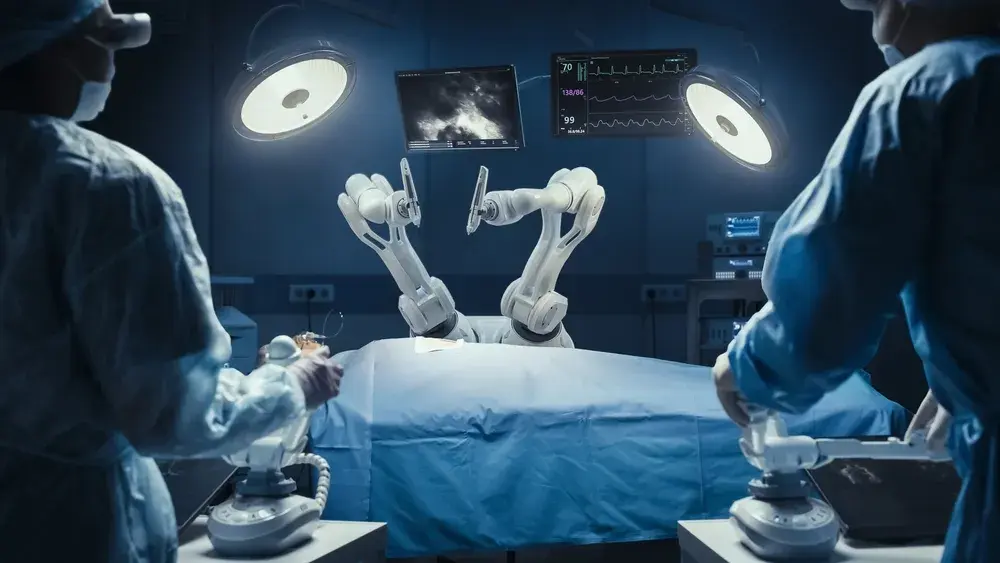
Future healthcare technologies reshaping medicine worldwide
The healthcare industry is undergoing one of the most significant technological transformations in modern history. From artificial intelligence-powered diagnostics to wearable devices capable of tracking health conditions in real time, experts say emerging innovations could permanently reshape how diseases are detected, treated, and prevented.
As governments, hospitals, and private companies continue investing heavily in digital medicine and biotechnology, healthcare systems worldwide are moving toward faster diagnoses, personalized treatment plans, and more accessible patient care.
Medical professionals believe several breakthrough technologies already being tested or implemented could redefine healthcare over the next decade.
1. Artificial Intelligence in Medical Diagnosis
Artificial intelligence (AI) is rapidly becoming one of the most influential technologies in healthcare.
AI systems can analyze massive amounts of medical data within seconds, helping doctors detect diseases earlier and with greater accuracy. Researchers say AI-powered tools are already assisting with the diagnosis of cancer, heart disease, neurological disorders, and eye conditions.
Hospitals are increasingly using AI to interpret medical scans, predict patient risks, and improve treatment decisions.
Experts believe AI could reduce diagnostic errors while helping healthcare professionals save time and improve patient outcomes.
2. Telemedicine and Virtual Healthcare
Telemedicine became widely adopted during the COVID-19 pandemic and continues to grow globally in 2026.
Virtual healthcare platforms now allow patients to consult doctors remotely through smartphones, laptops, or specialized health apps. This technology has significantly improved healthcare access for people living in rural or underserved communities.
Patients can receive prescriptions, follow-up consultations, and mental health support without physically visiting hospitals.
Healthcare analysts say telemedicine could permanently change how routine medical care is delivered worldwide.
3. Wearable Health Monitoring Devices
Wearable technology is becoming increasingly advanced, allowing users to monitor their health in real time.
Smartwatches, fitness trackers, and wearable sensors can now measure heart rate, oxygen levels, sleep quality, blood pressure, and physical activity continuously.
Some devices can even detect irregular heart rhythms and alert users to potential health emergencies before symptoms become severe.
Medical experts believe wearable devices could help prevent chronic diseases by encouraging earlier intervention and healthier lifestyle choices.
READ ALSO
8 Common Online Scams and How to Avoid Them
7 Smart Habits for Managing Screen Time Effectively
4. Robotic Surgery and Medical Robotics
Robotic-assisted surgery is transforming operating rooms across the world.
Advanced surgical robots help doctors perform highly precise procedures with smaller incisions, reduced blood loss, and faster recovery times for patients.
Robotics are also being used in rehabilitation therapy, pharmacy automation, and hospital logistics.
Healthcare providers say robotic systems improve efficiency and reduce complications during complex surgeries.
As technology improves, experts predict robotic assistance could become a standard feature in many hospitals globally.
5. Gene Editing and Personalized Medicine
Gene editing technologies such as CRISPR are opening new possibilities for treating genetic diseases.
Scientists are researching ways to modify defective genes responsible for inherited illnesses, potentially offering long-term cures instead of temporary treatments.
At the same time, personalized medicine is helping doctors tailor treatments based on a patient’s genetic profile, lifestyle, and medical history.
Experts believe these innovations could dramatically improve cancer treatment, rare disease management, and drug effectiveness in the future.
6. Remote Patient Monitoring Systems
Remote patient monitoring systems are helping doctors track patients outside traditional hospital settings.
These technologies use connected medical devices to monitor vital signs, medication use, glucose levels, and other health indicators from home.
Healthcare providers can receive real-time updates and intervene quickly if a patient’s condition worsens.
Experts say remote monitoring reduces hospital readmissions, improves chronic disease management, and helps patients maintain greater independence.
Healthcare’s Digital Future Continues to Expand
Medical experts believe technology will continue reshaping healthcare at an accelerated pace over the coming years.
While concerns remain around data privacy, cybersecurity, affordability, and ethical regulations, many professionals argue the potential benefits far outweigh the challenges.
Innovations such as AI, robotics, digital health systems, and biotechnology are expected to improve efficiency, reduce healthcare costs, and expand medical access worldwide.
As healthcare systems adapt to changing patient needs and technological capabilities, experts say the future of medicine may become more personalized, predictive, and preventive than ever before.
FAQ
What technologies are changing healthcare the most?
Artificial intelligence, telemedicine, wearable health devices, robotic surgery, gene editing, and remote patient monitoring are among the most transformative healthcare technologies today.
How is AI used in healthcare?
AI helps doctors analyze medical scans, predict diseases, improve diagnoses, manage hospital systems, and recommend treatment options more efficiently.
What is telemedicine?
Telemedicine allows patients to consult healthcare professionals remotely using video calls, apps, or online communication platforms.
Are wearable health devices accurate?
Many modern wearable devices provide reliable tracking for heart rate, sleep patterns, activity levels, and oxygen saturation, though they are not replacements for professional medical equipment.
What is robotic surgery?
Robotic surgery uses advanced robotic systems controlled by surgeons to perform precise procedures with smaller incisions and faster recovery times.
What is personalized medicine?
Personalized medicine tailors medical treatment based on an individual’s genetics, health history, and lifestyle factors to improve effectiveness.
Can gene editing cure diseases?
Gene editing technologies like CRISPR are being researched as potential treatments for inherited genetic disorders, certain cancers, and rare diseases.
What are remote patient monitoring systems?
These systems use connected medical devices to monitor patients’ health data from home and send updates to healthcare providers in real time.
Is AI replacing doctors?
No. AI is designed to assist healthcare professionals by improving efficiency and accuracy, not replace human doctors entirely.
What are the benefits of healthcare technology?
Healthcare technology can improve diagnosis accuracy, reduce costs, increase patient access, enhance treatment outcomes, and support preventive care.
What challenges does healthcare technology face?
Major challenges include cybersecurity risks, patient privacy concerns, high implementation costs, ethical questions, and unequal access to advanced technologies.
What will hospitals look like in the future?
Experts predict future hospitals will rely heavily on AI systems, robotics, remote monitoring, digital records, and personalized treatment technologies.