

Will Chevron and Exxon Lower Gas Prices After Trump’s Latest Criticism?

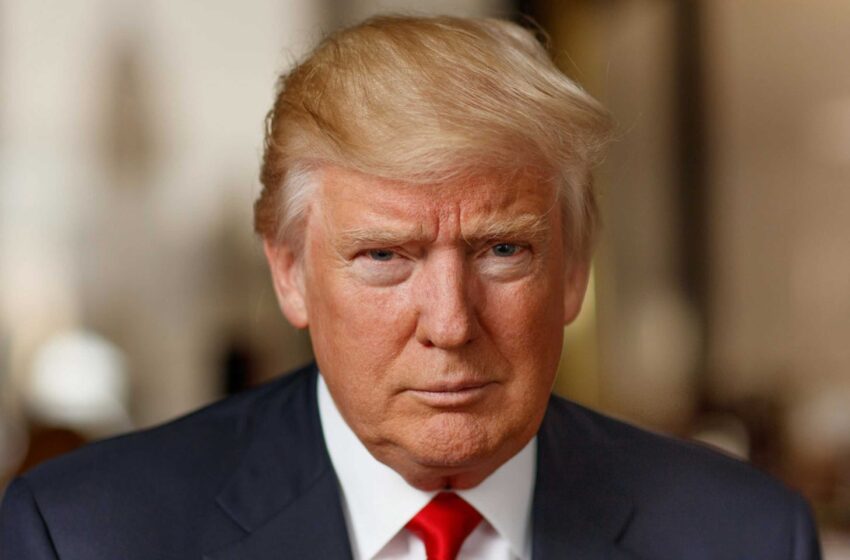
Donald Trump. Picture: David Hume Kennerly/Getty Images
President Donald Trump has sharply criticized Chevron and ExxonMobil after both energy giants posted record-breaking second-quarter earnings, accusing them of making “too much money” from the surge in oil prices caused by the Iran conflict.
The remarks mark one of Trump’s strongest rebukes yet of the U.S. oil industry, despite his long-standing support for domestic energy production. Speaking at the White House, the president argued that companies benefiting from elevated crude prices should pass some of their profits on to American consumers by lowering gasoline prices.
The comments come as millions of drivers continue to pay significantly more at the pump following months of geopolitical tensions in the Middle East, where disruptions linked to the Iran conflict pushed global crude prices sharply higher.
Trump says Chevron and Exxon earned too much from higher oil prices
Trump singled out Chevron and ExxonMobil after both companies announced exceptionally strong financial results for the second quarter.
“Chevron, too much money. ExxonMobil, too much money,” Trump told reporters, adding that the companies had benefited from shortages created during the Iran conflict.
According to the latest earnings reports, Chevron’s quarterly profit surged to about $12 billion, nearly five times higher than the same period a year earlier. ExxonMobil reported approximately $14.5 billion in quarterly earnings, more than doubling its year-over-year performance and marking one of its strongest quarters in recent years.
The president argued that consumers should benefit from the industry’s financial gains.
“They’re going to give some of that back to the public, and they better cut the retail price,” Trump said.
Iran conflict pushes crude oil prices higher
The remarkable earnings followed months of volatility in global energy markets.
Oil prices climbed rapidly after military action involving the United States, Israel and Iran heightened fears of supply disruptions. Markets became increasingly concerned that Iranian retaliation could threaten shipping through the Strait of Hormuz, one of the world’s most critical oil transit routes.
During the second quarter, U.S. crude prices averaged significantly above first-quarter levels, creating favorable conditions for major oil producers.
Although crude prices have eased from their peak amid renewed hopes for diplomatic talks between Washington and Tehran, they remain well above pre-conflict levels.
READ ALSO
Trump declares Iran ceasefire ‘over’ as U.S. threatens fresh strikes, oil prices surge worldwide
Americans continue paying more at the pump
While oil producers benefited from stronger crude prices, motorists have continued facing elevated fuel costs.
National gasoline prices remain above $4 per gallon in many parts of the United States, considerably higher than before the escalation of the Iran conflict.
Trump argued that falling oil prices in recent weeks should have translated into lower prices for drivers.
His administration has repeatedly urged fuel retailers to reduce prices and has previously warned that federal authorities would investigate any evidence of price gouging in the retail gasoline market.
The president maintains that consumers should quickly benefit whenever wholesale oil prices decline.
Chevron and Exxon yet to respond publicly
Following Trump’s remarks, both Chevron and ExxonMobil were contacted for comment.
The companies have consistently maintained that their earnings reflect global commodity prices rather than direct control over retail gasoline costs.
Energy analysts frequently note that gasoline prices depend on multiple factors beyond crude oil, including refining capacity, transportation costs, taxes, seasonal demand and regional market conditions.
Meanwhile, oil company shares declined after Trump’s comments, although broader market weakness and falling crude prices also contributed to investor sentiment.
Climate campaigners renew criticism of oil industry profits
Environmental organizations also criticized the record earnings, arguing that consumers continue bearing the burden of higher fuel costs while oil companies report enormous profits.
Campaigners contend that the latest financial results highlight how geopolitical crises can generate substantial windfall earnings for major producers, even as households face increased living expenses.
Some advocacy groups renewed calls for stronger oversight of the energy sector and policies aimed at reducing dependence on fossil fuels.
Debate over energy prices likely to continue
Trump’s criticism places him in an unusual position, balancing support for domestic oil production with growing pressure from voters frustrated by high fuel prices.
With fuel costs remaining a politically sensitive issue, energy prices are expected to remain a central topic in Washington as lawmakers continue debating consumer protections, domestic production and broader energy policy.
Whether Trump’s public pressure results in lower gasoline prices remains uncertain, but the comments underscore the administration’s increasing focus on the impact of energy costs on American households.
FAQ
Why did Donald Trump criticize Chevron?
Trump said Chevron made “too much money” from higher oil prices during the Iran conflict and argued the company should help reduce gasoline prices for consumers.
Why did Trump also criticize ExxonMobil?
The president said ExxonMobil benefited significantly from elevated crude oil prices and should pass some of those gains to the public through lower fuel prices.
How much profit did Chevron report?
Chevron reported approximately $12 billion in second-quarter earnings, one of the strongest quarterly performances in the company’s history.
How much did ExxonMobil earn?
ExxonMobil reported roughly $14.5 billion in second-quarter profit, more than doubling its earnings from the same period a year earlier.
Why did oil prices increase?
Oil prices surged because the Iran conflict raised concerns about global supply disruptions, particularly around the Strait of Hormuz, a major route for international oil shipments.
Are gasoline prices expected to fall?
Gasoline prices may decline if crude oil prices continue falling, but retail fuel prices also depend on refining costs, transportation, taxes and regional market conditions.
Can the U.S. president force oil companies to lower prices?
The president cannot directly set gasoline prices. Retail prices are determined by market forces, although the administration can encourage competition, investigate alleged price gouging and influence broader energy policy.
Why are Chevron and Exxon making record profits?
Major oil companies generally earn higher profits when crude oil prices rise because they receive more revenue for the oil and natural gas they produce.
Did Trump’s comments affect Chevron and Exxon stocks?
Both companies’ shares declined after Trump’s remarks, although broader weakness in oil prices also weighed on energy stocks.
What happens next?
Congress and the Trump administration are expected to continue monitoring energy prices while markets watch developments in U.S.-Iran relations and global oil supply conditions.