

Why is the DOJ trying to dismiss the Jan. 6 class action lawsuit? Key reasons behind the legal move

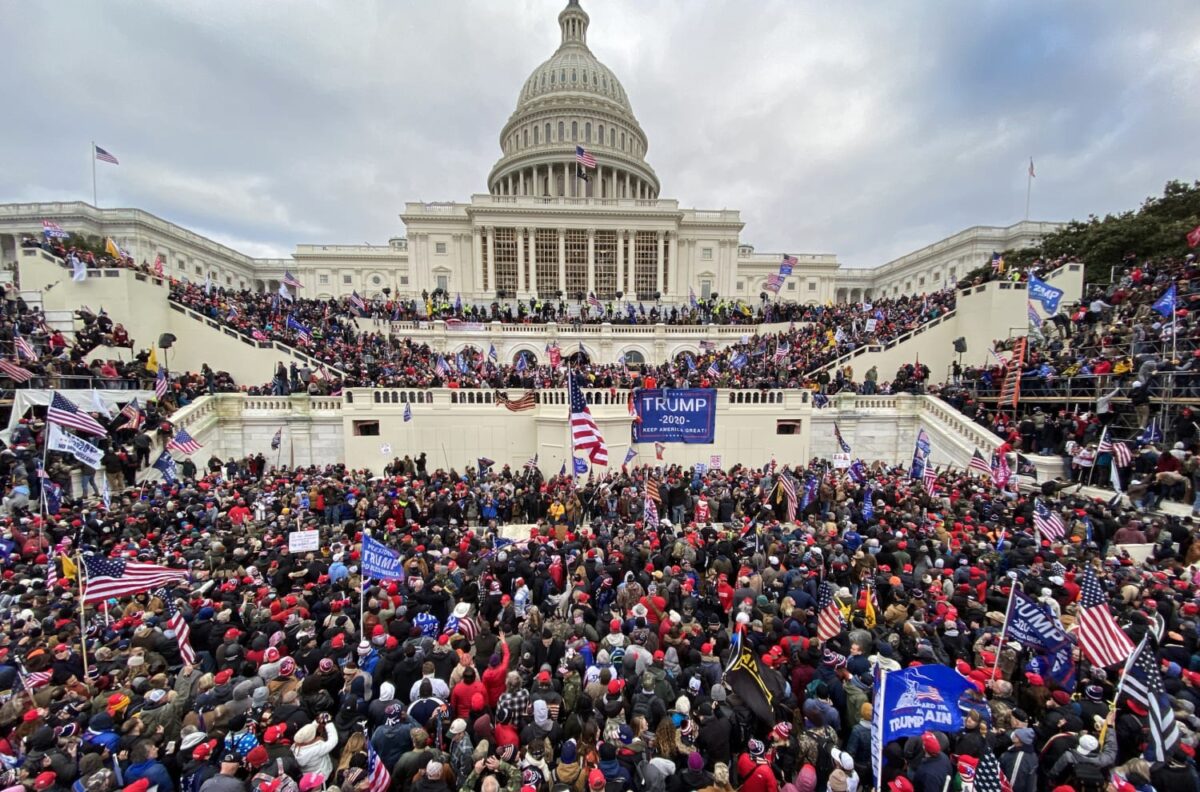
DOJ seeks dismissal of Jan. 6 class action lawsuit. Image Credit: Tayfun Coskun / Anadolu Agency via Getty Images file
The U.S. Department of Justice (DOJ) has asked a federal court to dismiss a class action lawsuit filed by several defendants involved in the January 6, 2021, Capitol attack, arguing that the claims were submitted too late under federal law.
The lawsuit, brought under the Federal Tort Claims Act (FTCA), alleges that plaintiffs suffered injuries due to excessive force used by law enforcement officers during the Capitol riot. However, the Justice Department contends that the claims are legally barred because the required deadlines expired years before the plaintiffs filed their administrative complaints.
The filing adds another legal chapter to the long-running fallout from the January 6 attack and highlights how procedural rules—not just the substance of claims—can determine whether lawsuits proceed.
DOJ says the lawsuit missed the legal filing deadline
At the center of the government’s request is the Federal Tort Claims Act, which sets strict timelines for individuals seeking to sue the federal government.
According to the DOJ, anyone claiming injury from the events of January 6, 2021, had until January 6, 2023, to submit the necessary administrative claim before filing a lawsuit.
The department told the court that the earliest administrative claim filed by any of the named plaintiffs was dated July 29, 2025—more than two years after the statutory deadline.
Because of that delay, the DOJ argued the claims are “forever barred” under federal law.
Plaintiffs allege excessive police force during Capitol riot
The class action lawsuit was filed by several January 6 defendants who claim they were injured by what they describe as excessive police force during the Capitol breach.
The plaintiffs argue that law enforcement officers caused physical injuries while responding to the riot and seek compensation under the Federal Tort Claims Act.
The Justice Department, however, maintains that regardless of the allegations, the claims cannot proceed because the required legal deadlines were not met.
Justice Department also cites incomplete administrative filings
In addition to the statute of limitations issue, the DOJ argued that several administrative claim forms submitted by the plaintiffs were incomplete.
According to court filings, some claims lacked signatures, while others were missing supporting documentation required under the Federal Tort Claims Act.
The government argues these deficiencies provide additional reasons why the lawsuit should not move forward.
READ ALSO
‘I’ve had enough’: Trump walks out of NBC interview amid heated fact-check exchange
Government argues plaintiffs knew of their alleged injuries
The DOJ told the court that the plaintiffs were fully aware of their alleged injuries on the day of the Capitol riot.
Because they knew both the nature of their injuries and the identity of the agency involved, the government argues they had sufficient information to pursue legal action within the statutory deadline.
Instead, federal lawyers contend the plaintiffs waited years before initiating the required administrative process.
Filing comes after changes to Trump-era compensation fund
The legal filing follows another recent development involving January 6-related claims.
Acting Attorney General Todd Blanche recently rescinded a proposed $1.8 billion “anti-weaponization” fund that had been intended to compensate individuals who claimed they had been unfairly targeted by federal investigations.
However, reports indicate the rescission does not explicitly prevent future government compensation or restitution involving January 6 defendants should Congress or future administrations revive similar programs.
A former Justice Department attorney has reportedly argued that Blanche’s order alone does not permanently eliminate the possibility of such a fund returning.
What happens next?
The federal court must now decide whether to grant the Justice Department’s motion to dismiss.
If the judge agrees with the government’s interpretation of the Federal Tort Claims Act, the lawsuit could end without any consideration of the underlying allegations regarding police conduct.
If the motion is denied, the case would proceed to the next phase, where the plaintiffs’ claims could be examined on their merits.
Regardless of the outcome, the dispute underscores the importance of statutory deadlines in federal litigation. Courts routinely enforce filing requirements, and missing those deadlines can prevent claims from moving forward even before factual allegations are evaluated.
The latest filing also illustrates how litigation connected to the January 6 Capitol attack continues to shape legal and political debates years after the events occurred.
FAQ
Why is the DOJ trying to dismiss the Jan. 6 class action lawsuit?
The Justice Department argues the plaintiffs filed their claims after the legal deadline established under the Federal Tort Claims Act, making the lawsuit time-barred.
What is the Jan. 6 class action lawsuit about?
The lawsuit alleges that several January 6 defendants suffered injuries due to excessive force used by law enforcement officers during the Capitol riot.
What is the Federal Tort Claims Act?
The Federal Tort Claims Act (FTCA) allows individuals to seek compensation from the federal government under certain circumstances, but it requires strict compliance with filing deadlines and administrative procedures.
Why does the DOJ say the lawsuit was filed too late?
According to the department, the plaintiffs had until January 6, 2023, to file administrative claims but did not do so until July 2025.
Did the DOJ mention any other issues with the lawsuit?
Yes. The government also argued that some administrative claim forms were incomplete because they lacked signatures or supporting documentation.
What is a statute of limitations?
A statute of limitations is a legal deadline that determines how long someone has to file a claim after an event occurs.
What happens if the court grants the DOJ’s motion?
If the judge agrees with the DOJ, the lawsuit will likely be dismissed without the court considering the underlying allegations.
What role does Todd Blanche play in this case?
Todd Blanche, the Acting Attorney General, recently rescinded a proposed compensation fund related to alleged government weaponization, though that action is separate from the DOJ’s motion to dismiss this lawsuit.
Can the plaintiffs still pursue other legal options?
That depends on the court’s ruling and whether any other legal avenues remain available. The DOJ’s current motion specifically addresses this lawsuit under the Federal Tort Claims Act.
Why is this case significant?
The case highlights how procedural requirements, including filing deadlines, can determine whether federal lawsuits proceed, regardless of the underlying claims.