
The night of April 14, 2014, remains one of the darkest moments in Nigeria’s history.
Armed Boko Haram terrorists invaded Government Girls Secondary School in Chibok, Borno State, and abducted 276 schoolgirls. The attack shocked the country and attracted international attention through the Bring Back Our Girls campaign. More than a decade later, over 70 girls remain missing. In the aftermath, many schools in the area shut down for extended periods as fear spread among parents, teachers and students.
Nearly four years later, another attack followed. In February 2018, Boko Haram militants invaded Government Girls Science and Technical College in Dapchi, Yobe State, and abducted 110 students. Although negotiations secured the release of 104 girls, the incident reinforced concerns about the vulnerability of Nigerian schools to mass abductions.
What began with Chibok has gradually developed into a disturbing pattern. On June 17, 2026, gunmen attacked schools in Orire Local Government Area of Oyo State, abducting 39 students and teachers. One teacher was reportedly beheaded while in captivity. The remaining victims regained their freedom after spending 52 days with their captors.
These attacks are no longer isolated incidents. Data compiled by the Armed Conflict Location and Event Data Project (ACLED) and published by BusinessDay Newspaper shows that Nigeria recorded 26 major school attacks across 13 states between 2014 and 2026. The incidents resulted in the abduction of 2,416 students. Although many have regained their freedom, others remain in captivity. This leaves parents and communities worried about which school could become the next target.
Beyond the immediate trauma, school abductions are gradually reshaping Nigeria’s education system.
In a November 2025 report, Amnesty International revealed that insecurity had forced at least 20,468 schools across seven states to close indefinitely. The closures followed the abduction of more than 300 students from a Catholic school in Niger State.
Each closure keeps thousands of children away from education. For some, the interruption could become permanent.
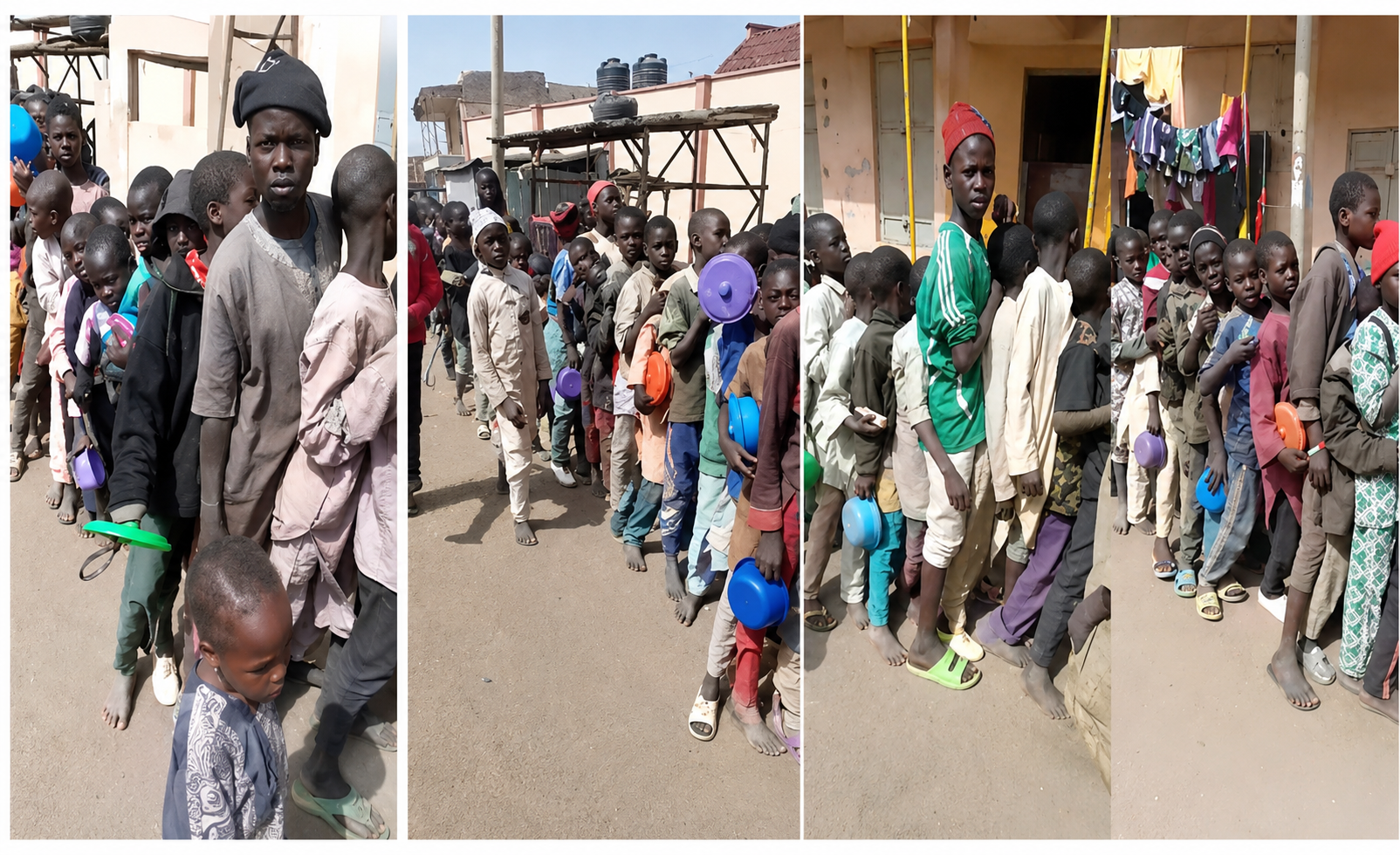
Nigeria’s education crisis was already severe before these attacks intensified. According to UNICEF’s 2024 data, about 10.2 million Nigerian children of primary school age are out of school. Another 8.1 million children at the junior secondary level also miss classroom education.
UNICEF noted that 66 per cent of these children live in the North-West and North-East. These regions have also experienced some of the country’s highest numbers of school attacks and abductions.
However, insecurity is not the only obstacle. Poverty makes it harder for children displaced by violence to return to school. The National Bureau of Statistics’ 2022 Multidimensional Poverty Index estimated that about 133 million Nigerians live in multidimensional poverty.
For families already struggling to pay school fees and meet basic needs, an attack can make returning to school even more difficult. Some parents may decide that keeping their children at home is safer than risking another attack.
There are also growing concerns about the changing tactics of criminal groups. Armed groups now launch attacks at night and in broad daylight. Some issue warnings before striking, while others use social media to display ransom proceeds or spread propaganda.
Their growing confidence raises serious questions about the effectiveness of Nigeria’s security response and the protection of children in schools.
The full impact of these attacks on Nigeria’s out-of-school population is still unfolding. However, every new incident deepens fear among parents and communities. Every school closure also pushes more children away from the classroom.
Unless the government confronts insecurity and poverty through sustained, coordinated action, Nigeria risks raising a generation denied both education and the opportunities it provides.
The consequences could extend far beyond the classroom. A study by Charity N. Oko, Emenike John, Amina Doma and Mary Akinsola found that rising out-of-school rates could contribute to future manpower shortages, increased child labour, teenage pregnancy and early marriage.
The researchers also identified weaker child development and greater exposure to crime, violence and exploitation as possible consequences. Together, these challenges pose a serious threat to Nigeria’s sustainable development.