
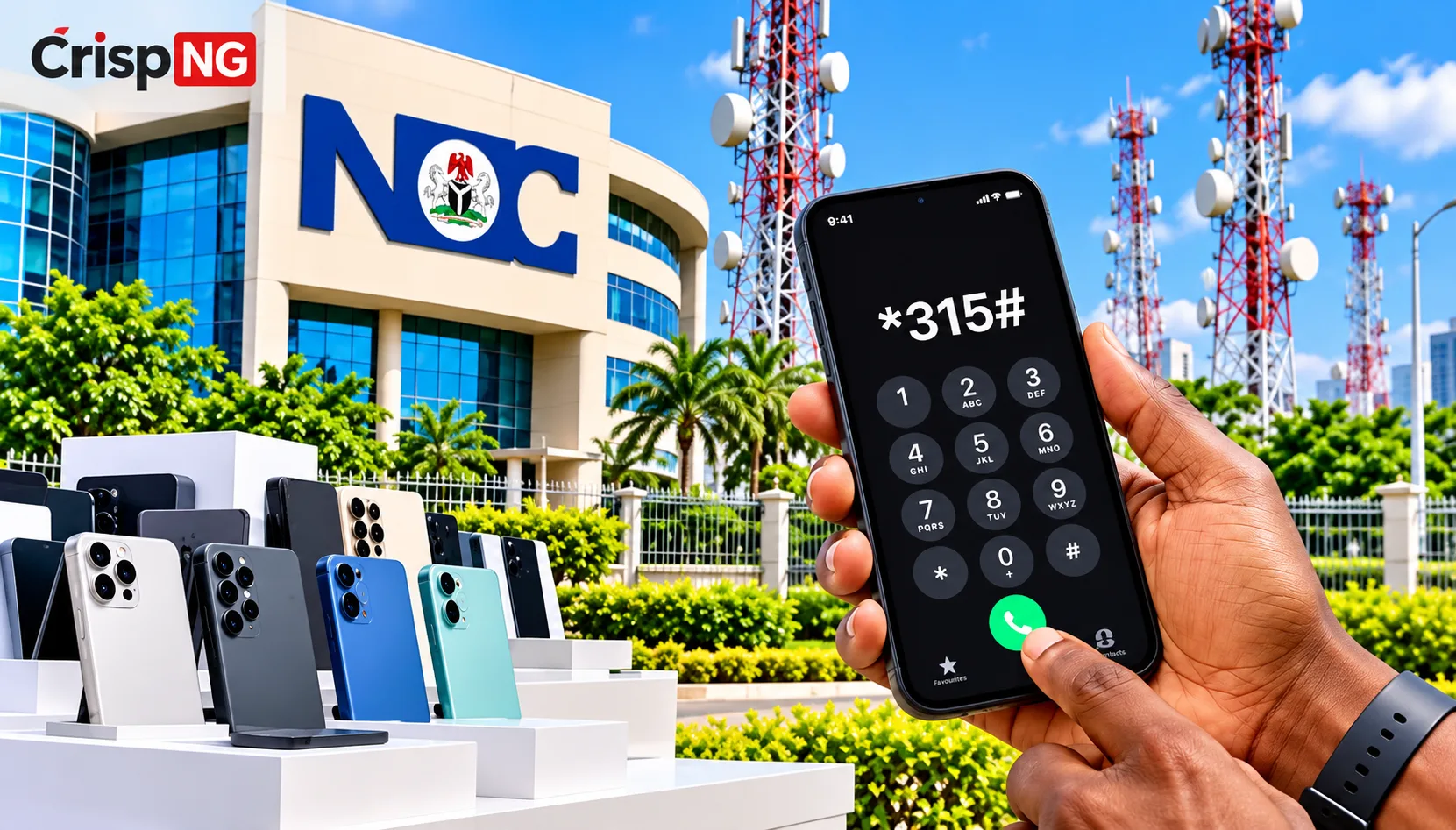
The Nigerian Communications Commission’s Device Management System covers more than smartphones. SIM-enabled POS terminals, cellular tablets, broadband devices and other connected equipment may also face verification requirements.
Nigerians using POS terminals, tablets and internet routers may also be affected by the Nigerian Communications Commission’s (NCC) Device Management System (DMS).
The commission’s rules cover SIM-enabled devices designed to connect to Nigerian mobile networks. This includes smartphones, feature phones, cellular tablets, SIM-enabled POS terminals, laptops and eligible Internet of Things (IoT) devices.
The NCC explained this in its Device Checker and Type Approval frequently asked questions.
This means the system is not limited to people using imported or fairly used smartphones. Other equipment that connects through mobile networks also falls within its stated scope.
Which POS terminals and tablets are affected?
The NCC specifically lists SIM-enabled POS terminals among the devices covered by its compliance requirements.
This means a merchant using a POS terminal with a SIM card to connect to a mobile network should understand the device’s approval and verification status.
However, the rule does not automatically cover every POS terminal. A terminal that connects through Wi-Fi or a wired internet connection without cellular capability is different from a SIM-enabled model.
The same distinction applies to tablets. A cellular tablet that supports a SIM card or cellular connectivity falls within the NCC’s stated device categories.
A Wi-Fi-only tablet without cellular capability does not fall within the stated SIM-enabled scope.
Read also: NCC to Block Unapproved Phones from Nigerian Networks — What Buyers Should Know
What about internet routers and MiFi devices?
SIM-enabled routers and MiFi devices may also be affected because they connect to mobile broadband networks.
The NCC’s Type Approval guidance identifies broadband devices among the equipment that may require Device Checker onboarding.
This includes cellular devices that use mobile network connections to provide internet access to phones, computers and other equipment.
However, a conventional router that relies solely on a fixed broadband connection or Ethernet cable is different from a cellular router with a SIM or eSIM.
The important consideration is whether the equipment has cellular capability and connects to a Nigerian mobile network.
Who is responsible for verifying these devices?
The NCC places the main compliance responsibility on manufacturers, importers, suppliers and businesses that introduce communications equipment into the Nigerian market.
Its Type Approval and Device Verification Guide outlines three requirements for relevant businesses: the appropriate operating licence, Type Approval for the device model and verification of individual devices through their IMEI numbers.
Businesses can submit device identifiers through the industry verification portal. The portal also supports bulk uploads for businesses handling multiple devices.
Consumers buying from Nigerian sellers are not expected to obtain Type Approval themselves. However, the NCC advises buyers to check a device’s status before paying.
Read also: NCC Phone Approval: How to Check Your Phone Before Nigeria’s 30-Day Network Disconnection Warning
Can the NCC disconnect a POS terminal or router?
Devices confirmed not to meet applicable NCC requirements may be restricted from Nigerian mobile networks.
For a SIM-enabled POS terminal, this could affect its ability to connect through a mobile network. Similarly, a cellular router may lose access to mobile broadband services if it becomes subject to a compliance restriction.
However, this does not mean every POS terminal, tablet or router currently in use will automatically lose service.
The NCC says devices already connected to Nigerian networks before October 7, 2026, were automatically verified. Devices bought within Nigeria also do not ordinarily require users to take additional action.
Users experiencing a verification problem should contact their seller or service provider for assistance.
Frequently Asked Questions
Does the NCC Device Checker cover all POS machines?
No. The stated requirement covers SIM-enabled POS terminals that connect to Nigerian mobile networks.
Are Wi-Fi-only tablets affected?
The NCC’s stated scope covers cellular tablets. Wi-Fi-only models without cellular capability are not included in that category.
Can a SIM-enabled router be blocked?
Yes. A cellular broadband device that fails applicable requirements may face network restrictions.
Do consumers have to register their routers or POS terminals themselves?
Consumers buying locally are not normally expected to obtain Type Approval or submit device IMEIs themselves. The relevant businesses in the supply chain carry those responsibilities.