

African Union vs ECOWAS: What Is the Difference?


The April 2026 map shows ECOWAS’s former 15-member footprint, including Burkina Faso, Mali and Niger, which withdrew in January 2025.
The African Union (AU) is a continental organisation of 55 African states, while the Economic Community of West African States (ECOWAS) is a regional bloc focused on cooperation and integration in West Africa. ECOWAS is one of eight regional economic communities recognised by the AU, so the two organisations work at different geographic levels and have different membership, treaties and day-to-day priorities.
Key facts about the AU and ECOWAS
- African Union: continental body with 55 member states; officially launched in 2002 as successor to the Organisation of African Unity.
- ECOWAS: West African regional community founded in 1975 to promote economic integration; it has 12 members as of October 2026.
- Relationship: the AU recognises ECOWAS as one of Africa’s regional economic communities, which support integration across the continent.
- Practical difference: AU decisions cover continent-wide priorities; ECOWAS work focuses on West African trade, movement, security and regional cooperation.
What is the African Union?
The AU is a continental organisation whose members are the states of Africa. It was officially launched in Durban, South Africa, in July 2002, following a 1999 decision by African leaders to establish a successor to the Organisation of African Unity (OAU). The OAU had been created in 1963, when 32 independent African states signed its charter in Addis Ababa.
The change reflected a broader ambition: while the OAU focused heavily on ending colonial rule and apartheid and protecting state sovereignty, the AU’s founding framework gave greater emphasis to continental integration, peace and security, development, human rights and common African positions in international affairs. The AU sets these aims out in its official overview and Constitutive Act.
The AU’s Assembly brings together the heads of state and government of its member states. Other bodies include the Executive Council, the Commission and the Peace and Security Council. The Assembly sets common priorities and makes decisions on matters within the Union’s mandate; the Commission coordinates much of the organisation’s programme work.
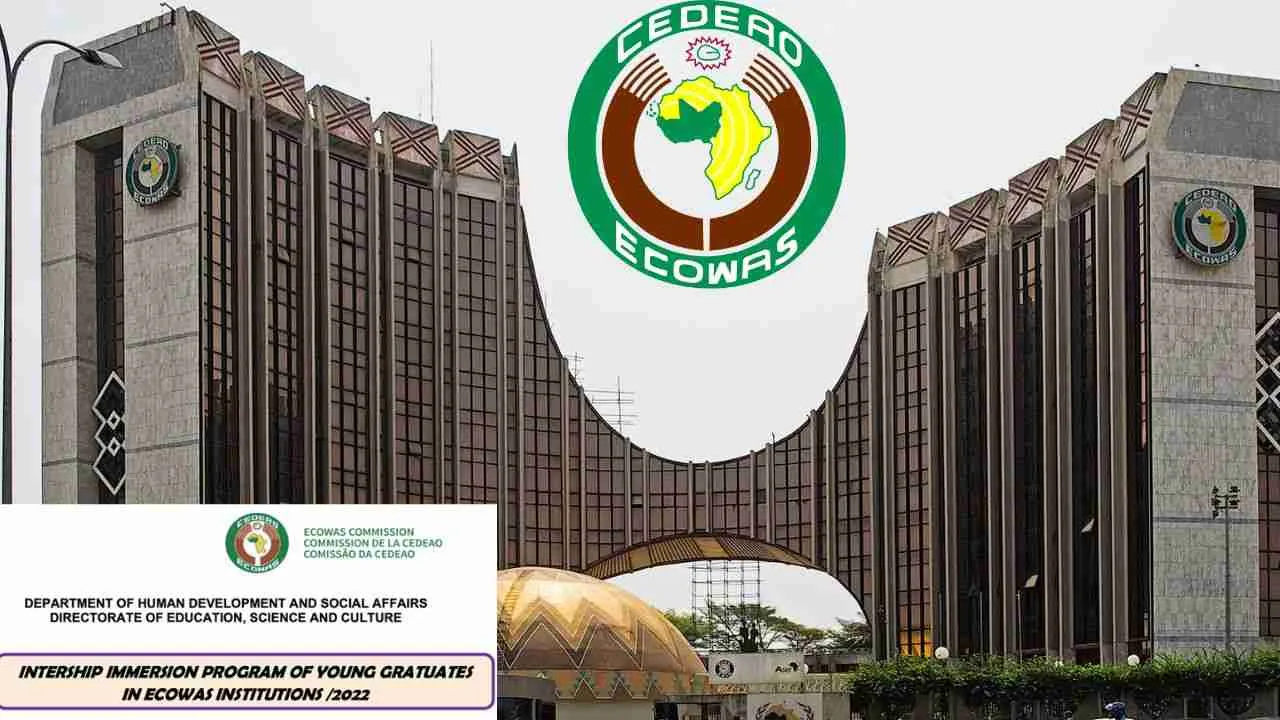
What is ECOWAS?
ECOWAS is a regional organisation for West Africa. Fifteen states established the bloc by signing the Treaty of Lagos on 28 May 1975 in Lagos, Nigeria. Its founding purpose was economic cooperation and integration across the region. The ECOWAS history page records the treaty’s origin and the bloc’s subsequent changes in membership.
The organisation’s work reaches beyond trade. Its member governments cooperate on economic policy, transport, agriculture, health, education, security and the movement and residence of people in the region. The Revised ECOWAS Treaty, adopted in 1993, sets out its institutions and goals. The Authority of Heads of State and Government is the bloc’s highest decision-making body, supported by the Council of Ministers and the ECOWAS Commission.
As of October 2026, ECOWAS lists 12 member states: Benin, Cabo Verde, Côte d’Ivoire, The Gambia, Ghana, Guinea, Guinea-Bissau, Liberia, Nigeria, Senegal, Sierra Leone and Togo. Burkina Faso, Mali and Niger withdrew with effect from 29 January 2025. ECOWAS announced transitional arrangements for movement, trade and official work after their departure; these arrangements matter to people and businesses whose daily lives cross regional borders.
How are the African Union and ECOWAS connected?
The AU recognises ECOWAS as one of eight Regional Economic Communities (RECs). The AU describes these regional groupings as building blocks for wider African economic integration. The other recognised communities cover North, Central, East and Southern Africa, each with its own membership and institutions.
This relationship allows regional and continental work to connect. A trade or infrastructure programme may begin among neighbouring countries through a REC, while the AU works toward continent-wide coordination. The AU’s framework for regional communities gives the two organisations a shared integration purpose, while each keeps its own treaty, governing bodies and responsibilities.
Membership also overlaps. All 12 current ECOWAS states are AU members, but most AU members belong to regional communities other than ECOWAS. ECOWAS membership is therefore a West African subset of the AU’s continental membership.
AU vs ECOWAS: the main differences
| Question | African Union | ECOWAS |
|---|---|---|
| Geographic reach | Across Africa | West Africa |
| Membership | 55 African states | 12 West African states as of October 2026 |
| Established | Launched in 2002; successor to the OAU | Founded in 1975 by the Treaty of Lagos |
| Core framework | Continental cooperation, integration, peace, security and development | Regional economic integration and cooperation, with related policy and security work |
| Relationship | Recognises eight regional communities | One of the AU-recognised regional communities |
The most useful distinction is scale. The AU brings African states together around continent-wide priorities and international representation. ECOWAS works with a smaller group of neighbouring countries on regional integration, including practical rules that affect trade and travel in West Africa.
What happens when a regional bloc faces a crisis?
Political disputes can put the regional and continental levels in view at the same time. For example, the withdrawal of Burkina Faso, Mali and Niger from ECOWAS changed membership in the West African bloc, while all three remain members of the African Union. The two organisations have separate membership rules and institutions, so a state’s ECOWAS status does not determine its AU status.
The withdrawals also show why regional decisions can have direct effects. ECOWAS said citizens of the three departing countries could continue to use ECOWAS passports and identity cards, move visa-free, and access specified trade arrangements during a transition while future relations were discussed. The bloc’s withdrawal statement set out those measures.
READ ALSO: Niger, Mali, Burkina Faso exiting ECOWAS? All you should know
For the AU, regional communities provide a channel for cooperation across sub-regions. ECOWAS can address West African concerns through its own processes, while AU institutions provide a continental forum. These bodies may coordinate on peace and security, development and integration, yet each organisation’s treaty defines its authority and procedures.
Which organisation affects Nigerians more directly?
Both can matter to Nigerians, in different ways. Nigeria participates in the AU’s continent-wide work and in ECOWAS decisions as one of the West African members. ECOWAS rules and programmes are especially relevant to regional movement, trade and cooperation with neighbouring states; AU initiatives address broader continental frameworks and common positions.
For a traveller, trader or student, the specific rule depends on the programme and the countries involved. A regional protocol may govern a West African movement arrangement, while a continental agreement may set a wider target that states implement through national or regional measures. Readers should check the relevant treaty, policy or official notice before relying on a particular benefit or requirement.
READ ALSO: Burkina Faso, Mali, Niger Resume Talks With ECOWAS: 5 Things to Know
African Union and ECOWAS: frequently asked questions
Is ECOWAS part of the African Union?
ECOWAS is a separate regional organisation recognised by the AU as one of its eight Regional Economic Communities. The AU and ECOWAS have different treaties, members and governing institutions.
How many countries belong to the African Union?
The AU has 55 member states. Its membership covers the African continent, while regional communities such as ECOWAS group countries within particular sub-regions.
How many countries are in ECOWAS?
ECOWAS lists 12 member states as of October 2026. Burkina Faso, Mali and Niger withdrew from the bloc on 29 January 2025.
Can a country belong to both the AU and ECOWAS?
Yes. The 12 current ECOWAS members are also members of the AU. ECOWAS membership is regional, while AU membership is continental.
What is the main difference between the AU and ECOWAS?
The AU works at continental scale across Africa; ECOWAS focuses on regional cooperation among West African states. Their overlapping integration goals connect them, while their rules and institutions remain separate.
Last reviewed: 30 October 2026