

8 Africans face US citizenship revocation: What to know about the cases

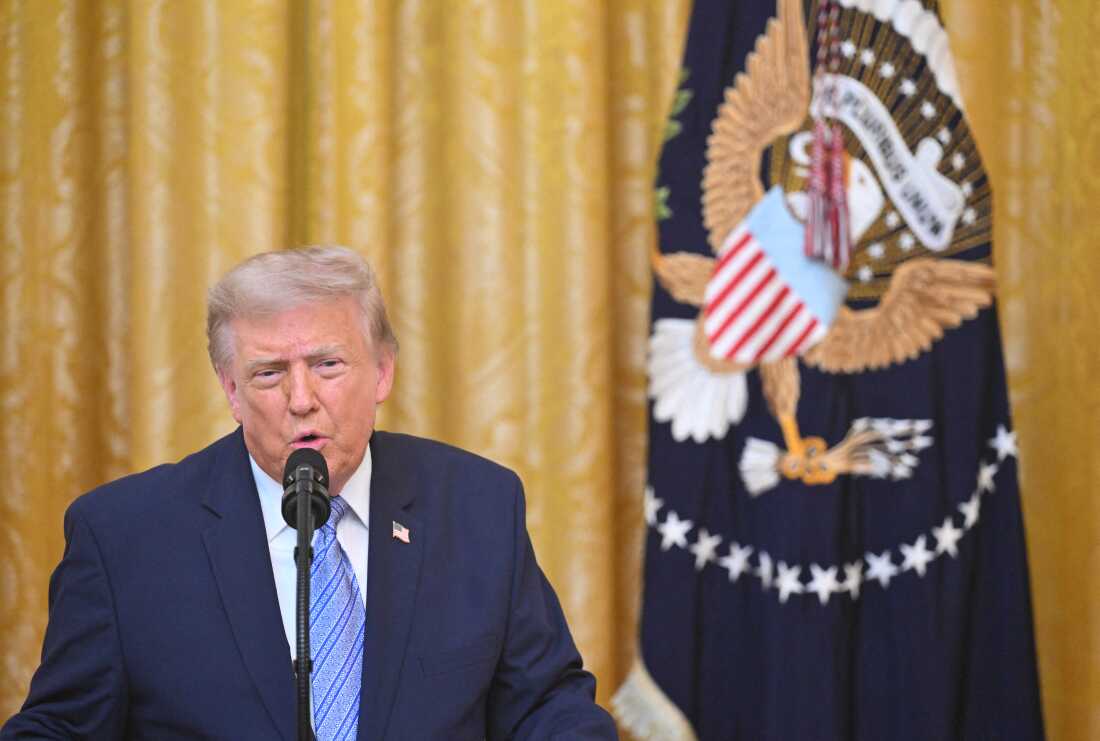
President Trump addresses the nation from the East Room of the White House. Image Credit: Saul Loeb/Pool/AFP via Getty Images
The United States Department of Justice has launched proceedings to revoke the citizenship of 40 naturalised Americans accused of serious offences, including eight people who were born in Africa.
The cases form part of the largest single-period filing of denaturalisation actions under the current US administration, according to the Justice Department.
However, the eight Africans have not automatically lost their citizenship. The Justice Department has filed cases in federal courts seeking to have their naturalisation revoked, and the allegations still have to be determined through the legal process.
8 Africans face US citizenship revocation
The Africans identified in the Justice Department’s list include nationals of Nigeria, Ghana, Kenya, Somalia and other African countries.
Among them is Semiu Olaiye Ijelu, a 58-year-old Nigerian, who is accused of using different identities during his immigration process and failing to disclose a previous removal order during his naturalisation proceedings.
The Justice Department filed Ijelu’s case on October 2 in the Northern District of Georgia.
According to the department, Ijelu had previously sought immigration benefits under two identities and was ordered removed from the US. The government alleges that he instead married a US citizen, used the marriage to obtain permanent residence and later became a US citizen in 2009.
The US government is seeking to revoke his naturalisation on grounds including alleged concealment of material facts and willful misrepresentation during the immigration and naturalisation process.
Ijelu is one of the African-born naturalised citizens caught up in the latest denaturalisation drive.
Why is the US seeking to revoke their citizenship?
The Justice Department says US law allows the government to seek denaturalisation where citizenship was illegally obtained or where the applicant concealed a material fact or deliberately misrepresented information during the naturalisation process.
The department said the 40 people targeted in the latest cases are accused of serious offences or conduct that allegedly affected their eligibility for US citizenship.
The cases include allegations involving immigration fraud, criminal offences, false identities and concealment of information from US authorities.
The government is therefore not simply revoking citizenship because the individuals were convicted of crimes after becoming Americans.
A key issue in the cases is whether the alleged conduct affected their eligibility for naturalisation or involved deception during the process through which they obtained citizenship.
What does denaturalisation mean?
Denaturalisation is the legal process through which the US government seeks to cancel the citizenship of someone who became an American through naturalisation.
It is different from deportation.
A person who was born outside the United States and later became a citizen through naturalisation can only lose that citizenship through the legal process provided by US law.
The Justice Department must therefore take the matter before a federal court.
This means that being named in the latest announcement does not mean a person has already been stripped of citizenship.
The department itself stated that the claims contained in the complaints are allegations and that there has been no determination of liability.
Why the latest cases are significant
The Justice Department described the 40 cases filed between August 21 and October 2 as its largest volume of denaturalisation complaints in a single period under the Trump administration.
The department said the cases involved people accused of offences ranging from acting as an agent for a foreign government to violent and sexual offences.
Attorney General Todd Blanche said the department would continue using denaturalisation proceedings where it believes naturalised citizens obtained their status through deception.
The latest action follows a broader push by the administration to increase the use of denaturalisation proceedings.
Citizenship is not automatically cancelled after the allegations
One of the most important points in the cases is the distinction between being accused and being denaturalised.
The US government has filed complaints. The courts will determine whether the legal requirements for revoking the individuals’ naturalisation have been met.
This means the individuals retain legal avenues to challenge the government’s cases.
US law does allow denaturalisation in certain circumstances, particularly where citizenship was obtained illegally or through concealment of material facts or deliberate misrepresentation.
The process is therefore not an administrative announcement that immediately erases someone’s citizenship.
What happens if citizenship is revoked?
If a court grants the government’s request, the affected person’s naturalised citizenship would be revoked.
Their immigration status would then be affected because they would no longer have the protection and rights attached to US citizenship.
In previous denaturalisation cases, people who lose citizenship can become subject to immigration proceedings depending on their circumstances and their status before naturalisation.
The latest cases therefore have consequences beyond the loss of a passport.
The Nigerian case
For Nigerians following the development, the case involving Ijelu is particularly significant.
The Justice Department’s complaint centres on allegations that he used different identities in earlier immigration proceedings and failed to disclose relevant information when he later applied for citizenship.
The government alleges that these omissions and misrepresentations meant he did not lawfully qualify for naturalisation.
But those remain allegations until the court determines the case.
What to know about the 8 Africans
The latest US action can therefore be reduced to three important points.
First, the US Justice Department has filed denaturalisation cases against 40 naturalised citizens, including eight Africans.
Second, the individuals have not simply been stripped of citizenship by the announcement. The government is asking federal courts to revoke their naturalisation.
Third, the allegations vary from case to case, but the Justice Department says the cases largely involve alleged deception, concealment or conduct that affected the individuals’ eligibility for citizenship.
The development shows the increasing use of denaturalisation proceedings by the US Justice Department, while the cases involving the eight Africans will still have to go through the courts before any final decision on their citizenship is made.