

Canada open work permit rules: Spouses of some Quebec workers can now apply under new eligibility

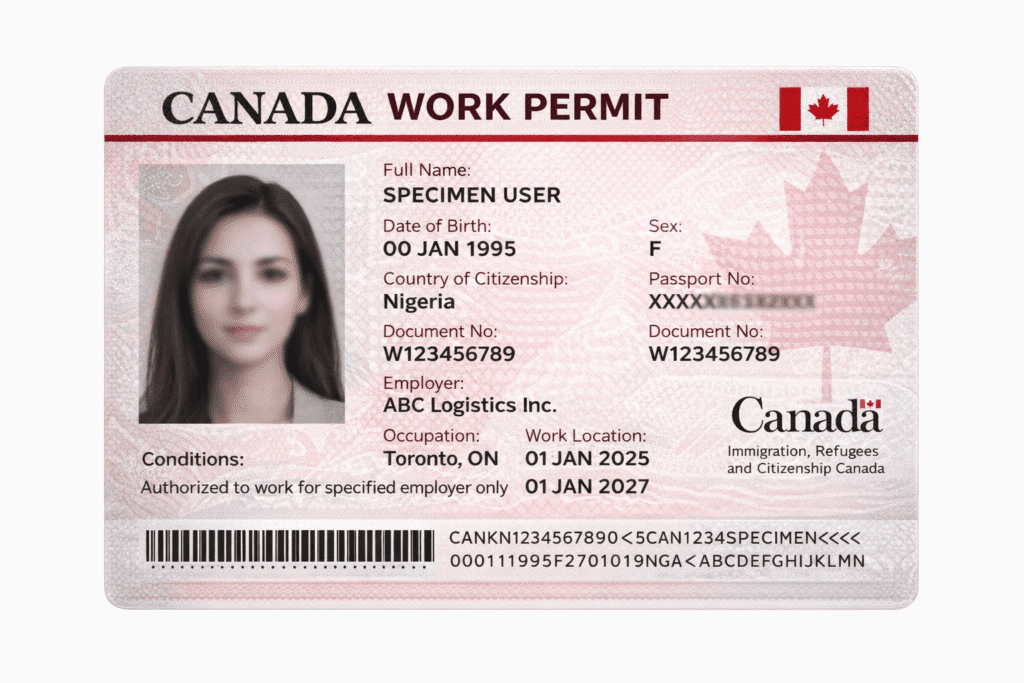
Canada has expanded open work permit eligibility for spouses of some Quebec temporary workers.
Canada has expanded access to open work permits for spouses and common-law partners of certain temporary workers in Quebec, giving more foreign families an opportunity to work while their immigration applications are being processed.
The change affects family members of temporary workers who have applied for permanent selection through Quebec’s Programme de sélection des travailleurs qualifiés, under the province’s skilled worker immigration system.
The updated rules provide a clearer route for eligible spouses and common-law partners to obtain an open work permit rather than being restricted to a single employer.
Who can qualify for Canada’s new spousal open work permit?
Eligibility depends on the immigration pathway of the principal worker, their occupation and the stage of their permanent residence process.
Under the updated rules, some workers employed in occupations classified under Training, Education, Experience and Responsibilities (TEER) categories 0 and 1 may qualify to support an open work permit application for their spouse or common-law partner.
Certain occupations classified under TEER 2 and TEER 3 can also qualify, subject to the specific requirements attached to the worker’s occupation and immigration programme.
This means simply having a temporary job in Canada does not automatically make a spouse eligible.
The principal worker must fall within an eligible category and meet the conditions set by Canada’s immigration authorities.
Quebec skilled workers get a clearer pathway
The Quebec-specific element is one of the most significant parts of the update.
Foreign workers who have obtained a Quebec Selection Certificate (CSQ) and have applied for permanent residence can fall within the updated family open work permit framework.
This can include workers applying for permanent residence through the Quebec skilled worker class and certain other Quebec immigration pathways.
For families waiting for permanent residence decisions, the change could make it easier for the accompanying spouse or partner to enter or remain in Canada’s labour market.
An open work permit is particularly useful because it generally gives the holder greater flexibility to work for eligible employers rather than tying them to one specific employer.
What other Canadian immigration programmes are covered?
Canada’s rules also identify a wider range of economic immigration programmes that can provide a basis for a family member’s open work permit eligibility.
These include the Federal Skilled Worker class, Canadian Experience Class, Provincial Nominee Programme and Atlantic Immigration Programme.
Other programmes identified in the rules include the Agri-Food Pilot and additional economic immigration pathways that meet the applicable conditions.
The exact requirements vary according to the principal applicant’s immigration programme and occupation.
Applicants should also distinguish between being eligible to apply and actually receiving a permit. Meeting the basic relationship and worker requirements does not remove other immigration requirements that may apply to the application.
READ ALSO
Romania Long-Term Residence: 5 Major Benefits Foreigners Get After Approval
Australia Global Special Humanitarian Visa: 5 Benefits Foreigners Get After Moving to the Country
What happens if a spouse does not qualify?
Not every spouse or common-law partner of a temporary foreign worker will qualify for an open work permit.
Canada’s immigration authority notes that family members who do not meet the open work permit requirements may have other immigration options depending on their circumstances.
Someone who does not intend to work in Canada may instead consider a visitor status or study permit where eligible.
The appropriate option depends on factors such as the person’s purpose for coming to Canada, their relationship with the principal applicant and the conditions attached to the principal worker’s status.
Why the Canada rule matters for foreign workers
The change is significant for families who are navigating the gap between temporary employment and permanent residence.
A foreign worker may spend months or years waiting for permanent residence while their spouse also wants to contribute to the household financially or build Canadian work experience.
Allowing eligible spouses and common-law partners to apply for open work permits can reduce some of those restrictions and give families greater flexibility during the immigration process.
For Nigerians and other foreign nationals considering Canada, however, the new provision should not be interpreted as a blanket rule covering every temporary worker.
The worker’s occupation, TEER classification, immigration programme and permanent residence status remain important factors.
Canada visitor visa fee remains separate
The open work permit update does not change Canada’s visitor visa fee.
A Canadian visitor visa currently costs CA$100 per applicant for a single or multiple-entry visa. Families of five or more people applying together at the same time and place may pay a maximum of CA$500.
A visitor visa, however, does not provide the same work rights as an open work permit.
Foreign nationals should apply for the immigration document that matches their intended activities in Canada.
FAQs about Canada’s new open work permit rules
Can spouses of Quebec temporary workers get an open work permit?
Some can. Eligibility depends on the principal worker’s occupation, immigration programme and permanent residence pathway.
Does every temporary worker in Quebec qualify?
No. The updated rules apply to specific categories of workers and their eligible spouses or common-law partners.
What is TEER 0 or TEER 1 in Canada?
TEER is Canada’s system for classifying occupations according to training, education, experience and responsibilities. TEER 0 and 1 generally cover higher-skilled occupations.
Can spouses of TEER 2 and TEER 3 workers qualify?
Some spouses and common-law partners of workers in selected TEER 2 and TEER 3 occupations may qualify, depending on the specific immigration conditions.
Does having a Quebec Selection Certificate guarantee an open work permit for a spouse?
No. A CSQ and permanent residence application can place a worker within an eligible pathway, but the spouse must still meet the applicable open work permit requirements.
Can a spouse work for any employer with an open work permit?
An open work permit generally provides greater employer flexibility than an employer-specific permit, subject to the conditions printed on the permit and Canadian immigration rules.
What if the spouse does not qualify for an open work permit?
Depending on the circumstances, the person may be able to apply for another type of status, such as a visitor document or study permit.
Can Nigerians apply under Canada’s spousal open work permit rules?
Nigerian nationals can potentially benefit if they meet the requirements. Nationality alone does not determine eligibility; the principal worker’s immigration programme, occupation and other conditions are important.
Does an open work permit mean permanent residence is approved?
No. A work permit and permanent residence are separate immigration processes. An eligible spouse may receive work authorization while the family’s permanent residence application is being processed.
Where should applicants check their eligibility?
Applicants should review the latest requirements from Canada’s immigration authority before submitting an application because eligibility conditions can vary according to the worker’s programme and occupation.