

N100bn FCT council queries: What Reps are demanding answers on

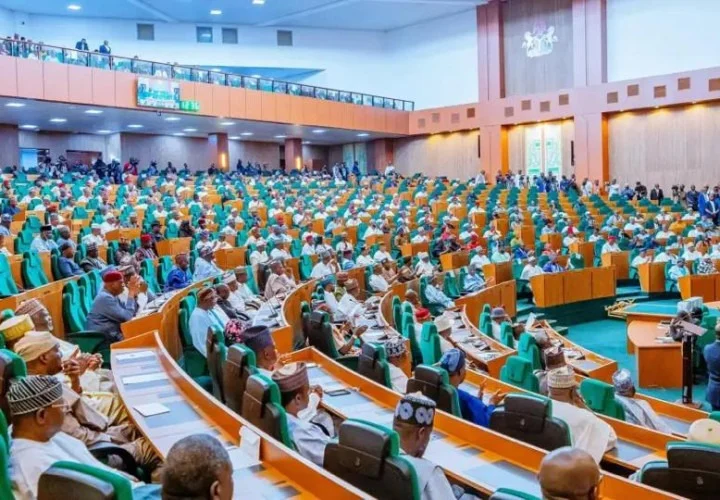
The House of Representatives has issued a final summons to officials of the six area councils in the Federal Capital Territory (FCT) over financial queries involving more than N100 billion.
The summons was issued by the House Committee on Public Accounts after officials of the councils failed to appear before the committee to respond to questions arising from audit reports.
The development has placed the finances of the FCT area councils under renewed scrutiny, with lawmakers seeking explanations for several issues contained in the reports of the Auditor-General of the Federation.
Which FCT councils are affected?
The councils involved are Abuja Municipal Area Council (AMAC), Bwari, Gwagwalada, Kuje, Abaji and Kwali.
The six councils form the administrative structure of the FCT at the grassroots level and receive allocations from the Federation Account.
The House committee is examining their financial records as part of its oversight responsibilities.
According to the report, the councils had previously been summoned to appear before the committee but failed to do so.
The latest invitation has therefore been described as a final summons.
What is behind the N100bn financial queries?
The figure of more than N100 billion covers financial matters being examined by the committee and questions arising from the councils’ accounts and audit reports.
One of the major issues concerns outstanding liabilities amounting to about N7.65 billion.
The lawmakers are seeking explanations from the councils on the nature of these liabilities, how they were incurred and whether they were properly captured in the councils’ financial records.
The committee is also examining expenditure recorded by the councils.
The audit findings reportedly showed that the six councils spent about N24.87 billion in 2021, with the lawmakers demanding clarification on various aspects of the spending.
Gwagwalada faces questions over N336m assets
One of the specific issues highlighted in the audit concerns Gwagwalada Area Council.
The council was queried over assets valued at about N336 million that were reportedly not properly reflected in its asset register.
An asset register is important because it provides an official record of government property and helps authorities track what public institutions own.
The lawmakers want the council to explain the discrepancy and provide the relevant records.
The issue is part of the wider examination of whether public funds and assets were properly accounted for.
Councils also questioned over financial accounts
Beyond the individual audit queries, the committee is also concerned about the councils’ financial reporting.
The councils reportedly failed to submit financial accounts covering the 2023 to 2025 period as required.
Such accounts enable auditors and lawmakers to examine how public revenue was received, spent and recorded.
The absence of updated financial statements can make it more difficult to establish whether government resources were used in line with approved procedures.
The committee is therefore seeking the appearance of officials who can provide the required documents and explanations.
Why the House issued a final summons
The latest summons followed the failure of the councils’ officials to appear when previously invited.
The committee has now given the officials another opportunity to respond to the queries.
The summons covers relevant officials from the six area councils, including those responsible for finance and auditing.
The officials are expected to provide documents and explanations relating to the issues raised by the Auditor-General’s reports.
The committee has warned that failure to comply with the summons could lead to further action under the powers available to the National Assembly.
What happens next?
The latest summons gives the affected officials a final opportunity to appear before the committee and address the outstanding questions.
Their appearance could provide lawmakers with explanations on the liabilities, expenditure, assets and financial accounts under review.
The proceedings could also help determine whether the issues identified in the audit reports resulted from accounting errors, inadequate documentation or other financial management concerns.
For now, the key question is whether the six councils will respond to the final summons and provide the documents and explanations requested by the House committee.
The development comes as lawmakers continue to use public-sector audits as part of efforts to examine how government revenue and assets are managed at the grassroots level.