

7 Reasons Slow Travel Is Taking Over Tourism

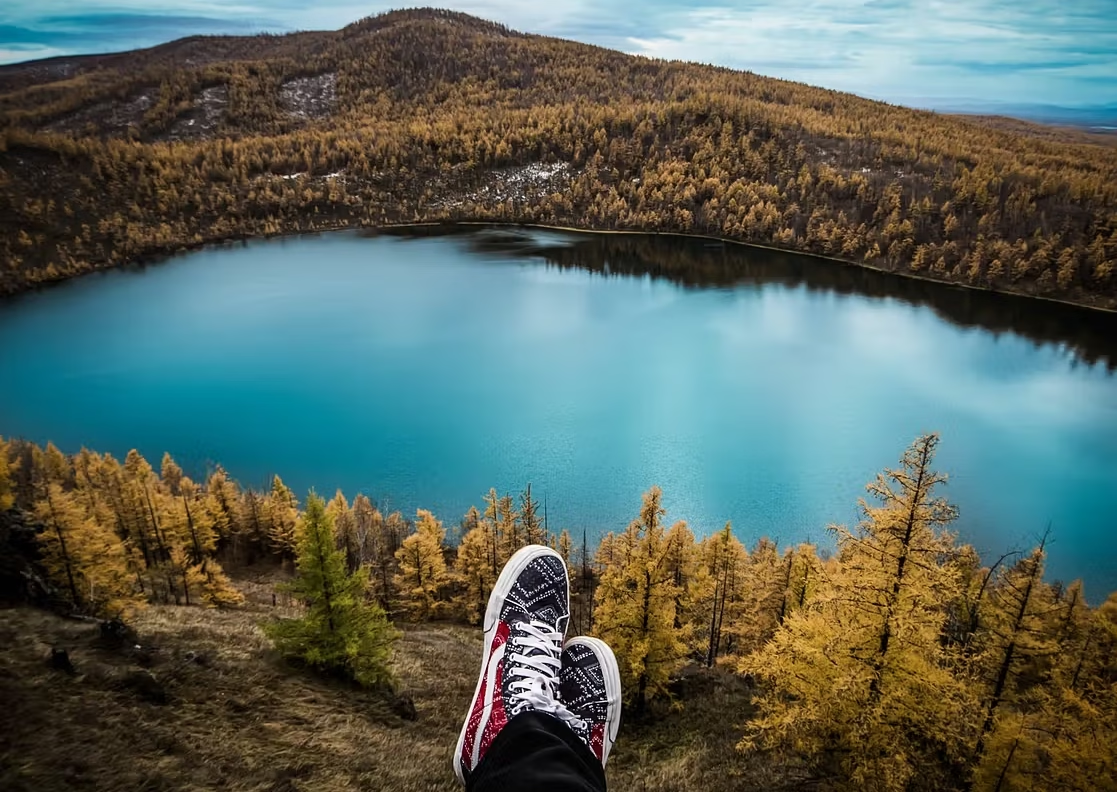
Travellers are choosing slower, more meaningful journeys. CREDIT: We Villas
Travel is changing. Instead of rushing through multiple cities, checking off famous attractions and squeezing as many activities as possible into a short holiday, more travellers are choosing to stay longer, explore slowly and experience destinations more deeply.
This approach, known as slow travel, is gaining attention as tourists look beyond traditional sightseeing and seek holidays that feel less stressful and more meaningful. From spending several days in one town to eating at local restaurants and using public transport, slow travel puts the quality of the experience ahead of the number of destinations visited.
1. Travellers Want Less Stressful Holidays
One of the biggest attractions of slow travel is the opportunity to escape the pressure of a tightly packed itinerary. Fast-paced holidays can involve early mornings, long journeys, constant packing and rushing from one attraction to another.
Slow travel gives tourists more breathing room. Instead of worrying about seeing everything, travellers can leave space in their schedules for rest, spontaneous discoveries and simply enjoying their surroundings.
For people who return from holidays feeling exhausted rather than refreshed, a slower itinerary can offer a different experience.
2. Local Experiences Are Becoming More Important
Modern travellers are increasingly interested in experiencing destinations beyond their most famous tourist attractions.
Slow travel encourages visitors to eat local food, explore neighbourhoods, visit markets and interact with residents. Spending several days in one place also makes it easier to discover restaurants, shops and cultural experiences that may not appear on a conventional tourist itinerary.
This can make a holiday feel more personal and memorable.
3. Travellers Are Spending More Time in Fewer Destinations
Rather than visiting five cities in seven days, slow travellers may choose one or two locations and explore them properly.
Staying longer allows visitors to understand the character of a destination instead of experiencing it only through a few popular landmarks. It also reduces the amount of time spent travelling between hotels, airports, train stations and attractions.
The result can be a holiday that feels less like a race against the clock.
4. Slow Travel Can Support Local Businesses
Spending more time in one destination can create more opportunities to support locally owned businesses.
Travellers may eat at independent restaurants, shop at local markets, stay at smaller accommodation providers and book tours operated by residents. This can help direct tourism spending into the local economy rather than concentrating it solely around major international tourism companies.
For communities that depend heavily on tourism, this type of visitor spending can be particularly valuable.
READ ALSO
10 Wellness Tourism Hotspots Everyone Is Talking About
7 Sustainable Travel Habits That Are Becoming the New Normal
5. Sustainability Is Influencing Travel Choices
Environmental concerns are also contributing to interest in slower forms of tourism.
A traveller who stays in one destination for longer may take fewer flights or long-distance journeys during the trip. Choosing trains, buses, walking or cycling where practical can further reduce the need for frequent transportation.
Slow travel does not automatically make a holiday sustainable, since the environmental impact still depends on factors such as how a traveller reaches the destination and where they stay. However, its emphasis on fewer journeys and longer stays can complement more responsible tourism choices.
6. Food and Culture Become Part of the Journey
Food can be one of the biggest advantages of travelling slowly.
Instead of eating at restaurants chosen purely for convenience between attractions, travellers have more time to discover local dishes, markets, cafés and traditional food businesses.
The same applies to culture. A longer stay can allow tourists to attend local events, visit smaller museums, explore historic neighbourhoods or participate in cultural activities.
These experiences can provide a deeper connection with a destination than simply photographing its most famous landmarks.
7. Travellers Are Prioritising Experiences Over Checklists
For many tourists, the definition of a successful holiday is changing.
A packed itinerary might once have been viewed as a sign that a traveller had made the most of their trip. Slow travel takes a different approach, placing greater value on quality over quantity.
A quiet morning at a local café, an unexpected conversation with a resident or an afternoon exploring a neighbourhood without a strict schedule can become just as memorable as visiting a major tourist attraction.
What Does Slow Travel Mean for the Future of Tourism?
The growing interest in slow travel reflects a broader shift in how people think about holidays. Travellers are increasingly looking for experiences that provide relaxation, cultural connection and meaningful memories rather than simply collecting destinations.
Slow travel is not about refusing to visit popular attractions or travelling as slowly as possible. It is about giving yourself enough time to experience a destination rather than constantly moving on to the next one.
For travellers willing to trade a packed itinerary for a more relaxed journey, slow travel offers a chance to see less but experience more.
FAQ
What is slow travel?
Slow travel is an approach to tourism that focuses on spending more time in fewer destinations rather than trying to visit as many places as possible during a short trip. It places greater emphasis on local experiences, culture, food, people and the journey itself.
Why is it becoming popular?
Slow travel is gaining attention as travellers look for more meaningful experiences and less stressful holidays. Instead of rushing between attractions, travellers can spend more time exploring a destination and experiencing everyday local life.
What are the benefits of slow travel?
Benefits can include less rushed itineraries, deeper cultural experiences, more opportunities to support local businesses and a greater opportunity to connect with the places being visited.
Is it better than fast-paced tourism?
It depends on the traveller. Fast-paced tourism allows people to see several destinations within a limited period, while slow travel prioritises depth over the number of places visited. Travellers who value relaxation and cultural immersion may prefer the slower approach.
Is it more sustainable?
Slow travel can support more sustainable tourism when travellers stay longer, use public transportation, choose locally owned accommodation and spend money with local businesses. However, the environmental impact still depends on factors such as transportation, accommodation and travel distance.
How does slow travel help local communities?
Spending more time in one destination can give travellers more opportunities to use locally owned restaurants, accommodation, markets, tour operators and other businesses. This can help keep tourism spending within the local economy.
Is slow travel more expensive?
Not necessarily. A longer trip may increase accommodation and food costs, but slow travellers can also save money by avoiding constant transportation between destinations. Staying in one location for longer may also make it easier to find affordable accommodation and local dining options.
How can someone start slow travelling?
Start by choosing fewer destinations and giving yourself more time in each one. Instead of planning every hour, leave room for spontaneous activities, local restaurants, neighbourhood walks and conversations with residents.
What is the difference between slow travel and sustainable tourism?
The two concepts overlap but are not identical. Slow travel focuses primarily on the pace and depth of a journey, while sustainable tourism focuses on reducing negative environmental, social and economic impacts. Slow travel can be one way of supporting more sustainable tourism.
Why are travellers interested in local experiences?
Local experiences can provide a more authentic understanding of a destination. Travellers may choose local food, markets, cultural activities, festivals and neighbourhoods instead of visiting only major tourist attractions.
Is it good for mental health?
A slower itinerary can reduce the pressure associated with constantly moving between destinations and trying to see everything. However, the effects of travel on wellbeing vary from person to person.
What are the best destinations for slow travel?
Destinations with strong local cultures, walkable communities, scenic landscapes, regional food traditions and reliable public transportation can work well for slow travel. The best choice depends on the traveller’s interests and budget.
Can slow travel include road trips?
Yes. A road trip can fit the slow-travel concept when travellers spend several days exploring individual locations instead of simply driving through them to reach the next destination.
Can slow travel be done on a short holiday?
Yes. Slow travel does not necessarily require weeks or months. Even during a short break, travellers can choose one destination, reduce the number of planned activities and focus on experiencing the location more deeply.
Why could slow travel become a major tourism trend?
As travellers increasingly look for meaningful experiences, local connections and less rushed holidays, slow travel offers an alternative to itineraries built around seeing as many attractions as possible. Its focus on depth rather than speed could make it an increasingly important part of modern tourism.