

10 Wellness Tourism Hotspots Everyone Is Talking About

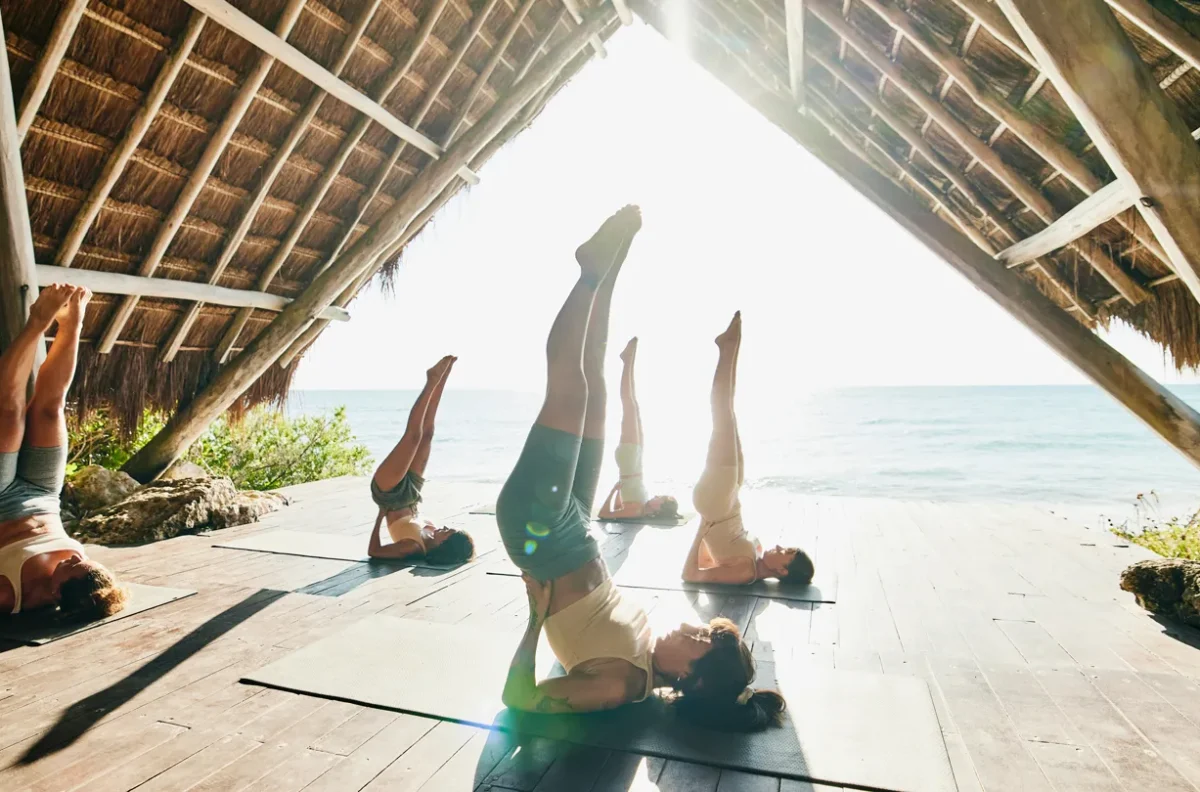
10 wellness tourism hotspots around the world. CREDIT: Thomas Barwick/Getty Images
Travel is increasingly becoming about more than sightseeing, with a growing number of travellers searching for destinations where they can rest, recharge and focus on wellbeing.
From meditation retreats and thermal baths to yoga resorts, nature-based escapes and traditional wellness practices, destinations around the world are developing experiences designed around physical and mental wellbeing.
The global wellness tourism sector has expanded alongside broader interest in healthier lifestyles, preventive wellbeing and experiences that allow travellers to disconnect from busy routines. The trend is also changing the way destinations market themselves, with wellness becoming part of the attraction rather than simply an extra service at a hotel or resort.
Here are 10 destinations attracting attention from travellers looking for a wellness-focused getaway.
1. Bali, Indonesia
Bali has become closely associated with wellness travel, particularly around Ubud and other areas known for yoga, meditation and nature-based experiences.
Visitors can find yoga retreats, spa treatments, meditation sessions and healthy-food experiences alongside Bali’s forests, rice terraces and cultural attractions.
Ubud, in particular, has developed a reputation as a destination for travellers seeking a slower pace and wellness-oriented experiences.
2. Costa Rica
Costa Rica’s combination of rainforests, beaches, hot springs and outdoor activities makes it well suited to nature-based wellness tourism.
Wellness travellers can combine relaxation with activities such as hiking, yoga and other outdoor experiences. Areas around Arenal and the Nicoya Peninsula are particularly associated with nature and wellbeing tourism.
The country’s appeal also comes from its emphasis on outdoor living, allowing travellers to build wellness experiences around the natural environment rather than spending the entire trip indoors.
3. Japan
Japan offers a very different approach to wellness tourism, combining onsen bathing, traditional practices, nature and cultural experiences.
Japanese hot springs, known as onsen, are an important part of the country’s bathing culture. Visitors can also explore forested areas, temples and traditional accommodation while seeking a slower travel experience.
Destinations such as Kyoto and various hot-spring towns offer opportunities for travellers to combine cultural exploration with relaxation.
4. Thailand
Thailand has long attracted international visitors interested in spa treatments, traditional Thai massage, yoga and wellness retreats.
Bangkok, Chiang Mai, Phuket and other destinations offer different versions of the wellness experience, ranging from luxury resorts to retreat centres.
Thailand’s established tourism infrastructure also makes it easier for visitors to combine wellness activities with beaches, food, culture and sightseeing.
5. The Maldives
The Maldives is increasingly associated with luxury wellness travel, with resorts using secluded islands, ocean views and spa facilities to create relaxation-focused experiences.
Wellness programmes may include yoga, meditation, spa treatments and fitness activities, often delivered in highly private surroundings.
For travellers whose idea of wellness involves quiet beaches and minimal distractions, the Maldives offers a distinctive combination of luxury and seclusion.
READ ALSO
7 Sustainable Travel Habits That Are Becoming the New Normal
8 Travel Trends Gen Z and Millennials Are Driving in 2026
6. Portugal
Portugal is gaining attention among travellers interested in combining wellness, nature and European culture.
The Algarve provides beaches and outdoor environments, while other parts of the country offer rural retreats, spas and thermal experiences.
Portugal’s relatively diverse landscape allows wellness trips to range from coastal relaxation to countryside retreats.
7. Switzerland
Switzerland has a long association with health resorts, spas and mountain retreats.
The Swiss Alps provide a natural setting for wellness experiences centred on hiking, fresh mountain environments, relaxation and spa treatments.
Luxury wellness resorts have also helped position parts of the country as destinations for travellers looking for high-end retreats combined with outdoor activities.
8. India
India offers one of the world’s most distinctive wellness tourism experiences through traditions including Ayurveda and yoga.
Kerala is particularly known for Ayurveda-focused retreats, while Rishikesh has become internationally associated with yoga and meditation.
Travellers visiting India for wellness can encounter experiences rooted in longstanding cultural and traditional practices, although visitors should distinguish traditional wellness services from evidence-based medical treatment.
9. New Zealand
New Zealand’s dramatic landscapes create a strong setting for nature-based wellness tourism.
Travellers can combine relaxation with hiking, hot springs, scenic experiences and outdoor recreation. Destinations around Queenstown, Rotorua and other parts of the country offer different approaches to nature and wellbeing.
For travellers who associate wellness with outdoor activity and time away from crowded urban environments, New Zealand offers plenty of options.
10. Iceland
Iceland’s geothermal waters, dramatic landscapes and outdoor bathing culture have helped make the country an increasingly attractive destination for relaxation-focused travel.
Geothermal bathing can be combined with sightseeing, hiking and experiences in Iceland’s distinctive natural environment.
The country’s wellness appeal is particularly strong for travellers who want to combine spa-style relaxation with an adventurous nature holiday.
Why Is Wellness Tourism Becoming More Popular?
The rise of wellness tourism reflects a broader shift in how people think about travel.
Rather than treating holidays solely as opportunities for sightseeing, some travellers are looking for experiences that allow them to slow down, disconnect from everyday routines and prioritise wellbeing.
Wellness travel can take many forms. One traveller may choose a luxury spa resort, while another may prefer a yoga retreat, a hiking holiday, a meditation programme or a nature-focused escape.
The Global Wellness Institute defines wellness tourism as travel associated with the pursuit of maintaining or enhancing personal wellbeing. Its research has identified wellness tourism as one of the major sectors within the wider global wellness economy.
What Makes a Destination a Wellness Tourism Hotspot?
Several factors can contribute to a destination’s wellness appeal.
Nature is one of the biggest attractions. Mountains, beaches, forests, thermal waters and other natural environments can provide the setting for outdoor activities and relaxation.
Access to spas, yoga, meditation, fitness, healthy food and traditional wellness practices can also influence a destination’s reputation.
Culture matters as well. Japan’s bathing traditions and India’s yoga and Ayurveda practices, for instance, give their wellness tourism offerings a cultural dimension that differs from a conventional resort holiday.
The Future of Wellness Tourism
Wellness tourism is increasingly becoming part of mainstream travel rather than a niche category.
Destinations are responding by developing experiences around nature, relaxation, fitness, healthy food, cultural traditions and personal wellbeing.
For travellers, the trend creates more opportunities to design holidays around rest, recovery, movement and meaningful experiences.
The growing variety of wellness destinations also suggests that the future of wellness travel may be less about finding one perfect retreat and more about choosing experiences that fit an individual’s interests, budget and travel style.
FAQ
What is wellness tourism?
Wellness tourism refers to travel associated with activities and experiences intended to maintain or enhance personal wellbeing. It can include spa visits, yoga, meditation, fitness, healthy food, nature experiences and other wellness-focused activities.
Why is wellness tourism becoming popular?
Wellness tourism is benefiting from growing interest in personal wellbeing, healthier lifestyles, stress management and more meaningful travel experiences. Many travellers are looking for holidays that provide relaxation and opportunities to disconnect from everyday routines.
Which country is best for wellness tourism?
There is no single best country for everyone. India is particularly notable for yoga and Ayurveda, Japan for onsen and traditional bathing, Bali for yoga and retreat experiences, while Costa Rica and New Zealand are strong choices for nature-focused wellness travel.
What are the best wellness tourism destinations?
Popular wellness destinations include Bali, Costa Rica, Japan, Thailand, the Maldives, Portugal, Switzerland, India, New Zealand and Iceland. Each offers a different combination of nature, relaxation, cultural traditions, spas or retreat experiences.
What is a wellness retreat?
A wellness retreat is a trip or programme designed around wellbeing activities. Depending on the provider, it may include yoga, meditation, fitness sessions, spa treatments, healthy meals, nature activities or educational programmes.
Is Bali good for wellness tourism?
Yes. Bali, particularly Ubud, is widely associated with yoga, meditation, spa treatments, healthy food and retreat experiences. Its natural and cultural environment also contributes to its appeal.
Is Japan good for wellness tourism?
Japan offers a distinctive wellness experience through onsen bathing, traditional Japanese bathing culture, nature and cultural activities. Hot-spring towns can be particularly appealing to travellers seeking relaxation.
Why is India popular for wellness tourism?
India has longstanding traditions associated with yoga and Ayurveda, making it an important destination for travellers interested in culturally rooted wellness experiences. Rishikesh and Kerala are particularly well known for these offerings.
Is Costa Rica a good wellness destination?
Costa Rica is well suited to nature-based wellness travel because of its combination of beaches, forests, outdoor recreation and hot springs. Travellers can combine relaxation with activities such as hiking and yoga.
Is the Maldives a wellness destination?
Yes. Many Maldivian resorts incorporate spas, yoga, fitness activities and relaxation programmes into their offerings. The islands’ secluded environment makes them particularly attractive for luxury wellness holidays.
What is the difference between wellness tourism and medical tourism?
Wellness tourism generally focuses on maintaining or enhancing wellbeing through activities such as relaxation, fitness, nutrition and mindfulness. Medical tourism involves travelling to receive medical treatment or healthcare services.
Are wellness retreats expensive?
Prices vary considerably. Luxury wellness resorts can be expensive, while independent retreats, yoga programmes and nature-based wellness experiences may offer more affordable alternatives.
What should I look for in a wellness retreat?
Consider the programme’s activities, accommodation, food options, location, qualifications of practitioners where relevant, reviews, cancellation policy and total cost. Be cautious about providers making unrealistic medical or health claims.
Can wellness tourism improve mental health?
A relaxing holiday, physical activity, time in nature and social connection may contribute to wellbeing for some people. However, tourism experiences should not be presented as a replacement for professional mental-health care.
What are the best wellness destinations for nature lovers?
Costa Rica, New Zealand, Iceland and Switzerland are particularly appealing for travellers who want to combine wellness with mountains, forests, geothermal environments, beaches and outdoor activities.
What are the best wellness destinations for yoga?
India and Bali are among the destinations strongly associated with yoga retreats and related wellness experiences. Thailand and Costa Rica also offer numerous yoga-focused travel options.
What are the best destinations for thermal bathing?
Japan and Iceland are particularly well known for geothermal and hot-spring bathing experiences. Switzerland and other European destinations also have established thermal spa traditions.
Is wellness tourism only for wealthy travellers?
No. While luxury wellness resorts attract high-spending travellers, wellness tourism encompasses a much wider range of experiences, including hiking holidays, yoga retreats, nature escapes and simple spa or thermal-bathing trips.
What should I pack for a wellness holiday?
Packing depends on the destination and programme, but comfortable clothing, suitable walking shoes, swimwear where appropriate, personal toiletries and any equipment specifically requested by the retreat are common considerations.
How long should a wellness retreat last?
There is no universal ideal length. Short weekend retreats can provide a brief break, while longer programmes may allow travellers more time to establish routines and explore the destination.
Is wellness tourism the same as a spa holiday?
Not necessarily. A spa holiday can be one form of wellness tourism, but wellness travel can also include yoga, meditation, fitness, nature activities, healthy food, cultural experiences and other wellbeing-focused activities.
What is the future of wellness tourism?
Wellness tourism is expected to remain an important part of the broader travel industry as travellers increasingly seek experiences connected to wellbeing, nature, relaxation, fitness and personal enrichment. The sector is also broadening beyond luxury resorts to include more diverse travel experiences.