

Wike breaks silence: “We are not working with Fubara”

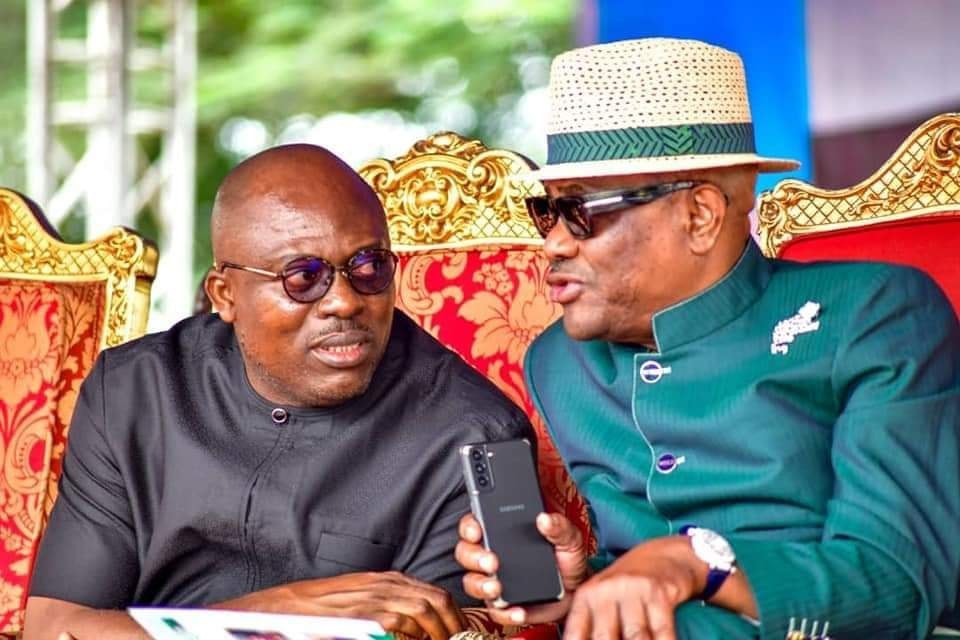
Wike distances coalition from Fubara ahead of 2027
The political crisis in Rivers State has taken a sharper turn as Nyesom Wike publicly distanced himself from Governor Siminalayi Fubara, declaring that he has not endorsed any candidate for the 2027 governorship election and is not aligned with the current administration in the state.
Speaking during a media briefing in Abuja, the Minister of the Federal Capital Territory emphasised that any decision on endorsement would only emerge after consultations within a joint political coalition spanning multiple party loyalists. The development underscores a deepening power struggle that continues to shape Rivers State politics ahead of the next electoral cycle.
Wike Rejects Endorsement Talks Ahead of 2027 Elections
Addressing growing speculation, Wike made it clear that no candidate has his backing at this stage. According to him, endorsement decisions will only follow deliberations by a coalition involving members of the Peoples Democratic Party and the All Progressive Congress.
He described the coalition as a strategic alliance, often referred to as a “rainbow coalition,” built to influence political outcomes in the state. However, he stopped short of revealing specific plans, noting that political strategy requires discretion.
This statement effectively dismisses rumors of early endorsements and signals that the race for 2027 remains wide open.
“We Are Not Working With Fubara” — Wike Declares
In a direct and unequivocal statement, Wike said the coalition is not working with Governor Fubara, highlighting the ongoing breakdown in their political relationship.
The former governor accused Fubara of failing to honor agreements reached during a peace intervention led by President Bola Ahmed Tinubu. According to Wike, the agreement was instrumental in halting an impeachment move against the governor.
He argued that lawmakers withdrew the impeachment process in good faith, only for the governor to allegedly deviate from agreed terms, further straining relations between both camps.
Origins of the Rivers Political Crisis
The rift between Wike and Fubara traces back to the aftermath of the 2023 elections, where Wike played a key role in Fubara’s emergence as governor. However, tensions soon escalated over control of political structures and influence within the state.
The conflict reached a boiling point when lawmakers loyal to Wike, led by Martin Amaewhule, initiated impeachment proceedings against Fubara. The situation created a constitutional and political impasse that drew national attention.
READ ALSO
FCT Minister Nyesom Wike backs APC George-Kelly for Rivers Governorship
Tinubu’s Intervention and Emergency Rule
In March 2025, President Bola Tinubu intervened by suspending Governor Fubara, his deputy Ngozi Odu, and members of the Rivers State House of Assembly, citing the prolonged crisis.
During this period, retired Vice Admiral Ibok-Ete Ibas was appointed as sole administrator to oversee governance in the state. The move was widely seen as an attempt to restore stability and prevent further escalation.
After six months, the emergency rule was lifted following a high-level reconciliation meeting involving Wike, Fubara, lawmakers, and other stakeholders. While this temporarily eased tensions, recent developments suggest that underlying divisions remain unresolved.
Political Implications for Rivers State and 2027 Elections
Wike’s latest remarks carry significant implications for the 2027 governorship race. By distancing himself from Fubara and withholding endorsement, the former governor has:
- Reaffirmed his continued influence in Rivers politics
- Signaled a potential power realignment within the state
- Opened the field for new political contenders
The mention of a cross-party coalition also suggests a broader strategic battle that could reshape party dynamics in Rivers State.
For Fubara, the challenge remains navigating governance while managing political opposition from within his own support base.
What Comes Next in the Wike-Fubara Saga?
With tensions still evident, political observers expect further developments as the 2027 elections approach. Key questions remain around:
- Whether reconciliation efforts will hold
- The strength and direction of Wike’s coalition
- Fubara’s political survival and potential party alignment
For now, the Rivers political landscape remains highly fluid, with both camps positioning themselves for what could become one of the most closely watched governorship contests in Nigeria.
FAQ
Why is Wike not supporting Fubara?
Wike stated clearly that he and his coalition are not working with Fubara, citing disagreements and alleged failure to honor political agreements.
Has Wike endorsed any candidate for 2027?
No. Wike confirmed that he has not endorsed any candidate and will only do so after consultations with his coalition.
What caused the crisis between Wike and Fubara?
The crisis stems from power struggles over political control in Rivers State, despite Wike initially supporting Fubara’s election.
Did Tinubu intervene in the Rivers crisis?
Yes. President Bola Ahmed Tinubu intervened in 2025 by suspending key political actors and imposing temporary emergency rule.
Was Fubara impeached?
No. An impeachment attempt was initiated but later withdrawn after presidential intervention and political negotiations.
What is the “rainbow coalition” mentioned by Wike?
It refers to a cross-party alliance of PDP and APC loyalists working together for political strategy in Rivers State.
Is Fubara planning to contest in 2027?
While not officially confirmed, there are strong indications that Fubara may seek re-election or pursue another political platform.
What does this mean for Rivers State politics?
The situation signals a high-stakes political battle ahead of 2027, with shifting alliances and uncertain outcomes.
Who currently controls Rivers political structure?
Power appears divided between Wike’s loyalists and Fubara’s administration, creating ongoing tension.
Will Wike and Fubara reconcile?
While past reconciliation efforts occurred, current statements suggest that differences remain unresolved, making reconciliation uncertain.