

CNN founder Ted Turner dies at 87: The untold story behind the man who revolutionized 24-hour news

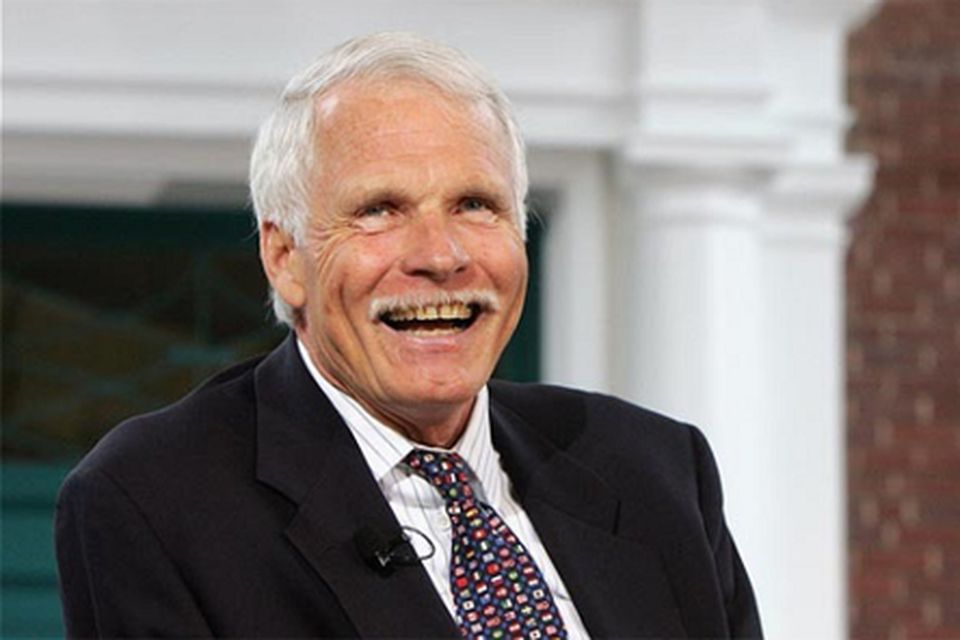
CNN founder Ted Turner dies at 87. Image Credit: AP
The global media industry is mourning the loss of Ted Turner, the visionary entrepreneur who revolutionized television news by launching the world’s first 24-hour news network. Turner died peacefully at the age of 87, surrounded by family, marking the end of an era for modern journalism and broadcasting.
From building a media empire to reshaping how the world consumes news, Turner’s influence remains deeply embedded in today’s global information ecosystem.
Who Was Ted Turner? A Media Pioneer Who Redefined Television
Born in Cincinnati, Ohio, Ted Turner rose from personal tragedy to become one of the most influential figures in media history. He took over his father’s billboard business at just 24 years old before expanding into radio and television.
Turner’s bold vision culminated in the launch of Cable News Network on June 1, 1980, the first 24-hour news channel in history. At a time when news was limited to scheduled bulletins, Turner imagined a world where audiences could access live updates anytime.
That idea was initially dismissed as unrealistic. Critics even mocked CNN as the “Chicken Noodle Network.” But Turner proved them wrong.
How CNN Changed Global News Consumption Forever
The creation of CNN marked a turning point in journalism. For the first time, viewers could watch real-time global events as they unfolded.
CNN’s coverage during major global events, such as the Gulf War, demonstrated the power of continuous news broadcasting. The network’s success inspired competitors like Fox News and reshaped the entire media landscape.
Turner’s innovation didn’t just change television, it redefined how societies stay informed, laying the groundwork for today’s digital and live-streaming news culture.
Beyond CNN: Turner’s Expansive Media Empire
While CNN remains his most iconic achievement, Turner built a vast media empire that included:
- Turner Broadcasting System (TBS)
- Turner Network Television (TNT)
- Cartoon Network
- Turner Classic Movies
He also owned major sports franchises like the Atlanta Braves and Atlanta Hawks, blending entertainment, sports, and news into a powerful business ecosystem.
In 1996, Turner sold his media empire to Time Warner in a deal worth over $7 billion, though he remained a prominent figure in the company for years.
READ ALSO
Philanthropy, Environment, and Global Impact
Beyond business, Turner was widely recognized for his philanthropic and environmental efforts.
He donated $1 billion to the United Nations, one of the largest charitable contributions in history, leading to the creation of the United Nations Foundation.
Turner also championed environmental conservation, becoming one of the largest private landowners in the United States and helping reintroduce bison populations to the American West.
His passion for global peace extended to advocacy for nuclear disarmament and sustainability initiatives.
Health Struggles and Final Years
In 2018, Turner publicly revealed he was battling Lewy body dementia, a progressive neurological condition. Despite health challenges, he remained a respected voice in media and philanthropy.
He was hospitalized briefly in early 2025 due to pneumonia but later recovered before his passing in 2026.
Turner is survived by his children, grandchildren, and great-grandchildren.
Tributes Pour In for a Media Giant
Leaders and media executives worldwide have paid tribute to Turner’s legacy. CNN CEO Mark Thompson described him as “a giant on whose shoulders we stand,” while U.S. President Donald Trump called him “one of the greats of broadcast history.”
These tributes reflect a shared recognition: Turner didn’t just build a network—he transformed global communication.
Ted Turner’s Lasting Legacy in Journalism
Ted Turner’s legacy is defined by bold risk-taking and visionary thinking. His creation of 24-hour news fundamentally altered journalism, influencing everything from cable TV to digital media platforms.
Today’s constant news cycle, live reporting, and global connectivity all trace back to his original idea.
Simply put, modern news would not exist in its current form without Ted Turner.
FAQ
Who was Ted Turner?
Ted Turner was an American media mogul and entrepreneur best known for founding CNN, the world’s first 24-hour news channel, which transformed global journalism.
How did Ted Turner die?
Ted Turner died peacefully at age 87, surrounded by family. While he had been battling Lewy body dementia, no immediate cause of death beyond natural causes was emphasized.
What is Ted Turner famous for?
He is most famous for launching CNN in 1980, pioneering the concept of continuous, real-time news broadcasting.
When was CNN founded?
CNN was founded on June 1, 1980, becoming the first 24-hour cable news network in the world.
What impact did Ted Turner have on media?
Turner revolutionized media by introducing round-the-clock news, influencing how audiences consume information and shaping modern journalism.
Did Ted Turner own other companies?
Yes, he built Turner Broadcasting, which included TBS, TNT, Cartoon Network, and more, before selling it to Time Warner.
What philanthropic work did Ted Turner do?
He donated $1 billion to the United Nations and supported environmental conservation, nuclear disarmament, and global development initiatives.
What illness did Ted Turner have?
Turner was diagnosed with Lewy body dementia in 2018, a progressive brain disorder affecting memory and cognition.
How did CNN change the world?
CNN allowed people to watch live global events as they happened, transforming news from scheduled broadcasts into continuous coverage.
What is Ted Turner’s legacy?
His legacy lies in reshaping global media, advancing philanthropy, and proving that bold ideas can redefine entire industries.