

Court clears Goodluck Jonathan for 2027 Presidential race as Judge dismisses lawsuit and affirms eligibility

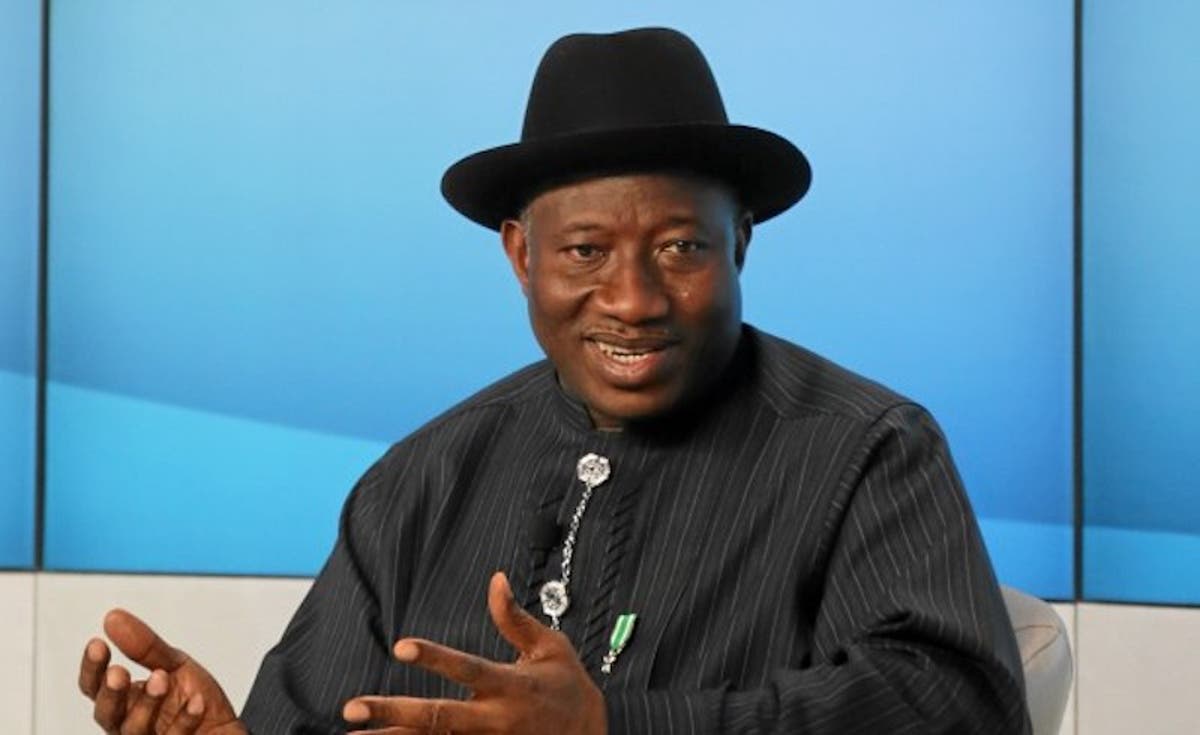
Goodluck Jonathan
A Federal High Court sitting in Abuja has ruled that former Nigerian President Goodluck Jonathan is constitutionally eligible to contest the 2027 presidential election, ending a legal challenge that sought to stop him from returning to the race.
The judgment, delivered by Justice Peter Lifu on Tuesday, dismissed a suit filed by Abuja-based lawyer Johnmary Jideobi, who argued that Jonathan was no longer qualified to seek the presidency after previously taking the oath of office on two occasions.
The court described the suit as “frivolous” and an “abuse of court process,” while also holding that the plaintiff lacked the legal standing required to institute the case.
The decision has reignited political discussions across Nigeria ahead of the 2027 general elections, especially amid growing speculation about Jonathan’s potential return to active presidential politics.
Court Says Previous Appeal Court Decision Already Settled Jonathan’s Eligibility
In his ruling, Justice Lifu stated that the issue of Goodluck Jonathan’s eligibility had already been addressed by the Court of Appeal and that the Federal High Court was bound by the appellate court’s earlier position.
The plaintiff had asked the court to interpret Sections 1 and 137(3) of the 1999 Constitution, arguing that Jonathan’s completion of former President Umaru Musa Yar’Adua’s tenure, followed by his own elected term after the 2011 election, meant he had exhausted the constitutional limit of eight years in office.
However, the court rejected that interpretation and maintained that there was no legal impediment preventing the former president from contesting another election.
Justice Lifu further ruled that the plaintiff failed to show any personal injury or legal interest that would justify the institution of the suit.
Legal analysts say the judgment could become a major constitutional reference point ahead of future presidential eligibility disputes in Nigeria.
READ ALSO
Goodluck Jonathan is back: PDP to screen former President as lone 2027 Presidential Aspirant
Plaintiff Sought to Stop Jonathan and INEC From Participating in 2027 Election Process
The suit, marked FHC/ABJ/CS/2102/2025, sought multiple reliefs against both Goodluck Jonathan and INEC.
The plaintiff requested an order restraining Jonathan from presenting himself to any political party for nomination as a presidential candidate in the 2027 election or any future presidential contest.
He also sought a perpetual injunction preventing the Independent National Electoral Commission (INEC) from accepting or publishing Jonathan’s name as a candidate.
Additionally, the plaintiff asked the court to direct the Attorney-General of the Federation to ensure compliance with the court’s anticipated orders.
In an affidavit supporting the suit, the plaintiff argued that a Jonathan victory in 2027 would amount to a third presidential oath of office and exceed the constitutionally permitted tenure duration.
Court Awards Financial Penalties Against Plaintiff
Beyond dismissing the suit, Justice Lifu also imposed financial penalties against the plaintiff.
The court awarded a ₦20 million fine in favour of Goodluck Jonathan and an additional ₦1 million against the plaintiff in favour of the Attorney-General of the Federation.
The judge also dismissed a separate motion seeking his withdrawal from the case, describing the application as lacking merit.
The ruling is expected to strengthen political conversations surrounding Jonathan’s future, particularly following reports that a faction within the Peoples Democratic Party (PDP) recently offered him a waiver to emerge as the party’s sole presidential candidate.
Although Jonathan has not publicly declared interest in the 2027 election, the latest court ruling may intensify political lobbying and public debate regarding a possible comeback bid.
Political Reactions and 2027 Election Implications
The court’s decision has already generated reactions within Nigeria’s political space, with many observers interpreting it as a significant development ahead of the next election cycle.
Supporters of Goodluck Jonathan argue that the ruling reaffirms constitutional fairness and democratic participation, while critics continue to debate the broader interpretation of presidential tenure limits under Nigerian law.
Political analysts believe the judgment could influence party calculations, coalition talks, and candidate selection strategies as political parties begin preparations for 2027.
The decision also places renewed attention on the role of the judiciary in interpreting constitutional provisions related to presidential tenure and electoral eligibility.
For now, the ruling officially removes one of the biggest legal questions surrounding Jonathan’s potential return to the ballot, even as Nigerians await further political developments from the former president and major political parties.
FAQ
Did the court clear Goodluck Jonathan to contest the 2027 election?
Yes. The Federal High Court in Abuja ruled that Goodluck Jonathan is eligible to contest the 2027 presidential election.
Why was the lawsuit against Goodluck Jonathan dismissed?
The court dismissed the suit because the plaintiff lacked legal standing and because the issue had already been decided by the Court of Appeal.
What was the argument against Jonathan’s eligibility?
The plaintiff argued that Jonathan had already taken the presidential oath twice and would exceed the constitutional limit of eight years in office if elected again.
What did Justice Peter Lifu say in the judgment?
Justice Peter Lifu held that there was no legal impediment preventing Jonathan from contesting the 2027 election and described the suit as an abuse of court process.
Did the court fine the plaintiff?
Yes. The court awarded ₦20 million in favour of Goodluck Jonathan and ₦1 million in favour of the Attorney-General of the Federation against the plaintiff.
Has Goodluck Jonathan declared interest in the 2027 presidential election?
As of now, Jonathan has not officially declared his intention to contest the 2027 presidential election.
Which court delivered the ruling on Jonathan’s eligibility?
The judgment was delivered by the Federal High Court in Abuja.
What role did INEC play in the lawsuit?
The plaintiff asked the court to restrain INEC from accepting or publishing Jonathan’s name as a presidential candidate.
What constitutional provision was referenced in the case?
The suit referenced Sections 1 and 137(3) of the 1999 Constitution of the Federal Republic of Nigeria.
Could Goodluck Jonathan still contest under PDP?
Yes. Following the court ruling, there is currently no legal barrier preventing Jonathan from contesting under the Peoples Democratic Party or any other political party.