

Who was Nana Patekar, the Bollywood actor who died at 75?

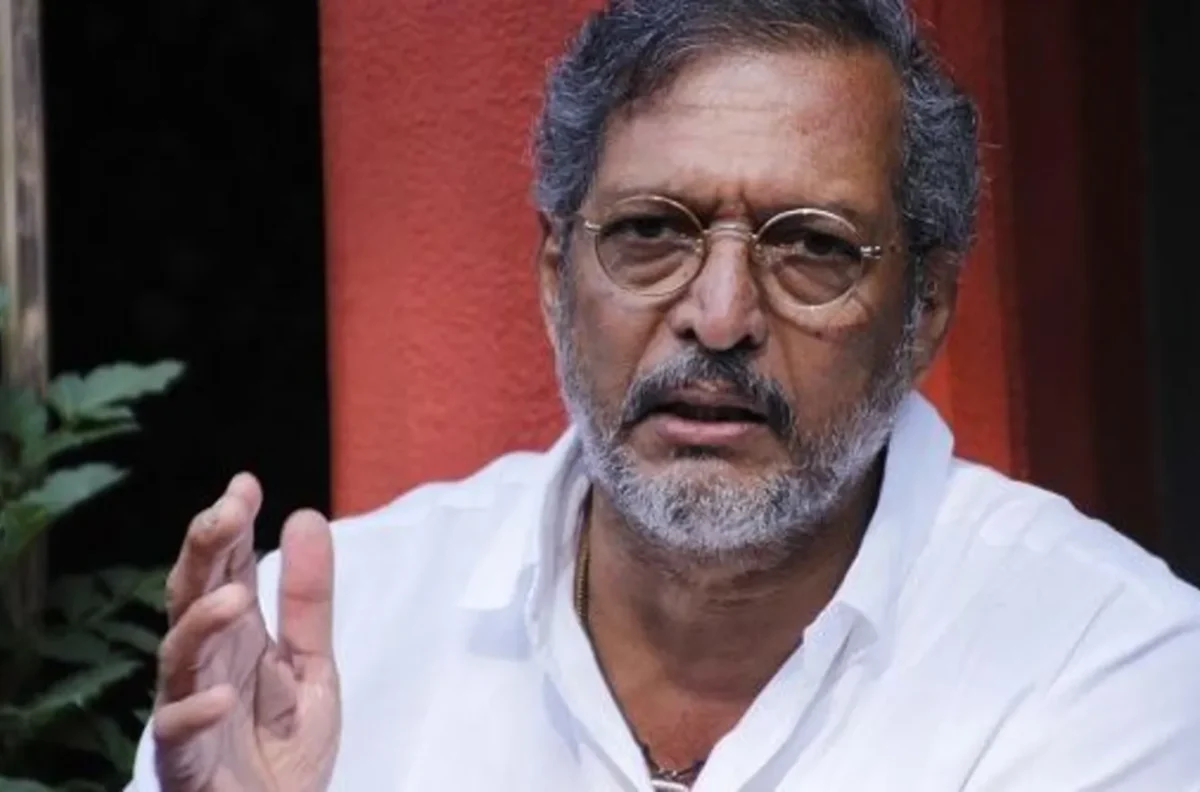
Nana Patekar was more than the intense voice and fiery screen presence that made him one of Bollywood’s most recognisable actors.
For nearly five decades, the Indian actor moved between serious drama, crime films, action, comedy and Marathi cinema. His performances often made complex characters memorable, whether he played a police officer, gangster, troubled man or comic character.
Patekar died on Thursday, October 8, 2026, at the age of 75 after suffering a cardiac arrest at his home in Goa. He was found unconscious and was taken to Manipal Hospital, where efforts to revive him were unsuccessful.
His death brought an end to a career that produced some of Indian cinema’s most distinctive performances.
Nana Patekar started acting on stage
Born Vishwanath Patekar on January 1, 1951, in Maharashtra, Nana Patekar did not begin his career as one of Bollywood’s leading stars.
He studied at Mumbai’s Sir J.J. Institute of Applied Art before becoming involved in theatre. His early work on stage helped shape the acting style that later became his trademark.
Patekar made his film debut in Gaman in 1978. He spent much of the following years appearing in Hindi and Marathi productions before wider recognition came his way.
His early career included films such as Aaj Ki Awaz, Ankush, Pratighaat and Andha Yudh.
He also appeared in Mira Nair’s Salaam Bombay!, the 1988 film that received an Academy Award nomination.
Nana Patekar became known for intense roles
The 1980s and 1990s established Patekar as an actor who could dominate a scene without fitting the traditional Bollywood hero mould.
One of his major breakthroughs came with Parinda in 1989. His performance earned him the National Film Award for Best Supporting Actor and strengthened his reputation as a performer capable of handling difficult characters.
He later delivered another acclaimed performance in Krantiveer, for which he won the National Film Award for Best Actor.
Other notable films included Agni Sakshi, Khamoshi: The Musical, Ab Tak Chhappan, Apaharan and Raajneeti.
His performances often carried a particular intensity. His voice, facial expressions and forceful dialogue delivery became closely associated with his screen identity.
Nana Patekar also showed his comic side
Although Patekar built much of his reputation through serious roles, he later demonstrated that his range extended beyond intense dramas.
One of his most popular commercial roles came in Welcome, where he played Uday Shetty, a gangster whose attempts to arrange his sister’s marriage created much of the film’s comedy.
The character introduced Patekar to another generation of viewers and produced several memorable scenes and dialogues.
He later reprised the role in Welcome Back and appeared in other commercial films, showing that the actor known for dramatic performances could also command a comedy.
His filmography therefore stretched across very different types of characters. He could play a hardened criminal in one film and become a comic favourite in another.
Nana Patekar remained important to Marathi cinema
Patekar’s career was not limited to Bollywood.
He continued to work in Marathi cinema and received particular acclaim for Natsamrat, a 2016 Marathi film in which he played a retired stage actor.
The role connected with his own long relationship with theatre and acting.
He also worked behind the camera. For Prahaar: The Final Attack, he served as director and writer while also appearing in the film.
His work across Hindi and Marathi cinema helped establish him as a performer whose career could not easily be placed in one category.
Nana Patekar won major Indian film honours
Patekar’s career earned him some of India’s biggest acting honours.
He won three National Film Awards, including awards for his performances in Parinda, Krantiveer and Agni Sakshi. He also received Filmfare recognition and other regional honours.
In 2013, the Indian government awarded him the Padma Shri, one of the country’s major civilian honours, for his contribution to the arts.
His awards reflected the range of his work, from intense dramatic performances to roles in mainstream commercial cinema.
Nana Patekar had a difficult childhood
Behind the successful actor was a childhood marked by financial hardship.
Reports about his early life say Patekar began working as a teenager to help his family. He reportedly painted movie posters for about ₹35 a month and walked several kilometres to get to work.
His father later died from a heart attack when Patekar was 28.
Those experiences came long before he became a National Award-winning actor and one of Bollywood’s familiar faces.
Patekar also experienced the loss of his young son, Durvasa, who died at about two and a half years old. He is survived by his son, Malhar.
Nana Patekar kept a connection with rural life
Despite decades in the film industry, Patekar was known for maintaining a relatively simple lifestyle.
He often spoke about his attachment to village life and his preference for staying away from the glamour surrounding Bollywood.
That distance from the industry’s social scene became part of the public image he developed over the years. He continued to divide his time between his professional life and properties outside Mumbai.
His relationship with rural communities also extended into social work. He was associated with the Naam Foundation, which supports farmers and works on issues including water conservation.
Nana Patekar leaves behind a distinctive film legacy
By the time of his death, Nana Patekar had built a career that crossed generations.
Older audiences remembered him for films such as Parinda, Krantiveer and Agni Sakshi. A younger generation also knew him as Uday Shetty from Welcome.
His performances in Ab Tak Chhappan, Natsamrat and other films further demonstrated his ability to move between different characters and genres.
Patekar’s appeal was not built around the conventional image of a Bollywood leading man. Instead, his voice, intensity and ability to inhabit unusual characters became the foundation of his career.
He leaves behind a body of work that spans theatre, Hindi cinema, Marathi cinema, writing and filmmaking.
For an actor who spent almost five decades performing, Nana Patekar’s most enduring achievement may be the number of very different characters he made audiences remember.