

When fear becomes a lifestyle: Living through Nigeria’s insecurity crisis

By Kenechukwu Onah
May 15, 2026, began like any other school day in Oyo State. By evening, however, it had become another tragic chapter in Nigeria’s worsening insecurity crisis.
Armed bandits stormed schools in Orire Local Government Area and abducted at least 39 students and teachers from Baptist Nursery and Primary School in Yawota and Community Grammar School in Esiele. What began as an ordinary day of learning quickly turned into fear.
The tragedy worsened as reports emerged that one teacher was killed during the attack. Another teacher, Mr. Micheal Oyedokun was later reportedly beheaded while in captivity, with a video of the gruesome act circulated by the abductors. Over a month after the incident, many of the abducted pupils are yet to return home. Oyo State Governor Seyi Makinde said efforts were ongoing to secure their release, noting that intelligence reports suggested the victims remained within the Old Oyo National Park.
For many Nigerians, incidents such as the Oyo school abduction are no longer isolated tragedies. They are part of a growing pattern that has transformed everyday life into a constant negotiation with fear and raised troubling questions about public safety.
Recent data suggests the crisis is worsening. According to SBM Intelligence, 4,326 people were killed in violent incidents across Nigeria during the first quarter of 2026 alone, including 947 deaths linked to banditry and 98 attributed to terrorist groups such as Boko Haram. The figure marks a sharp increase from approximately 2,000 violent deaths recorded during the same period in 2025. SBM’s Economics of Kidnap report also documented 4,722 abductions and 762 deaths linked to kidnapping operations in 2025, highlighting the expansion of criminal networks beyond traditional hotspots. Amnesty International similarly warned in April 2026 that mass abductions and attacks by armed groups remain widespread, with civilians continuing to bear the brunt of the crisis.

For many Nigerians, however, statistics merely confirm what they already experience daily: a growing sense of vulnerability and uncertainty. The consequences are perhaps most visible among young people, many of whom now make daily decisions based not on convenience or ambition, but on safety.
Necherem Okechukwu, a student of the University of Nigeria, Nsukka, in an interview, said the rising wave of kidnappings has fundamentally changed how she lives her life.
“I no longer have that confidence of security anywhere. As a student, I can no longer go for night classes because I am afraid of being attacked. Neither do I have the courage to attend night events anymore. If they can kidnap over 50 students in broad daylight, then the night won’t be much of a problem for them.”
The anxiety extends beyond schools. For many residents, insecurity has reshaped movement, social activities, and everyday routines.
According to Mathew Chibuike, a resident of Enugu, the uncertainty surrounding attacks has left many people constantly scared.
“The insecurity has greatly affected people’s movement. We are now living in fear because nobody knows when the next attack will happen or where it will happen.”
Similar concerns are echoed across the country as insecurity increasingly shapes how Nigerians travel, work, and socialise.
On June 7, residents of Magamin Diddi in Zamfara State gathered with hopes of ending a cycle of violence that had disrupted their lives for years. Community leaders had arranged a peace and reconciliation meeting with a notorious bandit leader after prolonged clashes had restricted farming activities and deepened hardship across the area.
According to reports, the bandit leader arrived at the meeting venue with armed men and abducted 39 of the 47 participants, forcing them into the forest. The very people seeking dialogue became the victims.
This is another proof of Nigerians’ painful reality: in some communities, confidence in official security structures has deteriorated so severely that residents increasingly seek alternative means of survival, even when those alternatives carry grave risks.
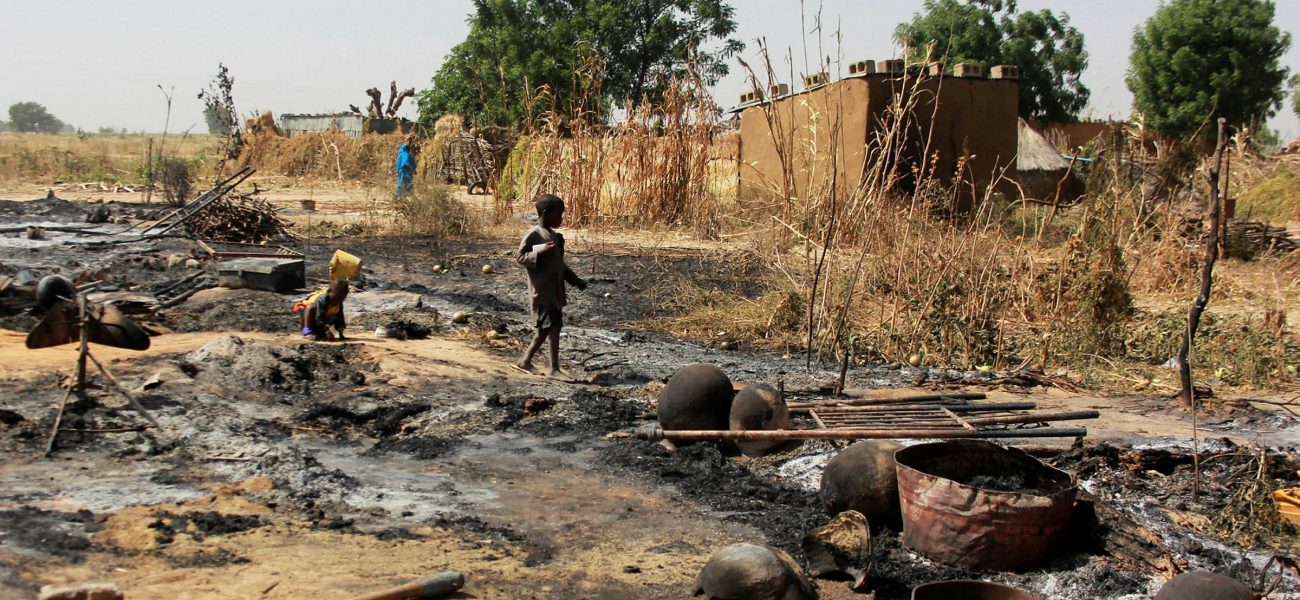
Why loss of confidence one may ask? On June 13, reports indicated that armed men attacked Pissa village in the early hours of the day, killing residents and razing buildings. Residents alleged that warnings had been issued before the attack, yet no preventive action was taken. Reports further indicated that threats had also been made against neighbouring communities.
Chidumaga Obedi is among those who say repeated attacks and what she perceives as inadequate responses from authorities have eroded her confidence in the government’s ability to protect citizens.
“I no longer have confidence in the government to protect me,” she said. “At this point, my trust is in God.”
Her sentiments reflect a frustration increasingly expressed by many Nigerians who feel insecurity continues to spread despite repeated assurances from authorities.
The threat of abduction has also reached individuals who once appeared beyond the reach of criminal gangs.
In late May, retired Major General Rabe Abubakar, a former military spokesperson, and his wife were abducted along the Karaduwa-Matazu Road in Katsina State. Videos later surfaced showing the couple appealing for intervention and negotiations. Reports on June 13 indicated that the retired general had died while still in captivity, the wife was later released by these bandits on the 15th of June.
These incidents demonstrate that insecurity increasingly disregards status, profession, or social standing. Farmers, students, teachers, community leaders, retired military officers, and public figures alike now find themselves vulnerable.
Another troubling development is the growing use of social media by criminal groups. Recent reports indicate that some bandits and terrorists use platforms such as TikTok to display weapons, flaunt wealth allegedly obtained through ransom payments, and mock government efforts. The trend has attracted concern among lawmakers and security officials. In response, the National Counter Terrorism Centre (NCTC) said it has facilitated the deactivation of several accounts linked to terrorist propaganda and criminal activities, while the Senate has urged security agencies to identify and apprehend those using social media to promote violence. For many citizens, however, such content reinforces the perception that criminal groups are operating with increasing boldness.
Minister of Defence Christopher Musa has argued that bandits survive partly because of local support networks that provide food, intelligence, and logistical assistance. Describing such support as the “oxygen” that sustains criminal groups, he has repeatedly urged citizens to cooperate with security agencies by exposing collaborators and providing timely intelligence.

At the same time, some observers argue that the problem extends beyond criminal activity alone.
Speaking on Arise Television’s Perspective, social commentator Achike Chude said many security personnel possess the expertise and willingness to confront criminal groups but are often constrained by inadequate resources, intelligence gaps, and operational challenges. He argued that insecurity persists partly because of insufficient political commitment and support for security agencies, particularly during the critical first hours following a kidnapping.
President Bola Ahmed Tinubu has repeatedly condemned banditry and terrorism while announcing reforms aimed at improving security operations. Yet many Nigerians interviewed for this report said they are still waiting to see a significant improvement in their daily sense of safety.
The incident in Zamfara may be one of the clearest illustrations of Nigeria’s growing crisis of confidence. Faced with persistent insecurity and diminishing faith in state protection, community members sought peace directly with those terrorising them. Instead of finding safety, they became victims themselves.
For the pupils taken from classrooms in Oyo, the farmers displaced from their land, and the families living under the constant threat of abduction, insecurity is no longer a distant headline but a daily reality. For many Nigerians, the question is no longer whether another attack will occur. It is where, when, and who will be next.