

Bridgerton’s Lady Whistledown and the Fate of State-Controlled Media

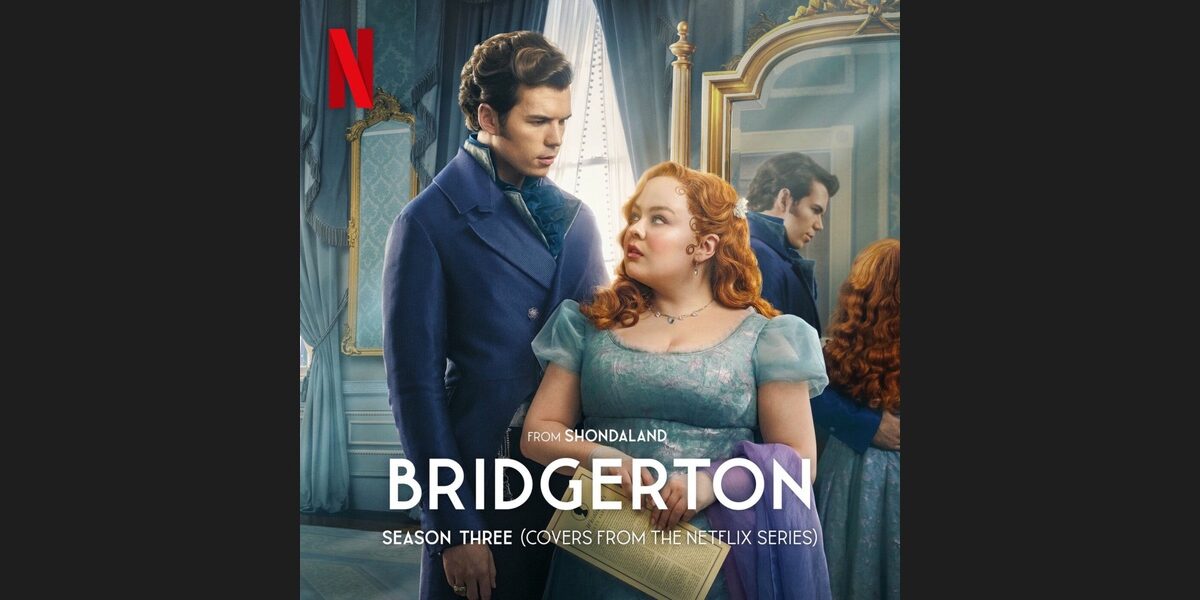
Bridgerton’s Lady Whistledown. Photo Credit: Deezer
By Kenechukwu Onah
Bridgerton, the Netflix romantic drama produced by Shondaland and based on Julia Quinn’s novels, has held audiences spellbound since its debut on December 25, 2020. The story is set in Regency-era London, following the Bridgerton siblings in their search for love. As of March 2026, the series is preparing for its fifth season, with the spinoff Queen Charlotte: A Bridgerton Story already adding depth to the universe.
Among the many captivating parts of the show is one unique character: the mysterious voice of Lady Whistledown.
Lady Whistledown begins as an anonymous gossip journal, secretly written by Penelope Featherington. From the shadows, she observes the ton and publishes sharp commentaries under her pseudonym. Her words quickly become indispensable, stirring conversations across society. The queen, desperate to unmask her because of her striking use of words, offers a reward of $5,000 to anyone who can. Many try but fail — even her closest friend, Eloise Bridgerton, who eventually discovers the truth when she least expects it. Lady Whistledown holds power, influence, and comfort. She is an opinion leader, shaping what the ton whispers about.
Her secret slowly unravels after Eloise discovers the truth, followed by her fiancé, Colin, who learns of her double life, and even Cressida, whose father schemes to force her into marriage. Cressida initially hopes to leverage the anonymous writer to escape her father’s control. Unfortunately, Penelope refuses to allow anyone to take credit for her work. The queen herself believes she is closer than ever to finding her. At last, Penelope surrenders her anonymity. And with that surrender, Lady Whistledown’s power begins to crumble.
Once her identity is known, she can no longer write freely. Every word is watched, every observation judged. Families breathe easier knowing their secrets will not be aired by an anonymous Lady Whistledown. The queen is satisfied that the threat has been contained and that she can now dictate the type of gossip that circulates. She glories in her victory. And Penelope, once fearless behind her mask, finds herself silenced. The journal loses its sting, its independence, its force.
This fall mirrors the predicament of modern media. Information is power, and governments everywhere seek to control it. When the press is bound to authority, fear replaces freedom. The media ceases to function as the “fourth estate” and becomes instead a tool of manipulation. When Penelope’s identity is revealed, even when she cloaks her gossip in allegory, people still point accusing fingers at her and threaten consequences if she does not rewrite her words. Unnecessary favors come her way, offered only so she will write in someone’s favor.
Lady Whistledown’s story reminds us that the strength of the press lies in its independence. Just as her anonymity allowed her to speak truth to society, so too does freedom allow media to speak truth to power. Controlled narratives may comfort rulers, but they rob citizens of truth.
Lady Whistledown lost her sting when her mask was removed. Likewise, the press loses its power when shackled by authority. Only in freedom can truth truly speak.