

8 Healthy Convenience Foods Taking Over Grocery Lists

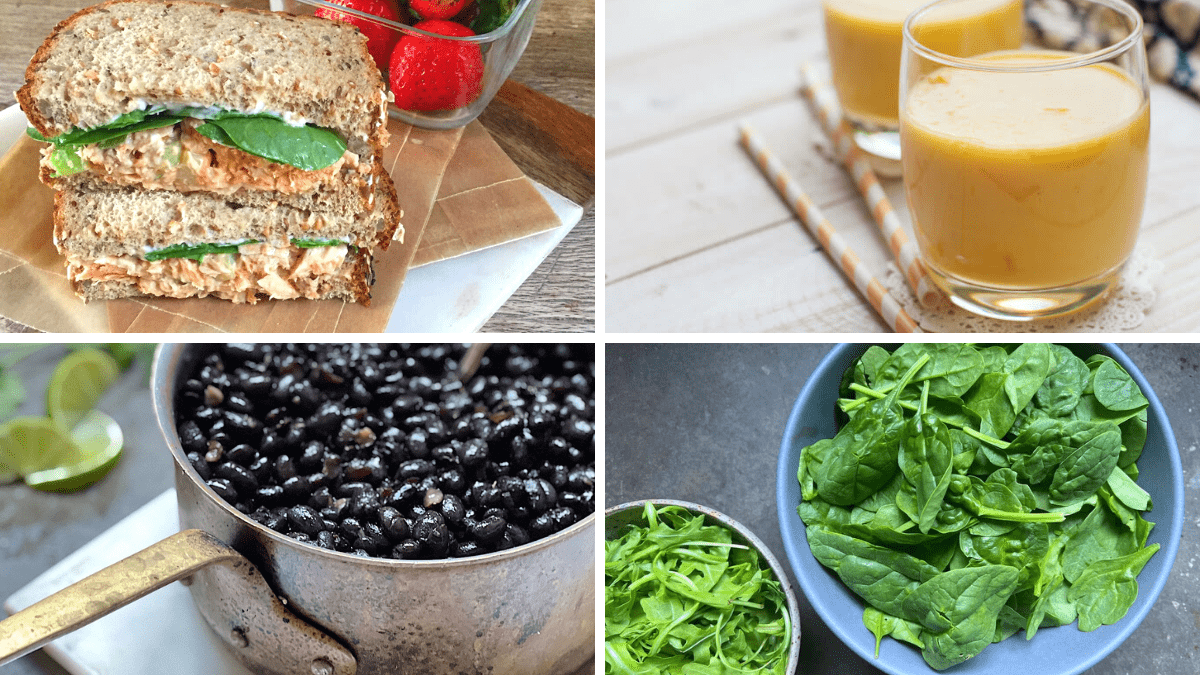
8 healthy convenience foods making busy eating easier
Convenience food is getting a healthier makeover as busy consumers look for meals and snacks that save time without completely sacrificing nutritional value.
From Greek yogurt and frozen vegetables to canned beans, whole-grain pouches and ready-to-eat protein options, a growing range of foods now offers a middle ground between cooking from scratch and relying on heavily processed meals.
The shift reflects a wider change in eating habits. Convenience foods have long been associated with quick preparation, but consumers are increasingly paying attention to protein, fibre, vegetables, whole grains, sugar and sodium when choosing what goes into their shopping baskets.
Recent consumer research and food-industry reporting show that demand for convenient foods remains strong, while healthier formulations and nutrient-focused options are becoming more important. (Austrade Inc.)
Here are eight healthy convenience foods receiving growing attention.
1. Greek Yogurt Is Becoming a Popular Protein-Rich Convenience Food
Greek yogurt has become a convenient option for breakfast, snacks and quick meals because it requires little preparation and can be paired with fruit, oats, nuts or seeds.
Harvard Health notes that a three-quarter-cup serving of Greek yogurt can provide about 17 grams of protein, making it a practical protein source. (Harvard Health)
Consumers should still check the nutrition label. Some flavored yogurts contain substantial amounts of added sugar, while plain or lower-sugar varieties allow people to control what they add themselves. (The Nutrition Source)
2. Frozen Vegetables Make Healthy Meals Easier
Frozen vegetables are increasingly useful for people who want to add vegetables to meals without washing, chopping and preparing fresh produce every time.
Broccoli, peas, spinach, mixed vegetables, carrots and green beans can be cooked within minutes and added to rice, pasta, soups, eggs or other dishes.
Freezing itself does not destroy nutrients, according to the U.S. Department of Agriculture’s Food Safety and Inspection Service. Properly frozen foods can retain nutritional quality during storage. (Food Safety and Inspection Service)
Plain frozen vegetables are particularly versatile because they can be combined with other ingredients to create a more complete meal.
3. Canned Beans and Chickpeas Offer Quick Fibre and Protein
Canned beans and chickpeas have become an important shortcut for meals that would otherwise require lengthy soaking and cooking.
Chickpeas, black beans, kidney beans and other legumes can be added to salads, soups, wraps, rice dishes and stews with very little preparation.
Harvard’s Nutrition Source describes chickpeas as a useful source of nutrients and notes that canned chickpeas can be used without additional cooking. Draining and rinsing canned chickpeas can also remove roughly 40% of their sodium. (The Nutrition Source)
When shopping, consumers can look for low-sodium or no-salt-added varieties and check the nutrition label.
4. Ready-to-Eat Fish and Seafood Are Gaining Attention
Convenient fish products, including tuna or salmon packets and canned seafood, can provide a quick source of protein without requiring extensive preparation.
These products can be combined with whole-grain bread, rice, vegetables or salads to create a quick meal.
The key consideration is the nutrition label. Some packaged seafood products can contain considerable sodium, so comparing products can help consumers find options that fit their dietary needs.
READ ALSO
9 Global Food Trends Changing How People Eat This Year
10 High-Protein Foods Replacing Traditional Snacks in 2026
5. Microwavable Whole Grains Are Making Quick Meals Simpler
Pre-cooked grains are another convenience food gaining attention among people who want meals ready in minutes.
Brown rice, quinoa, barley and other whole-grain blends can serve as a base for vegetables, beans, fish, chicken or other proteins.
Pre-cooked whole-grain products reduce cooking time while still allowing consumers to build a meal around a nutrient-dense carbohydrate source. Duke Health has previously highlighted pre-cooked whole-grain pouches as practical healthy convenience foods. (DHW Blog)
Consumers should check labels for sodium and choose products that fit their nutritional needs.
6. Hummus Is Becoming a Convenient Snack and Meal Addition
Hummus has moved beyond being simply a dip. Its combination of chickpeas, tahini and other ingredients makes it a versatile addition to quick meals and snacks.
It can be paired with vegetables, whole-grain crackers or bread, or used as a spread in wraps and sandwiches.
Because hummus products can differ considerably in sodium, oil and other ingredients, checking the label is useful when comparing options.
7. Ready-Made Salads Are Helping Consumers Add More Vegetables
Pre-washed and prepared salad mixes remove some of the work involved in preparing vegetables, making them attractive to people with limited time.
A bagged salad can become a more substantial meal when combined with a protein source such as beans, eggs, fish, chicken or tofu and a suitable dressing.
The convenience comes with an important reminder: prepared salads are not automatically healthier than other foods. Dressings, toppings and processed additions can significantly change the nutritional profile, so checking the ingredients and nutrition information remains important.
8. Convenient Lentil and Vegetable Soups Are Finding a Place in Busy Kitchens
Ready-made soups containing lentils, beans and vegetables can provide a quick meal option when there is little time for cooking.
Lentils and beans contribute fibre and plant protein, while vegetables can add vitamins, minerals and other nutrients.
Not every packaged soup has the same nutritional profile. Some can be high in sodium, making the nutrition label an important part of the buying decision.
Adding extra vegetables, beans or another protein source can also make a simple soup more substantial.
Why Are Healthy Convenience Foods Becoming More Popular?
The growing interest in healthier convenience foods is closely linked to changing lifestyles.
Urbanisation, busy work schedules and time pressures have contributed to greater demand for foods that reduce preparation time. Research on convenience-food consumption identifies time savings, nutritional quality, health concerns, taste and environmental considerations among factors influencing consumer choices. (Nature)
Food-industry reporting also suggests that frozen, canned, ready-to-eat and ready-to-cook products remain important parts of the convenience-food market, with manufacturers increasingly developing products aimed at health-conscious consumers. (Tilley Distribution)
The result is a growing category of foods that sit between traditional home cooking and highly processed fast-food options.
Are Convenience Foods Always Unhealthy?
No. The term “convenience food” describes how a food is prepared, packaged or sold rather than automatically determining whether it is nutritious.
Frozen vegetables, canned beans, plain Greek yogurt and pre-cooked whole grains can all be convenient while contributing useful nutrients to a balanced diet.
At the same time, some convenience foods can be high in sodium, added sugar or saturated fat. The best approach is to look beyond the front of the package and check the ingredient list and nutrition information.
How to Choose Healthier Convenience Foods
A useful shopping strategy is to look for foods that provide a combination of protein, fibre, vegetables, fruits or whole grains, depending on what is needed for the meal.
For packaged products, compare sodium and added sugar levels and consider products with simpler ingredient lists when appropriate.
Convenience also does not have to mean eating a complete ready-made meal. Combining two or three convenient ingredients can produce a balanced meal quickly. A person might pair canned beans with frozen vegetables and microwavable brown rice, or combine Greek yogurt with fruit, oats and nuts.
This approach can make healthy eating more practical without requiring every meal to be prepared completely from scratch.
FAQ
What are healthy convenience foods?
Healthy convenience foods are foods that require little preparation while still providing useful nutrients. Examples include frozen vegetables, canned beans, Greek yogurt, whole-grain pouches, hummus and some ready-made soups.
Are convenience foods healthy?
Some are and some are not. Convenience describes how easily a food can be prepared, not its nutritional quality. Consumers should check ingredients, sodium, added sugar, protein, fibre and other nutrition information when choosing packaged foods.
What are the healthiest convenience foods?
There is no single healthiest convenience food for everyone. Options such as plain Greek yogurt, frozen vegetables, canned beans, chickpeas, whole grains and minimally processed seafood can provide useful nutrients with little preparation.
Are frozen vegetables as healthy as fresh vegetables?
Frozen vegetables can be a nutritious alternative to fresh vegetables. The USDA says freezing itself does not destroy nutrients, while freezing foods at appropriate temperatures helps preserve nutritional quality. (Food Safety and Inspection Service)
Are canned beans healthy?
Canned beans can be a convenient source of fibre and plant protein. Choosing low-sodium or no-salt-added varieties can help reduce sodium intake. Draining and rinsing canned beans can also reduce their sodium content. (The Nutrition Source)
Is Greek yogurt healthy?
Greek yogurt can be a convenient source of protein and other nutrients. However, flavored varieties may contain significant amounts of added sugar, so comparing labels and choosing lower-sugar options can be useful. (Harvard Health)
What are healthy convenience foods for breakfast?
Greek yogurt with fruit and oats, overnight oats prepared in advance, whole-grain toast with a protein-rich topping, and convenient whole-grain cereals with minimal added sugar can all work as quick breakfast options.
What are healthy convenience foods for lunch?
Prepared salads, canned beans, tuna or salmon packets, microwavable whole grains and hummus can be combined into quick lunches with minimal cooking.
What healthy convenience foods are high in protein?
Greek yogurt, cottage cheese, canned fish, eggs, beans, chickpeas and some minimally processed ready-to-eat protein foods can contribute protein to meals and snacks. (Harvard Health)
What healthy convenience foods are high in fibre?
Beans, chickpeas, lentils, whole grains, vegetables, fruits, nuts and seeds are useful sources of dietary fibre. Convenient versions such as canned beans, frozen vegetables and pre-cooked whole grains can reduce preparation time.
How can I choose healthier packaged foods?
Start by checking the Nutrition Facts panel and ingredient list. Compare sodium, added sugar, saturated fat, fibre and protein between similar products. Portion size also matters when interpreting nutrition information.
Are microwavable meals healthy?
Some microwavable meals can fit into a balanced diet, but nutritional quality varies widely. Look for meals that contain vegetables, a protein source and whole grains where appropriate, while comparing sodium and added sugar levels.
Can healthy convenience foods replace home cooking?
They can make up part of a balanced eating pattern, particularly when time is limited. Combining convenient foods with fresh or frozen vegetables, fruits, whole grains and protein sources can create meals without requiring extensive cooking.
Are ready-made salads healthy?
Ready-made salads can be a convenient way to eat more vegetables, but their nutritional quality depends on the ingredients, toppings and dressing. Checking the label and choosing suitable additions can make them part of a balanced meal.
Why are healthy convenience foods becoming more popular?
Busy schedules, urbanisation and increasing time pressure are contributing to demand for foods that reduce preparation time. Consumers are also showing greater interest in the nutritional quality of convenient foods.
What should I look for in a healthy convenience food?
Look for foods that contribute useful nutrients such as protein, fibre, vegetables, fruits or whole grains, while keeping an eye on sodium and added sugar. The right choice depends on the rest of the meal and individual nutritional needs.