

US moves to end Military aid to Kurdish Peshmerga: What the Pentagon’s decision could mean for Iraq’s security

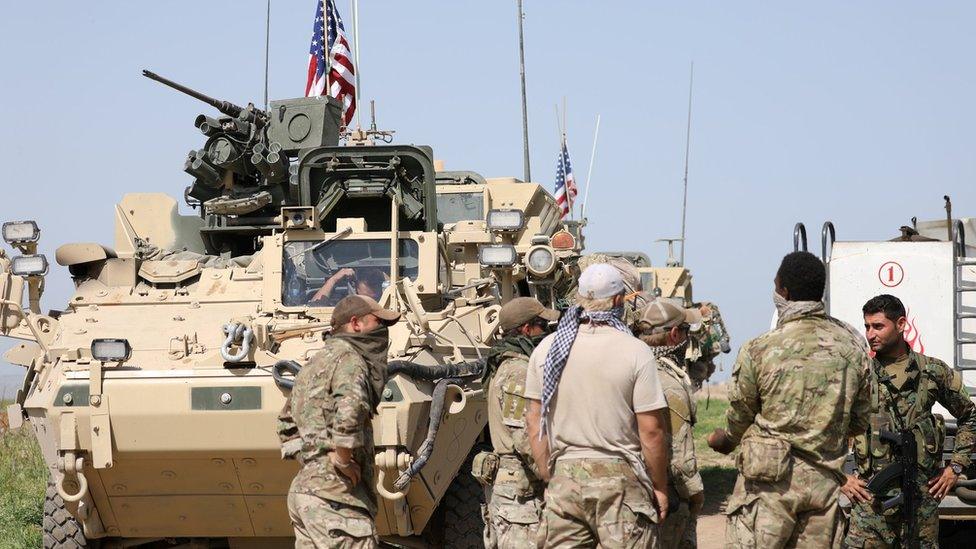
US military aid cutoff raises uncertainty for Kurdish Peshmerga forces
The United States is preparing to end a major military aid arrangement for Kurdish Peshmerga forces, a move that could reshape Washington’s long-standing military relationship with Iraq’s semi-autonomous Kurdistan Region.
According to reports, the US Department of Defense has informed Kurdish leaders that it does not intend to renew an expiring memorandum of understanding that has provided security assistance, counter-terrorism support and institutional reform backing for the Peshmerga.
The decision could bring an end to decades of direct US military support for Kurdish forces that played a major role alongside American and coalition troops during campaigns against militant groups. As the current agreement approaches its expiration date, officials and security analysts are increasingly focused on what the loss of American assistance could mean for regional stability.
Pentagon Signals End of US Military Aid for Kurdish Peshmerga
The security assistance agreement was part of a four-year framework signed in 2022. Its purpose was to strengthen Kurdish regional defence capabilities while supporting reforms within the Peshmerga security structure.
Under the existing arrangement, the United States provided assistance connected to counter-terrorism operations and institutional development. Pentagon budget projections for the upcoming fiscal cycle reportedly indicate a gradual reduction in funding, with major counter-terrorism packages expected to give way to more limited medical and logistical support.
The reported decision not to renew the memorandum would mark a significant change in the US-Kurdish security relationship. The Peshmerga have been among Washington’s most important regional partners in Iraq, particularly during military operations against extremist groups.
The source material describes the planned cutoff as part of a broader shift in US foreign and military policy.
Why Is the United States Ending Security Assistance to the Peshmerga?
The immediate reason for the change is the expiration of the four-year memorandum of understanding signed in 2022. US officials have reportedly indicated that the framework will not be renewed once it reaches its deadline.
The broader context involves a reassessment of American overseas military commitments. The Trump administration has been moving toward reducing involvement in overseas security and stabilisation missions, according to the report.
Victoria Taylor, a former US Deputy Assistant Secretary of State for Iraq and Iran and director of the Iraq Initiative at the Atlantic Council’s Middle East programme, linked the development to the expiration of the existing Peshmerga reform agreement and a wider recalibration of international assistance.
The shift could mean that Kurdish authorities will need to seek alternative arrangements to maintain security capabilities that have benefited from direct American financial and institutional support.
What the US Military Aid Cut Could Mean for Iraq and Regional Security
Authorities in Erbil have reportedly expressed concern that the loss of direct US security assistance could create new vulnerabilities.
Iraqi Kurdistan continues to face a complex security environment, including cross-border drone and missile incidents involving neighbouring adversaries and aligned militias. Regional officials fear that a reduction in military support could weaken defensive readiness at a time when wider coalition forces are also reducing their presence at Iraqi bases.
The potential loss of support is particularly significant because Kurdish forces have spent years developing counter-terrorism capabilities alongside international partners.
A senior regional security official quoted in the source material said international coalition partners continue to provide planning and assistance but warned that the withdrawal of direct support creates substantial uncertainty.
The biggest concern is whether the Kurdistan Region can maintain its existing security infrastructure without the same level of international financial and institutional backing.
READ ALSO
US threatens to rethink Falklands support over UK defence spending: What the new ultimatum means
Peshmerga Support and the Risk of a New Security Vacuum
The Peshmerga played a central role in coalition efforts against militant insurgencies and became a key component of the broader security strategy in northern Iraq.
Ending direct American assistance could create pressure on Kurdish security institutions to become more financially and operationally independent. That transition may prove difficult if political divisions within the Kurdistan Region continue to affect efforts to unify security structures.
Security analysts cited in the report have warned that internal fragmentation could undermine defensive readiness, particularly without sustained financial backing from major international partners.
The approaching expiration of the agreement has increased diplomatic activity as Kurdish leaders and international stakeholders explore whether another framework could prevent a complete breakdown in security cooperation.
Will European Allies Continue Supporting Kurdish Peshmerga Forces?
The US decision does not necessarily mean all international assistance to the Peshmerga will disappear.
European countries participating in multinational advisory programmes are continuing to assess their own long-term relationships with Kurdish security forces. International partners have emphasised the importance of institutional reforms, security force unification and improved governance transparency.
However, European assistance may not fully replace the scale or strategic importance of direct American support.
The future of the Peshmerga’s international partnerships could depend heavily on whether Kurdish political and military institutions can demonstrate progress toward greater coordination and self-sufficiency.
A Major Turning Point for US Military Policy in the Middle East
The potential end of the memorandum represents more than a funding decision. It could signal a deeper shift in how Washington approaches long-term military partnerships in the Middle East.
For decades, Kurdish Peshmerga forces have worked closely with the United States on regional security and counter-terrorism efforts. The end of direct assistance would force both sides to redefine that relationship.
With the agreement approaching its expiration date, the key question is whether a replacement security framework can be negotiated or whether the US withdrawal from direct support will become permanent.
For Kurdish authorities, the stakes are high. The decision could affect military readiness, counter-terrorism cooperation and the broader balance of security in a region that continues to face pressure from armed groups and geopolitical tensions.
FAQ: US Military Aid to Kurdish Peshmerga Forces
Why is the US ending military aid to Kurdish Peshmerga forces?
According to reports, the decision is connected to the expiration of a four-year memorandum of understanding signed in 2022. The US Department of Defense has reportedly informed Kurdish leaders that it does not intend to renew the agreement when it expires.
The broader policy shift also reflects a reassessment of US overseas military commitments and efforts to reduce involvement in long-term regional stabilisation missions.
What is the US-Peshmerga security agreement?
The agreement was a four-year framework established in 2022 to support Kurdish regional defence capabilities and reforms within the Peshmerga security system.
It included support connected to counter-terrorism activities, security assistance and institutional reform.
When will US military aid to the Peshmerga end?
The source material states that the current agreement is approaching its expiration date and that the Pentagon does not intend to renew it. A specific final cutoff date was not provided in the material supplied.
Who are the Kurdish Peshmerga forces?
The Peshmerga are the security and military forces of Iraq’s semi-autonomous Kurdistan Region. They have played a significant role in regional security operations and worked alongside US and international coalition forces during campaigns against militant insurgencies.
Why are the Peshmerga important to the United States?
The Peshmerga have been important security partners for the United States in Iraq. Their role became particularly prominent during coalition military campaigns against extremist groups.
The relationship between Washington and Kurdish forces developed over decades and included military cooperation, counter-terrorism assistance and efforts to reform and strengthen regional security institutions.
What will happen if US military aid to the Peshmerga ends?
The end of direct US assistance could place greater pressure on Kurdish authorities to maintain security capabilities without the same level of American financial and institutional support.
Regional officials have expressed concern that reduced assistance could weaken defensive readiness and create uncertainty at a time of continuing security threats.
Could the end of US aid create a security vacuum in Kurdistan?
Regional authorities have warned about the possibility of increased vulnerabilities if direct US support ends.
The source material notes that Iraqi Kurdistan continues to face security pressures, including cross-border drone and missile incidents. Officials fear that reduced support could affect the ability of regional forces to respond to emerging threats.
Will the United States completely abandon the Peshmerga?
The information provided does not establish that the United States is ending all forms of cooperation with the Peshmerga.
The reported decision concerns the non-renewal of a specific memorandum governing security assistance and reform. The future structure of US-Kurdish military cooperation remains uncertain.
Will European countries continue supporting the Peshmerga?
European countries involved in multinational advisory programmes are continuing to evaluate their long-term engagement with Kurdish forces.
International partners have emphasised that reforms, security force unification and governance transparency will remain important factors in determining future support.
Can European military assistance replace US aid to Kurdish forces?
European support could continue, but the source material does not indicate that European partners have committed to replacing US assistance completely.
The loss of direct American backing could still have a significant impact because of the long-standing strategic and financial relationship between Washington and the Peshmerga.
What does the Pentagon’s decision mean for Iraq’s security?
The decision could have wider implications beyond the Kurdistan Region. Kurdish forces have been an important part of regional counter-terrorism and security operations.
A reduction in their capabilities could increase concerns about security gaps, particularly as broader international military deployments in Iraq continue to evolve.
Is the US reducing its military involvement in the Middle East?
The reported decision fits into a broader reassessment of US overseas military commitments described in the source material.
The Trump administration has been associated with efforts to reduce long-term military and stabilisation commitments abroad and redirect American resources.
What happens next for the Kurdish Peshmerga?
Kurdish authorities and international stakeholders are expected to continue discussions over possible alternatives to the expiring agreement.
A key issue will be whether a new security arrangement can be created or whether Kurdish forces will need to transition toward greater financial and operational independence.
The outcome could shape the future of Kurdish security, US influence in Iraq and the broader stability of a strategically important part of the Middle East.