

US threatens to rethink Falklands support over UK defence spending: What the new ultimatum means

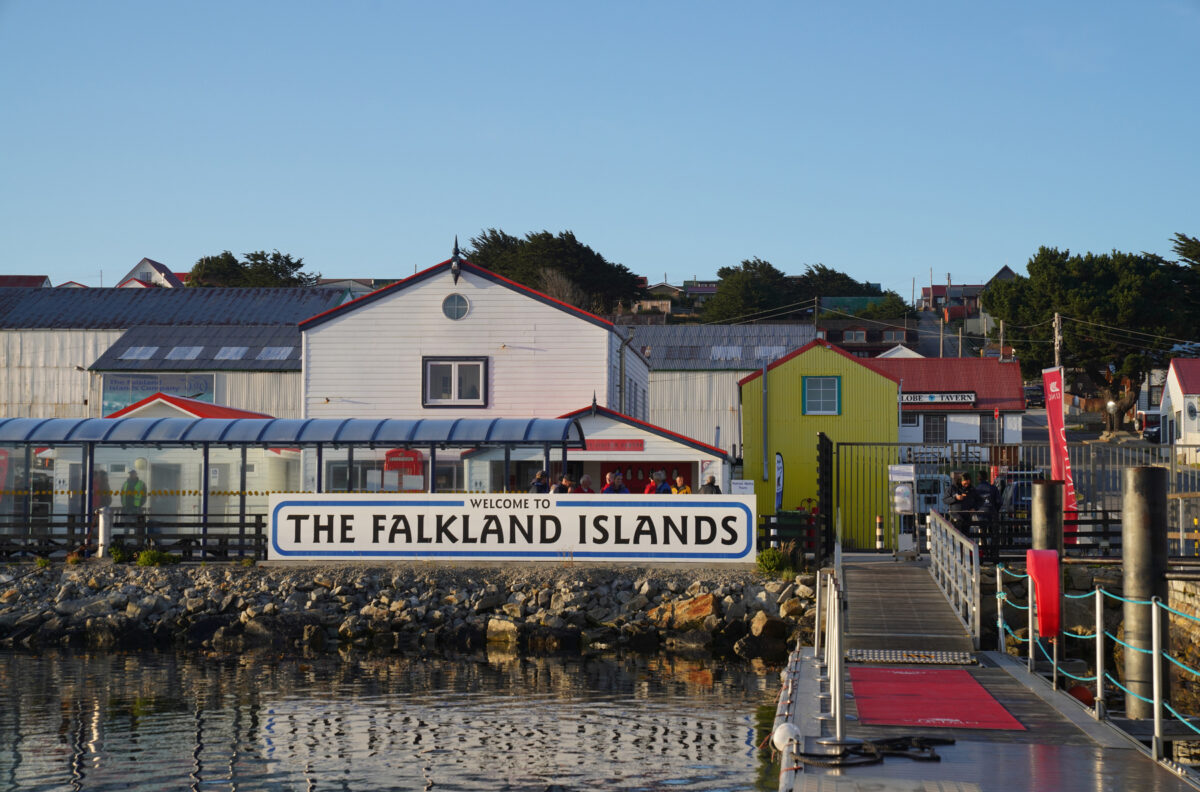
Falkland Islanders remain at the center of the UK-Argentina sovereignty dispute
The Falkland Islands have returned to the centre of a growing dispute between the United States and the United Kingdom after reports that Washington could reconsider its support for British sovereignty over the territory as part of pressure on London to increase defence spending.
The reported ultimatum has raised fresh questions about the future of US-UK relations, NATO burden-sharing and one of the world’s most politically sensitive territorial disputes. While the Falklands are administered by the United Kingdom, Argentina continues to claim sovereignty over the islands.
According to the report, Pentagon officials are reviewing whether NATO allies are meeting their defence spending commitments, with the UK expected to receive what a senior US official described as “special attention.”
The prospect of Washington changing its position on the Falklands has not been confirmed as official US policy, but the reported discussions have put renewed attention on what such a move could mean.
Why Is the US Reportedly Pressuring the UK Over Defence Spending?
The Trump administration is reportedly seeking ways to encourage the UK to increase its defence investment beyond its current plans.
Pentagon officials are understood to be reviewing NATO allies’ commitments to defence spending, including a target of spending 5% on defence. A senior US official told The Telegraph that Britain had significant potential to increase its contribution.
The source reportedly described the UK’s existing defence investment plan as a positive move but argued that it did not go far enough given the scale of security challenges facing the United States and its allies.
The US official said Washington would continue efforts to encourage the UK to take more substantial steps on defence spending.
The report suggests that Britain’s strategic position and military capabilities have made it a particular focus of US pressure.
Could the US Change Its Position on the Falkland Islands?
According to the report, changing America’s stance on Britain’s sovereignty claim over the Falkland Islands has been discussed as one possible option for encouraging greater defence spending.
The source said that conversations about possible measures were candid and that options were not being ruled out.
However, the report does not establish that the US has formally adopted a new policy on the Falklands or officially withdrawn support for Britain’s position.
The possibility remains significant because the United States has historically been an important strategic ally of the United Kingdom. Any major shift in Washington’s position on the Falklands would carry political and diplomatic consequences, particularly because Argentina continues to dispute British sovereignty.
The report also notes that the Foreign Office has considered the possibility of a shift in the US position but has treated it as a hypothetical scenario.
What Is the Falklands Sovereignty Dispute?
The Falkland Islands are administered by the United Kingdom but are also claimed by Argentina.
The dispute over sovereignty remains one of the most enduring territorial disagreements involving Britain and Argentina. The islands have previously voted overwhelmingly in favour of remaining a UK overseas territory, according to the report.
The issue remains politically sensitive because of the Falklands conflict and the continuing disagreement between London and Buenos Aires over sovereignty.
Argentina’s position on the islands adds another layer to the current reports about potential changes in US policy.
The report notes that Argentina’s president is an ally of Donald Trump, increasing interest in how the Trump administration could approach the longstanding dispute.
READ ALSO
White House backs Argentina as FIFA considers punishment over political banner
Who are the Falkland Islanders? Everything to know as Argentina reignites battle over the Islands
What Does the Reported US Ultimatum Mean for British Sovereignty?
The reported pressure from Washington does not change British administration of the Falkland Islands.
Downing Street has previously insisted that sovereignty over the territory is “not in question” when responding to earlier reports about the possibility of a US policy review.
Former Royal Navy commander Admiral Lord West of Spithead also argued that losing US recognition or support for British sovereignty would not have a direct military impact on the security of the islands.
Lord West, who commanded HMS Ardent during the Falklands conflict, said the recognition or non-recognition of British sovereignty by the United States would not make the islands less secure militarily.
That assessment highlights an important distinction between diplomatic recognition and direct military control. A shift in the US position could create a major diplomatic challenge for Britain without necessarily changing the UK’s administration or military position on the islands.
Why Is UK Defence Spending at the Centre of the Dispute?
The report places the growing diplomatic pressure within a wider debate over how much Britain should spend on defence.
The Treasury confirmed that an upcoming budget would not set out a timetable for the UK to reach a target of spending 3% of GDP on defence.
The issue has become increasingly politically significant amid broader concerns about international security and NATO defence commitments.
According to the report, former Defence Secretary John Healey resigned in June, arguing that the government and Treasury had not committed sufficient resources to national defence during a period of growing threats.
The reported US position suggests that Washington wants the UK to make stronger and more clearly defined commitments.
Previous Reports Raised the Falklands Issue
The latest reports follow an earlier threat in April, when a leaked internal Pentagon email reportedly suggested that the US could review Britain’s claim to the Falklands in response to a lack of support during the Iran war.
That earlier development had already raised concerns in Britain about whether the Falklands could become part of broader diplomatic negotiations between Washington and London.
British officials have publicly maintained that sovereignty over the islands is not under discussion.
Conservative leader Kemi Badenoch previously dismissed the prospect of a US policy review as “absolute nonsense” and compared the situation to Donald Trump’s previous comments about Greenland.
What Happens Next for the UK and the Falklands?
The immediate significance of the reported ultimatum lies in the pressure it could place on the British government over defence spending.
The United States has reportedly not formally announced a withdrawal of support for Britain’s sovereignty over the Falklands, and the Independent said it had approached both the White House and Downing Street for comment.
Any formal policy shift would likely intensify diplomatic tensions and place renewed international attention on the sovereignty dispute with Argentina.
For now, the report presents the possibility of a change in America’s Falklands position as one option being considered within broader efforts to push Britain towards greater defence spending.
The key question is whether Washington’s reported pressure will lead to a stronger UK commitment to defence investment or whether the Falklands issue will remain a hypothetical point of diplomatic leverage.
Either outcome could have wider implications for the US-UK relationship and the future debate over defence spending among NATO allies.
FAQ: Falklands and the Reported US Ultimatum
What is the new US ultimatum to the UK over the Falklands?
According to the report, the Trump administration is reportedly considering ways to pressure the UK to increase defence spending, including the possibility of reconsidering America’s position on British sovereignty over the Falkland Islands.
Has the US officially withdrawn support for the UK’s claim to the Falklands?
No official withdrawal of US support is described in the source. The report says a change in America’s position has been discussed as a possible option, but it does not state that Washington has formally changed its policy.
Why is the US pressuring the UK over defence spending?
The report says Pentagon officials are reviewing NATO allies’ defence spending commitments. US officials reportedly believe the UK needs to increase its defence investment further in response to wider security challenges.
What does the US position mean for the Falkland Islands?
A change in the US position could have diplomatic consequences for Britain and increase international attention on Argentina’s sovereignty claim. It would not, by itself, change the UK’s administration of the islands.
Are the Falkland Islands still British?
The islands are administered by the United Kingdom and are a UK overseas territory. Argentina continues to claim sovereignty over them.
Why does Argentina claim the Falkland Islands?
Argentina maintains a sovereignty claim over the islands, creating a longstanding territorial dispute with the United Kingdom.
Did Falkland Islanders vote to remain British?
Yes. The source states that the Falkland Islands have previously voted overwhelmingly in favour of remaining a UK overseas territory.
What would happen if the US changed its position on the Falklands?
The source does not predict a specific outcome. Such a move could create significant diplomatic consequences and affect US-UK relations, but the report notes that a former Royal Navy commander argued it would not directly affect the military security of the islands.
Is the Falklands issue linked to UK defence spending?
According to the report, the possibility of changing America’s position on the Falklands is being discussed in the context of wider US efforts to encourage the UK to increase defence spending.
Is the UK planning to spend 3% of GDP on defence?
The report says the Treasury confirmed that an upcoming budget would not set out when the UK would reach a target of allocating 3% of GDP to defence.
What is NATO’s role in the dispute?
The reported pressure is linked to a broader Pentagon review of NATO allies’ commitments to defence spending and burden-sharing.
What has Downing Street said about Falklands sovereignty?
According to the report, Downing Street previously insisted that sovereignty over the Falkland Islands was “not in question.”
Could this lead to a major change in US-UK relations?
The report does not establish that a formal policy change has been made. However, any decision by the United States to reconsider its position on the Falklands could create significant diplomatic tension between Washington and London.