

Britain is preparing to mobilise 95,000 veterans: What the Army’s 2027 war drill really means

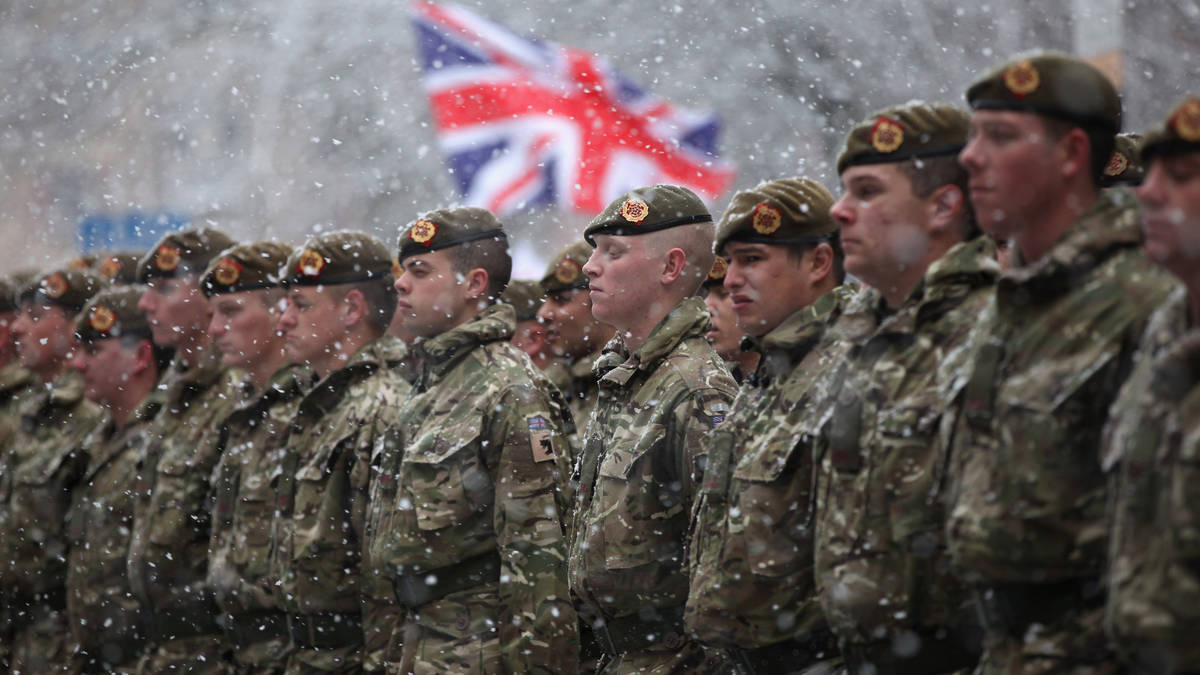
Britain is preparing to mobilise Army veterans. Credit: Getty Images
Britain is preparing to test a part of its military that has largely remained in the background: thousands of former soldiers, sailors and air personnel who could be called back into service during a major national emergency.
A government exercise planned for 2027 will test how quickly and effectively the UK could mobilise members of its strategic reserve in the event of war.
The reserve is estimated to include around 95,000 retired regular and reserve personnel, but the government has not said how many veterans will actually be called up for the exercise. The planned drill is intended to test the procedures for calling out, equipping and using retired personnel rather than signalling that Britain is preparing to send 95,000 veterans to war.
The development comes as the UK faces growing pressure to strengthen its defence capabilities, improve military readiness and address problems retaining personnel.
It also marks a major change in how the government views the strategic reserve: no longer simply a list of former service personnel, but a force that needs to be actively maintained and tested.
What Is the UK’s Strategic Reserve?
The strategic reserve consists of former members of Britain’s armed forces who can potentially be called into military service when required.
It covers personnel connected to the British Army, Royal Navy and Royal Air Force.
For years, many veterans regarded their reserve status as something that would probably never affect their everyday lives. Armed forces minister Louise Sandher-Jones said she had previously taken that view herself after leaving the Army, when she discovered that she remained part of the strategic reserve.
That attitude is now changing.
The government says the reserve will become a more significant component of Britain’s defence planning, with members expected to participate in exercises designed to test how they could be brought back into service.
Is Britain Calling Up All 95,000 Veterans?
No.
The estimated 95,000 figure refers to the size of the retired regular and reserve officer pool described in the report. It does not mean the government has ordered 95,000 veterans to return to military service.
The number of people involved in the 2027 exercise has not yet been specified.
The purpose is to test the system itself: how veterans could be identified, contacted, called out, equipped and integrated into military operations if Britain faced a serious conflict.
That distinction is important because the headline figure could otherwise create the impression of an imminent mass mobilisation.
There is currently no announcement that Britain is sending 95,000 veterans into combat.
Why Is the UK Testing Veteran Mobilisation Now?
The exercise comes amid growing concern about Britain’s ability to sustain its armed forces during a major conflict.
The Chief of the Defence Staff, Air Chief Marshal Sir Richard Knighton, warned earlier this year that Britain did not have an effective system for engaging members of the strategic reserve.
The government has since pushed for what ministers describe as a “real step change” in the way the reserve is used.
Earlier this year, ministers also increased the upper age limit for the strategic reserve from 55 to 65 and lowered the threshold for calling reserve personnel into service.
Those changes potentially expand the pool of experienced former military personnel available to the armed forces during a crisis.
What Will the 2027 War Exercise Test?
The government says the exercise will examine procedures for mobilising retired troops at scale.
That includes processes for:
- Calling reserve personnel into service
- Identifying available veterans
- Equipping returning personnel
- Integrating them into military structures
- Testing the wider Ministry of Defence response to a conflict
The exercise is expected to put the Ministry of Defence under pressure on a scale not seen for many years.
That is significant because military readiness is not only about having trained personnel on paper. A reserve force is useful during a crisis only if the government can locate eligible personnel, contact them, bring them into service and provide the equipment and infrastructure they need.
The 2027 drill is designed to expose weaknesses in that chain before a real emergency occurs.
Britain’s Defence Spending Pressure Is Part of the Bigger Picture
The reserve exercise comes as ministers face pressure to increase defence spending.
The UK is under pressure to raise defence expenditure to 3% of gross domestic product by the end of the decade, compared with an estimated 2.4% the previous year according to NATO figures cited by the BBC.
That debate has increasingly focused on Britain’s ability not just to maintain military equipment but also to generate enough personnel for sustained operations.
A larger strategic reserve could offer one way of expanding the available workforce without maintaining every former service member as a full-time member of the armed forces.
READ ALSO
Could More Young People Be Recruited Too?
The government’s readiness plans are not focused solely on veterans.
Ministers are also looking at ways to bring more young people into military life.
The armed forces introduced a new military “gap year” programme for people under 25, with the first 150 participants being recruited through March 2027.
Sandher-Jones suggested the programme could be expanded more quickly if it proves successful.
The government is also examining the expansion of cadet programmes in schools.
That points to a broader strategy: use former military personnel as a potential surge capacity while creating new routes for younger people to gain military experience.
The Government Is Also Preparing Civilians for Emergencies
The military exercise forms part of a wider effort to improve Britain’s resilience during emergencies.
A major public awareness campaign is expected in the coming months, with messaging aimed at encouraging people to become more prepared for disruptions caused by events such as extreme weather and cyberattacks.
Possible advice includes keeping supplies such as bottled water and tinned food.
The approach reflects a broader concept of national resilience in which defence is not treated solely as a matter for the armed forces.
Britain’s ability to withstand a major crisis could depend on military personnel, emergency services, infrastructure, businesses and ordinary households all being prepared.
Why Finland Is Being Watched Closely
British officials are also looking at Finland as an example of how a country can prepare its wider population for emergencies.
Sandher-Jones praised Finland’s approach after the country conducted what was described as Europe’s largest civil defence exercise since the Second World War, involving more than 2,000 people in an underground sports hall.
Finland has long placed significant emphasis on national preparedness and the ability of civilian systems to function during a crisis.
The British government’s interest in that model suggests that the 2027 military exercise is part of a wider rethink about resilience rather than a standalone drill.
What Does This Mean for British Veterans?
For veterans who remain part of the strategic reserve, the biggest change may be that reserve status is becoming more active.
People who previously assumed that their military service had permanently ended could increasingly be expected to keep their information and availability updated.
The government’s exercise is also likely to reveal whether the UK has enough administrative and logistical capacity to bring former personnel back into service quickly.
That could involve questions about medical assessments, equipment, training, communications and where returning personnel would fit into existing military units.
The report does not specify exactly how individual veterans will be selected for the 2027 exercise.
Does This Mean Britain Is Preparing for War?
The exercise is a sign that the UK is taking war-readiness and national resilience more seriously, but it does not mean Britain has announced that a war is imminent.
Military forces routinely conduct exercises to test contingency plans.
What makes this exercise notable is its focus on the strategic reserve and the government’s admission that existing systems for engaging former service personnel need improvement.
The test is intended to answer a practical question: if Britain suddenly needed thousands of experienced military personnel, could the country actually bring them back into service quickly enough?
The government appears determined to find out before it has to answer that question during a real conflict.
Frequently Asked Questions About the UK Veteran Mobilisation Exercise
Is Britain mobilising 95,000 veterans?
No. The 95,000 figure is an estimate of the retired regular and reserve personnel in the strategic reserve. The government has not said that all of them will be mobilised.
When will Britain’s veteran mobilisation exercise take place?
The major exercise is planned for 2027.
Why is Britain testing its strategic reserve?
The government wants to determine whether it can effectively call out, equip and use retired military personnel if the country faces a major conflict.
What is the UK strategic reserve?
It is a pool of former armed forces personnel who can potentially be called back into military service when required. It includes personnel associated with the Army, Royal Navy and Royal Air Force.
What is the new age limit for Britain’s strategic reserve?
The government has raised the age limit from 55 to 65.
Can British veterans be forced back into military service?
The report says the government has lowered the threshold for calling strategic reserve members into service, but it does not provide details about individual legal obligations or how particular veterans would be selected.
Are the veterans being prepared to fight immediately?
No. The 2027 exercise is designed to test mobilisation and readiness procedures. It is not an announcement that 95,000 veterans are being sent into combat.
Why does Britain need its veterans?
Former service personnel possess military experience that could be valuable if the armed forces needed to expand rapidly during a serious national emergency.
Is Britain increasing defence spending?
The UK is under pressure to increase defence spending to 3% of GDP by the end of the decade, compared with an estimated 2.4% previously cited by NATO.
What is Britain’s military gap year?
It is a programme aimed at people under 25 that gives young participants military experience. The first intake is being recruited through March 2027, with 150 students involved in the initial programme.
Is Britain preparing civilians for war?
The government is also planning a public awareness campaign focused on emergency preparedness, including possible preparation for extreme weather and cyberattacks.