
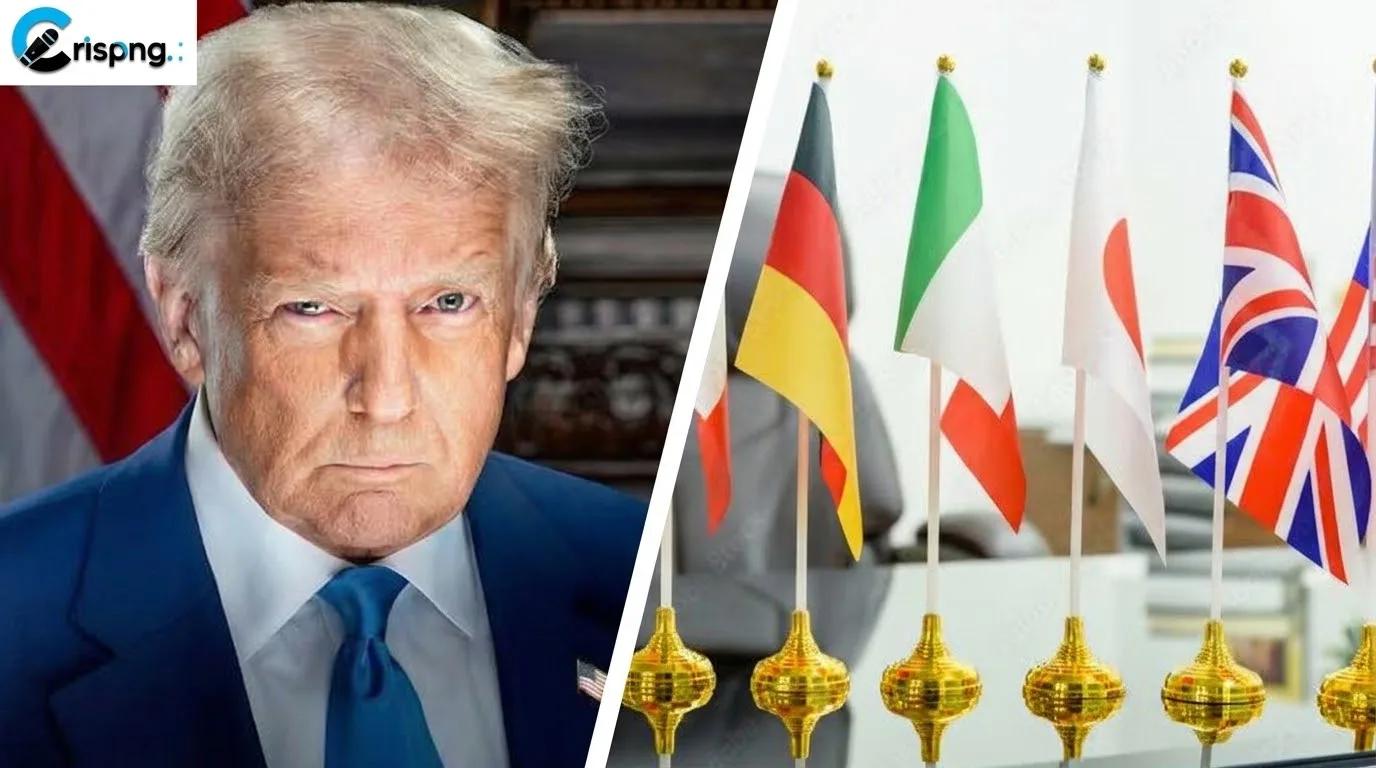
The United States has proposed fresh import tariffs on 14 economies, including China, India, Japan and members of the European Union. The proposed rates reach 35 per cent for some countries, raising questions about the impact on global trade and whether Nigerian businesses or consumers could be affected.
The administration of US President Donald Trump has proposed new tariffs on goods from 14 trading partners following investigations into their manufacturing policies.
The announcement, made by the Office of the United States Trade Representative (USTR) on November 25, 2026, covers major manufacturing economies across Asia, Europe and other regions.
However, the proposed measures are not yet in force. They must pass through a public consultation process before the US government makes a final decision.
Nigeria is also not among the 14 economies listed in the announcement. This means the country is not directly targeted by this particular tariff proposal.
The 14 economies facing proposed US tariffs
The USTR identified China, the European Union, Singapore, Switzerland, Indonesia, Malaysia, Cambodia, Thailand, South Korea, Vietnam, Taiwan, Bangladesh, Japan and India.
The investigations began in March 2026 and initially covered 16 economies. However, the USTR has not made determinations against Mexico and Norway at this stage.
The US government argues that the affected economies maintain manufacturing policies that create excess production capacity and disadvantage American producers.
These policies, according to the USTR, include industrial subsidies, production incentives, export promotion and practices that suppress wages and distort competition.
The proposed tariff rates differ across the economies.
| Economy | Proposed tariff |
|---|---|
| Bangladesh | Up to 18% |
| Cambodia | Up to 18% |
| China | Up to 20% on most covered goods; up to 10% on specified goods |
| European Union | Up to 15% |
| India | Up to 25% |
| Indonesia | Up to 18% |
| Japan | Up to 15% |
| South Korea | Up to 15% |
| Malaysia | Up to 18% |
| Singapore | Up to 20% |
| Switzerland | Up to 15% |
| Taiwan | Up to 15% |
| Thailand | Up to 18% |
| Vietnam | Up to 35% |
These are proposed rates, not necessarily the final duties every product will attract. The USTR also listed exemptions for certain goods and explained that some rates account for existing trade arrangements and duties.
For India, the proposed rate could be adjusted to 17 per cent if it reaches a qualifying trade agreement with the US. Singapore’s proposed rate could also fall to 10 per cent under a responsive agreement. Vietnam’s rate could be adjusted to 20 per cent.
China also has a different tariff arrangement from the other economies, including separate treatment for goods identified in the relevant notices.
The full breakdown appears in the USTR announcement and proposed tariff schedules.
Read also: Nigeria Exported 281 Non-Oil Products to 120 Countries in 2025, Including the UK, US and China
Why Trump wants to impose the new tariffs
The proposed measures come under Section 301 of the Trade Act of 1974, a US law that allows the government to respond to foreign trade practices it considers unfair and harmful to American commerce.
The USTR argues that some trading partners produce more manufactured goods than their domestic and global markets can absorb.
It says government support, industrial policies and export incentives help sustain this excess production. The resulting competition, according to the US government, limits opportunities for American manufacturers.
The administration says the tariffs would pressure the affected economies to address those practices and create a more favourable environment for US industries.
However, the proposed measures could also increase the cost of importing affected goods into the United States.
US importers generally pay customs duties on imported products. Businesses may absorb those costs, negotiate lower prices with suppliers or pass some of the additional expenses to customers.
This means the economic effect will depend on the products covered, available alternatives and how businesses respond.
Nigeria is not on the list, but global trade could still feel the impact
Nigeria is not among the 14 economies covered by the latest Section 301 determinations.
Therefore, the announcement does not impose these proposed additional duties on Nigerian goods simply because they are exported from Nigeria.
However, this does not mean Nigerian exporters are exempt from every existing US tariff or trade restriction. It only means Nigeria is not targeted by this particular investigation.
The development could still affect Nigerian businesses indirectly.
For example, manufacturers and traders that depend on suppliers in China, India, Japan or other affected economies could face changes in prices, sourcing decisions and international shipping arrangements if the proposals become final.
A company importing machinery, components or production materials from an affected country would need to examine the final tariff treatment of the specific goods. The effect would depend on whether the products enter the US market or are affected through wider changes in supply chains.
There could also be opportunities if businesses in affected economies seek alternative markets for products that become more expensive to sell in the US. However, that possibility does not guarantee cheaper imports or increased trade for Nigeria.
Nigeria’s ability to benefit from changes in global trade will depend on local production capacity, product quality, export standards and access to foreign markets.
Read also: Nigeria Has a ₦40trn Manufacturing Opportunity. Why Are Local Producers Struggling?
The tariffs are still proposals, not a final decision
The USTR has opened the proposals to public comments and further scrutiny.
Interested parties have until January 5, 2027, to submit written comments and requests to appear at the hearings. Public hearings are scheduled to begin on January 25, 2027.
The US government will consider the submissions before deciding on the final measures.
Consequently, the rates, product coverage and exemptions could change before implementation. The announcement does not provide a confirmed date on which the proposed tariffs will take effect.
The distinction is important for businesses and consumers. The proposed rates should not be treated as duties that have already been added to the cost of importing goods.
Read also: How Does AfCFTA Work? Tariffs, Rules of Origin and Trade
What the development means for Nigerian businesses
For now, Nigerian businesses do not face the new proposed duties simply because they trade with the United States.
However, exporters should monitor the final decision, particularly if they sell products through international supply chains involving the affected economies.
Importers should also pay attention to changes in sourcing costs and trade arrangements. A shift in global manufacturing and export patterns could create new opportunities, but it could also introduce uncertainty for businesses that depend on foreign materials and equipment.
Nigeria’s exclusion from this list is therefore not a guarantee that the trade dispute will have no economic consequences.
The immediate development is that Washington has proposed new duties against 14 economies. Whether those measures become final, and how businesses respond, will determine their wider impact on global trade.