
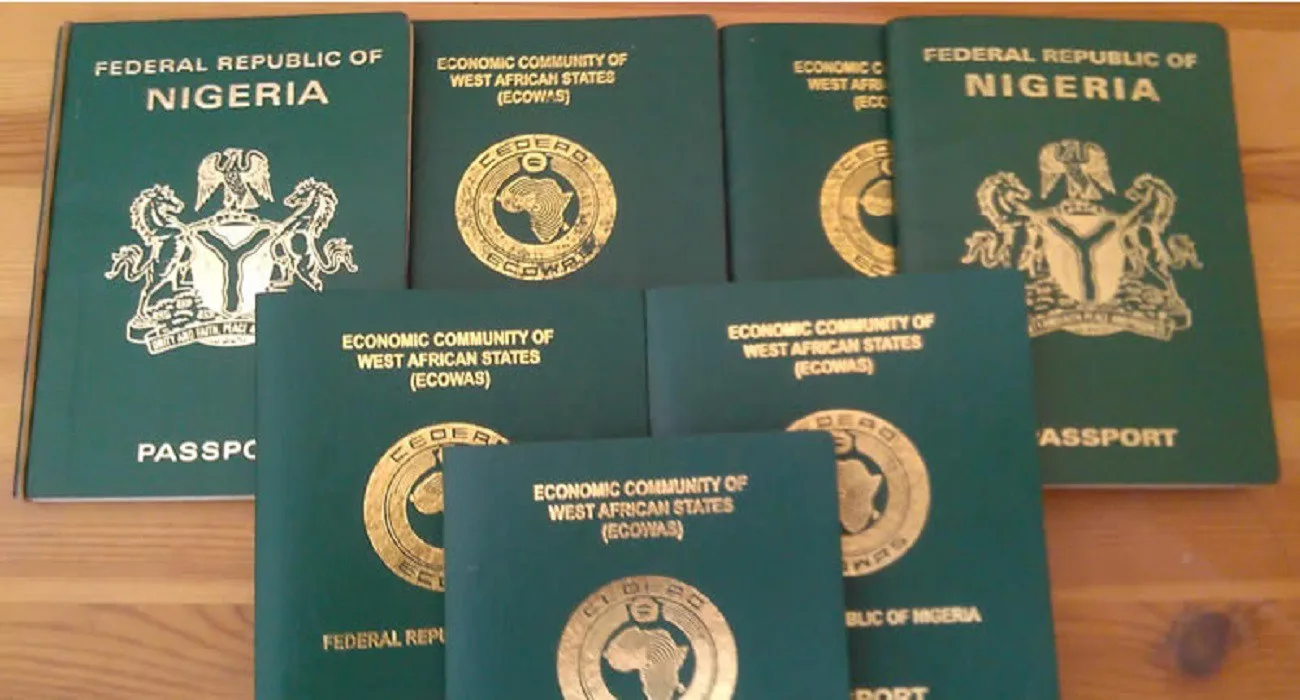
A passport with only three months before its expiry date does not automatically mean you cannot travel. However, whether you will be allowed to board your flight or enter your destination depends on the country’s passport validity requirements, your nationality and, in some cases, your transit arrangements.
For Nigerians planning international trips, this is an important detail to check before booking flights, applying for visas or making hotel reservations.
Some countries require visitors to have at least six months of passport validity remaining when they arrive. Others accept passports with three months remaining, while certain destinations require the passport to remain valid for only the duration of the intended stay.
The European Schengen Area, for instance, generally requires visitors from visa-required countries to have a passport valid for at least three months after their intended departure from the Schengen territory. The United Kingdom has a different rule, while countries such as the United States generally require a passport to remain valid for the duration of the intended stay, subject to nationality-specific exemptions.
This means a traveller with three months left on their Nigerian passport could be eligible to visit one country but be refused boarding or entry to another.
Here are the important things to understand before travelling with a passport that is close to its expiry date.
1. Can You Travel Internationally With Three Months Left on Your Passport?
Yes, it is possible to travel internationally with three months remaining on your passport, but it depends on your destination.
There is no single passport validity rule that applies to every country. Immigration authorities establish their own entry requirements, and airlines are expected to check whether passengers meet the conditions before allowing them to board.
A country may require six months of validity from the date of arrival, while another may require three months beyond the planned departure date.
For instance, someone travelling to a country that requires six months of remaining validity may be denied boarding with a passport that expires in three months.
However, if the destination only requires a passport to remain valid throughout the visit, the same traveller may qualify to enter, provided all other entry requirements are satisfied.
The important thing is to check the specific rules of the destination rather than assume that three months is enough.
2. Which Countries Require Six Months of Passport Validity?
Several countries require international visitors to have at least six months of passport validity remaining, although the exact rules and how the six-month period is calculated can differ.
The requirement is particularly common in parts of Asia, Africa and the Middle East.
Countries and destinations that commonly apply six-month validity requirements include:
United Arab Emirates (UAE)
Thailand
Indonesia
Malaysia
Singapore
Philippines
Vietnam
Travellers should verify the current entry conditions before departure because some countries have different requirements depending on nationality, visa category and purpose of travel.
For Nigerians travelling to Dubai, for instance, checking the UAE’s passport validity requirement before booking a flight is particularly important.
A passport with only three months remaining may not satisfy the standard six-month requirement.

3. Does the Schengen Area Accept Passports With Three Months Left?
The Schengen Area has a specific passport validity rule for visitors entering from outside the zone.
Under the general Schengen entry requirements, a passport must:
Have been issued within the previous 10 years.
Remain valid for at least three months after the traveller’s intended date of departure from the Schengen Area.
This distinction is important.
The three-month requirement is not simply calculated from the date you arrive. It is calculated from your intended departure date.
For example, if a Nigerian traveller plans to leave the Schengen Area on June 30, the passport should generally remain valid until at least September 30.
Someone whose passport expires on July 15 would not satisfy this requirement, even if the passport still has more than three months remaining when they arrive.
The rule applies across Schengen destinations, including France, Germany, Spain, Italy, the Netherlands and other member countries.
4. Can You Travel to the UK With Three Months Left on Your Passport?
The United Kingdom generally requires visitors to have a passport valid for the entire duration of their planned stay.
Unlike the general Schengen requirement, there is no universal additional three-month or six-month validity requirement for ordinary visitors to the UK.
This means a Nigerian traveller whose passport has three months remaining may be able to visit the UK, provided the passport remains valid throughout the trip and the traveller meets the other immigration requirements.
However, someone planning a longer visit should consider their passport’s expiry date carefully.
Travellers should also check the requirements of any country they will pass through or visit after leaving the UK.
5. Can You Travel to the United States With Three Months Left on Your Passport?
The United States generally requires foreign visitors to have passports valid for six months beyond their intended period of stay, but there are exceptions under the Six-Month Club arrangement.
Countries covered by the arrangement are exempt from the additional six-month requirement and only need passports valid for the duration of their intended stay.
However, travellers should not assume that every nationality qualifies for this exemption.
Nigerian passport holders should check the applicable US entry requirements before travelling. A passport with only three months remaining could create problems, particularly if the planned visit extends beyond its expiry date.
Having a valid US visa does not automatically override passport validity requirements.

6. Why Can an Airline Refuse to Let You Board With Three Months Left?
Even if you have purchased a flight ticket and obtained a visa, an airline can refuse to allow you to board if your passport does not meet the destination’s entry requirements.
Airlines are responsible for checking passengers’ travel documents before departure. They use immigration and travel-document requirements to determine whether passengers are eligible to travel.
If a passenger arrives at the airport with a passport that does not satisfy the destination country’s validity rules, the airline may deny boarding.
This can happen even when the traveller has already paid for flights, accommodation and visa processing.
The situation can also arise when a passenger has a connecting flight through a country with separate transit requirements.
Travellers should confirm their passport validity requirements with the airline and relevant immigration authorities before departure.
READ ALSO
How to Check Your Nigerian Visa Application Status Online
7. Does Having a Valid Visa Mean You Can Travel With an Expiring Passport?
No. A valid visa does not automatically mean you can travel with a passport that is close to its expiry date.
A visa and a passport serve different purposes. The visa grants permission to seek entry under specified conditions, while the passport establishes the traveller’s identity and nationality and serves as their international travel document.
If your passport fails the destination’s validity requirements, your visa may not be enough to get you through the airport or immigration checks.
This is particularly important for Nigerians who have already received visas for countries with six-month passport validity requirements.
Travellers should also check whether their visa is linked to an old passport and whether they need to carry both the expired passport containing the visa and their new passport.
8. What Happens If Your Passport Expires While You Are Abroad?
Having a passport that expires while you are outside Nigeria can create serious travel complications.
You may encounter difficulties when trying to board your return flight, particularly if the airline requires a valid passport for the journey.
You may also need to contact the nearest Nigerian embassy, high commission or consulate to obtain assistance with an emergency travel document or passport renewal.
The procedure depends on your circumstances and the services available at the Nigerian diplomatic mission in your country of residence.
Travellers should avoid deliberately planning trips that extend beyond their passport’s expiry date.
If you are already abroad and discover that your passport is close to expiring, contact the nearest Nigerian diplomatic mission before making further travel arrangements.
9. Should You Renew Your Nigerian Passport Before Travelling?
If your Nigerian passport has only three months remaining, renewing it before an international trip is generally the safer option.
This is particularly important if you are travelling to a country that requires six months of remaining validity.
Renewing early can also prevent complications if your travel dates change, your return flight is postponed or you need to extend your stay.
The Nigeria Immigration Service provides passport application and renewal services through its official portal.
Travellers should begin the renewal process early enough to allow for application processing and collection before their intended departure.
If you already have a valid visa in your existing passport, check the destination’s rules on transferring or using visas issued in an old passport before travelling with a replacement.
10. What Should You Check Before Booking a Flight With an Expiring Passport?
Before paying for an international flight, check these important details:
Passport expiry date: Confirm the exact date your passport expires.
Destination requirements: Find out whether the country requires three or six months of remaining validity.
Calculation method: Check whether the validity period is calculated from arrival, departure or the end of your authorised stay.
Transit requirements: Confirm whether countries where you will change flights have separate passport validity rules.
Visa conditions: Ensure your passport meets the requirements for the visa you intend to use.
Return journey: Make sure your passport will remain valid throughout your trip and on your return journey.
Airline requirements: Confirm that your airline will accept your passport for the complete itinerary.
Checking these details before booking can help prevent denied boarding, cancelled travel plans and unexpected expenses.
For Nigerians, the safest approach is to renew a passport before travelling when it has only three months remaining, particularly when the destination’s requirements are unclear.