

Trump mail ballot win: What the Supreme Court ruling means for the 2026 midterm elections

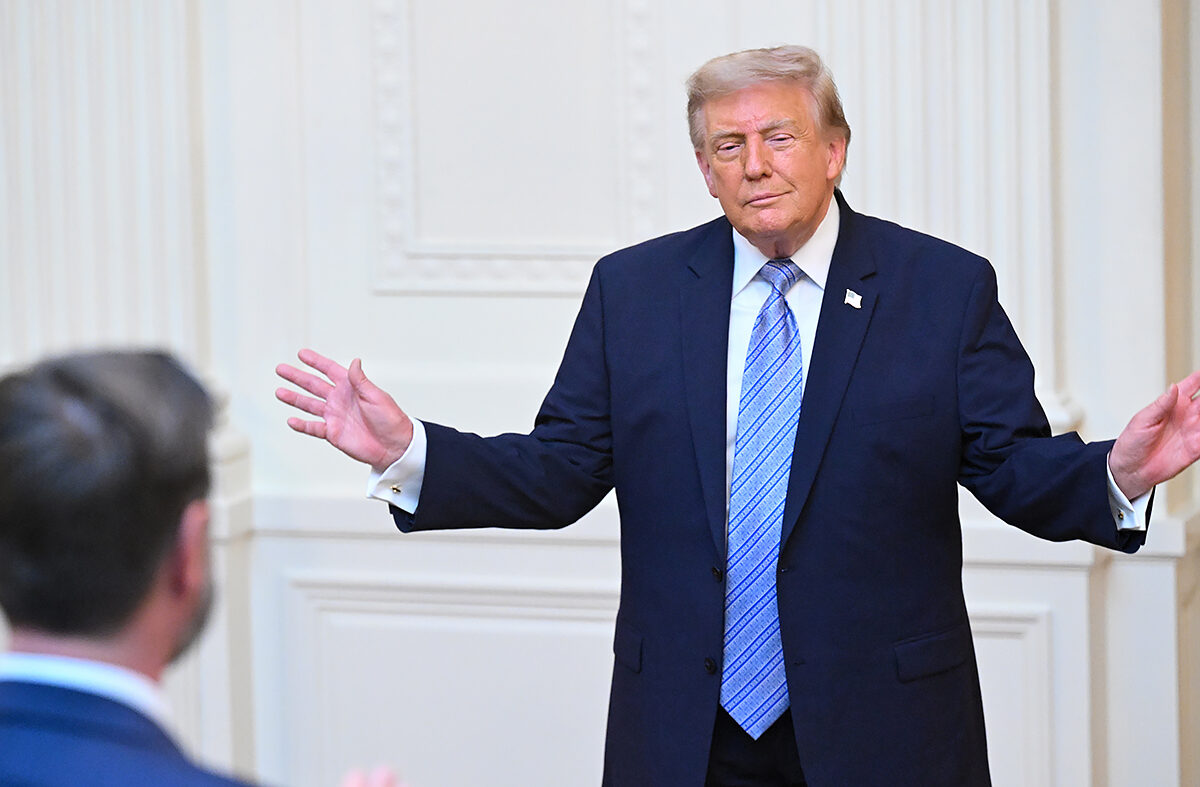
President Trump gestures after speaking in the East Room of the White House, Thursday, July 16, 2026, in Washington, D.C. Image Credit: Saul Loeb/Pool via AP
The Supreme Court has handed Donald Trump an important but limited victory in his fight to change the rules governing mail-in ballots, just weeks before the 2026 midterm elections.
In a 6-3 decision issued August 24, the justices lifted a lower-court order that had temporarily blocked key portions of Trump’s March executive order in 23 states and Washington, D.C. The ruling allows the administration to move forward with parts of the order while the legal battle continues.
The decision, however, does not settle whether Trump’s election order is constitutional or ultimately lawful. A separate nationwide injunction continues to block the U.S. Postal Service from implementing one of the most significant provisions of the order.
That distinction is crucial for voters heading toward the November elections.
What the Supreme Court’s Trump Mail Ballot Ruling Means
The Supreme Court’s decision is best understood as an interim victory for Trump, rather than a final ruling approving his mail-voting policy.
The justices concluded that the states challenging the executive order had moved too early because the administration had not yet fully implemented the measures and the states had not demonstrated the type of concrete harm necessary for their lawsuit to proceed at that stage.
The ruling therefore removes one major judicial obstacle facing the administration.
It does not mean every provision of Trump’s executive order can immediately be enforced. The court specifically left open the possibility that individual measures could later be challenged once the administration begins implementing them.
That means the legal fight over mail-in voting is far from finished.
What Is Trump’s Mail Ballot Executive Order?
Trump signed the executive order in March 2026 as part of his broader effort to increase federal involvement in the administration of elections.
Among other measures, the order directs the Department of Homeland Security to create lists of U.S. citizens in each state. It also directs federal authorities to prioritize investigations and potential prosecutions involving election officials who issue federal ballots to people deemed ineligible.
Another major provision concerns the U.S. Postal Service.
The order seeks to establish new federal standards for mail-in ballots, including requirements involving ballot envelopes, voter lists and USPS processing. Under the proposed system, states would provide lists of voters who are expected to receive mail ballots, while USPS would use an enrollment system to determine whether ballots could be transmitted.
Supporters say the changes are intended to strengthen election administration and protect election integrity.
Opponents argue that the federal government is attempting to interfere with responsibilities traditionally handled by states.
Does the Supreme Court Ruling Ban Mail-In Voting?
No. The Supreme Court ruling does not ban mail-in voting.
Voters who are eligible to vote by mail under their state’s existing laws have not automatically lost that option because of Monday’s decision.
The ruling concerns whether parts of Trump’s executive order can proceed while legal challenges are considered. A separate court order continues to restrict USPS from implementing a key provision of the administration’s plan nationwide.
The practical impact on individual voters could depend on future court decisions, federal rules and how quickly the administration can implement any provisions that survive further legal challenges.
Why the USPS Role Is So Important
The Postal Service sits at the center of the dispute because millions of Americans use mail to cast ballots.
Trump’s order seeks to give USPS a larger role in determining which mail ballots can be transmitted. The administration has also pursued new requirements involving ballot envelopes and voter information.
A separate nationwide injunction currently prevents USPS from implementing the relevant provision, meaning the Supreme Court’s August 24 decision did not give the administration complete control over the mail-ballot process.
The uncertainty is particularly significant because election officials are working against tight deadlines before November’s midterm elections.
READ ALSO
Mail ballots, voter data and lawsuits: Why Trump’s new postal voting plan is facing backlash
How Could the Ruling Affect the 2026 Midterms?
The 2026 midterm elections will determine control of both chambers of Congress, making voting rules a major political issue.
Mail voting remains an important part of the American electoral system. About 30% of voters cast ballots by mail in the 2024 election, according to figures cited by the Los Angeles Times.
Any significant change to mail-ballot procedures could affect election administrators and voters, particularly if new requirements are introduced close to Election Day.
Critics of Trump’s order have warned that changes to voter lists, ballot envelopes and USPS procedures could create confusion or increase the risk that eligible ballots are delayed or rejected.
Supporters counter that uniform standards and additional verification could improve election administration and reduce opportunities for ineligible voting.
Why States Are Challenging Trump’s Mail Voting Order
A coalition of mostly Democratic-led states challenged the executive order, arguing that the federal government is exceeding its authority over election administration.
The Constitution gives states a central role in determining the qualifications and administration of federal elections, while Congress also has specific powers over federal election rules.
The states have argued that Trump’s order could interfere with existing election systems and create logistical problems for election officials.
The Supreme Court did not resolve those constitutional questions in its latest decision.
What Happens Next in the Trump Mail Ballot Fight?
The next phase is likely to involve further litigation as federal agencies attempt to implement provisions of Trump’s order.
The Supreme Court’s ruling leaves the door open for states and other challengers to bring additional claims once concrete rules are implemented and specific harms can be identified.
That means the administration may have gained additional room to proceed, but it still faces substantial legal and practical obstacles.
With ballots scheduled to begin moving to voters in some states soon, the timing of future court decisions could be just as important as the Supreme Court’s August ruling.
What Trump’s Mail Ballot Win Means for Voters
For now, voters should not assume that Monday’s Supreme Court ruling immediately changes their state’s mail-voting rules.
Election procedures remain governed by state law and current court orders. Any changes that ultimately take effect would need to be communicated by election authorities.
The most important takeaway is that Trump won an interim legal victory, not a final approval of his mail-ballot policy.
The Supreme Court has allowed parts of the administration’s effort to move forward, but another injunction remains in place and the underlying constitutional dispute has not been resolved. With the midterms approaching, the battle over mail ballots is likely to remain one of the most closely watched election-law fights of 2026.
Frequently Asked Questions About Trump’s Mail Ballot Win
What did the Supreme Court rule on Trump’s mail ballot order?
The Supreme Court ruled 6-3 to lift a lower-court injunction that had blocked key portions of Trump’s executive order in 23 states and Washington, D.C. The justices did not rule that the entire executive order is constitutional or lawful.
Does Trump’s Supreme Court win mean mail-in voting is banned?
No. The decision does not ban mail-in voting. It concerns the administration’s ability to move forward with parts of Trump’s executive order while legal challenges continue.
What does Trump’s mail ballot win mean for the 2026 midterms?
It gives the Trump administration more room to implement parts of its election executive order, but the impact on the November midterms remains uncertain because a separate nationwide injunction continues to block an important USPS provision.
Can states still challenge Trump’s mail ballot order?
Yes. The Supreme Court’s decision did not permanently prevent states from challenging the administration’s actions. The court indicated that future challenges could proceed once the government’s implementation creates a concrete legal injury.
Is the USPS allowed to implement Trump’s mail ballot rules?
Not completely. A separate nationwide court order continues to prevent USPS from implementing a key provision of Trump’s executive order. That means Monday’s Supreme Court ruling did not remove every legal obstacle facing the Postal Service.
What changes does Trump want for mail ballots?
The executive order seeks several changes, including federal citizenship lists, increased federal involvement in ballot eligibility, new mail-ballot standards and requirements involving voter lists and USPS processing.
Will voters have to provide proof of citizenship to receive a mail ballot?
The executive order involves federal citizenship lists and verification, but the Supreme Court’s August 24 ruling did not finally approve every implementation detail. The exact effect on voters depends on future rules and court decisions.
Why is the Trump mail ballot order controversial?
Opponents argue that the federal government is intruding into state election administration and that last-minute changes could cause confusion or disenfranchise eligible voters. Supporters argue the measures are designed to strengthen election integrity and standardize mail-ballot procedures.
When is the 2026 U.S. midterm election?
The 2026 federal midterm election is scheduled for November 3, 2026. Mail-ballot deadlines and procedures vary by state.
Did the Supreme Court rule that Trump’s mail ballot order is constitutional?
No. The court’s decision was procedural and focused on whether the states’ challenge was premature. It did not issue a final ruling approving the constitutionality of the executive order.
What is the biggest remaining obstacle for Trump’s mail ballot order?
The separate nationwide injunction affecting USPS remains a major obstacle. In addition, states and voting-rights organizations can continue challenging specific measures as implementation proceeds.
Could Trump’s mail ballot rules still be blocked before the midterms?
Yes. Further litigation could result in additional court orders affecting implementation. The current legal situation remains fluid, making the final impact of the executive order on the November elections uncertain.