
Nigeria has the world’s lowest life expectancy in the 2026 global comparison, with a newborn expected to live for just 55 years. The country leads nine others, mostly in Africa, where poverty, insecurity, preventable diseases and limited access to healthcare continue to affect how long people live.
Nigeria has emerged as the country with the lowest life expectancy in the world, according to the latest ranking published by World Population Review.
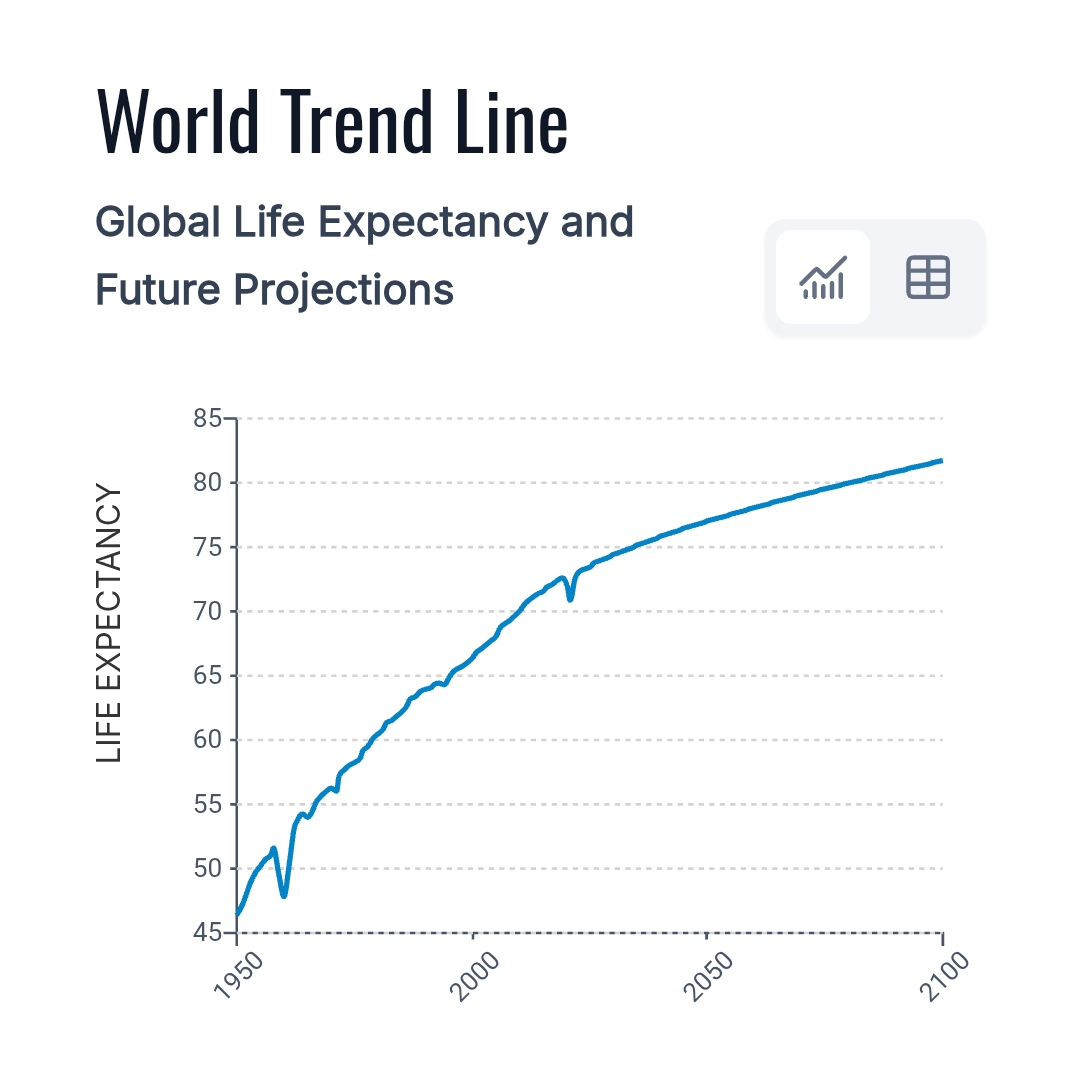
The 2026 comparison puts Nigeria at 55 years, significantly below the global average of 73.8 years. Chad follows with 55.6 years, while South Sudan records 58 years.
The ranking, based on United Nations World Population Prospects estimates, highlights the health and development challenges facing several countries, particularly across sub-Saharan Africa.
According to World Population Review, political instability, food insecurity and inadequate healthcare are among the major factors associated with low life expectancy.
The figures represent estimates of life expectancy at birth. They do not predict the exact age at which individuals will die.
Top 10 countries with the lowest life expectancy in 2026
The following countries occupy the bottom 10 positions in the World Population Review ranking:
| Rank | Country | Life expectancy |
|---|---|---|
| 1 | Nigeria | 55.0 years |
| 2 | Chad | 55.6 years |
| 3 | South Sudan | 58.0 years |
| 4 | Central African Republic | 58.1 years |
| 5 | Lesotho | 58.6 years |
| 6 | Somalia | 59.3 years |
| 7 | Mali | 61.1 years |
| 8 | Guinea | 61.2 years |
| 9 | Benin | 61.3 years |
| 10 | Burkina Faso | 61.6 years |
Why do these countries have the lowest life expectancy?
Several interconnected problems help explain why these countries struggle to achieve longer life expectancy.
1. Nigeria
Nigeria’s position at the bottom reflects persistent healthcare challenges, high maternal and child mortality, poverty and unequal access to medical services.
The country also faces shortages of healthcare workers and inadequate medical infrastructure, particularly in rural communities.
A United Nations report on maternal mortality identified Nigeria as having one of the world’s highest maternal mortality ratios, with an estimated 993 maternal deaths per 100,000 live births in 2023.
2. Chad
Chad faces widespread poverty, food insecurity and limited access to essential healthcare. Insecurity and displacement have also placed additional pressure on already stretched public services.
These conditions make it difficult for many families to access adequate nutrition and timely medical treatment.
3. South Sudan
Years of conflict have weakened South Sudan’s healthcare infrastructure and disrupted access to essential services.
Displacement, food shortages and limited medical facilities have increased the vulnerability of women and children.
4. Central African Republic
Political instability and prolonged insecurity have affected the country’s ability to provide consistent healthcare.
Many communities face difficulties accessing hospitals, trained medical personnel, vaccinations and essential medicines.
5. Lesotho
Lesotho has faced a significant public health burden from HIV and tuberculosis. These diseases, alongside poverty and healthcare access challenges, have affected population health and longevity.
6. Somalia
Decades of conflict, recurrent droughts, food insecurity and displacement have contributed to Somalia’s health challenges.
Limited healthcare facilities and inadequate maternal and child health services also expose vulnerable communities to preventable deaths.
7. Mali
Mali continues to experience insecurity in parts of the country, alongside poverty and difficulties accessing healthcare.
Conflict and displacement have disrupted livelihoods and made it harder for some communities to receive essential medical services.
8. Guinea
Guinea faces challenges involving healthcare infrastructure, poverty and access to quality medical services.
Preventable diseases and gaps in maternal and child healthcare also contribute to the country’s public health burden.
9. Benin
Despite improvements in some health indicators, Benin continues to face challenges involving maternal and child mortality, healthcare access and poverty.
Limited medical resources in rural communities also affect access to timely treatment.
10. Burkina Faso
Burkina Faso has experienced growing insecurity and displacement, particularly in areas affected by armed violence.
The situation has disrupted healthcare delivery and increased pressure on communities already facing food insecurity and poverty.
What does the ranking mean for Africa?
The ranking highlights a wider public health challenge across Africa. All 10 countries are in sub-Saharan Africa, where preventable diseases, maternal deaths, child mortality and inadequate access to healthcare remain significant concerns.
The World Health Organization has also warned that fragile and conflict-affected countries face particularly high risks of child deaths because of weak health systems, poverty and limited access to essential services.
However, low life expectancy is not irreversible. Better healthcare financing, improved nutrition, vaccination, maternal care, security and access to essential medicines can help countries improve survival rates.
For Nigeria, the ranking raises questions about how the country can strengthen its healthcare system and reduce preventable deaths.
Although life expectancy is gradually improving globally, Nigeria’s position shows that millions of people still face conditions that make living longer a significant challenge.