
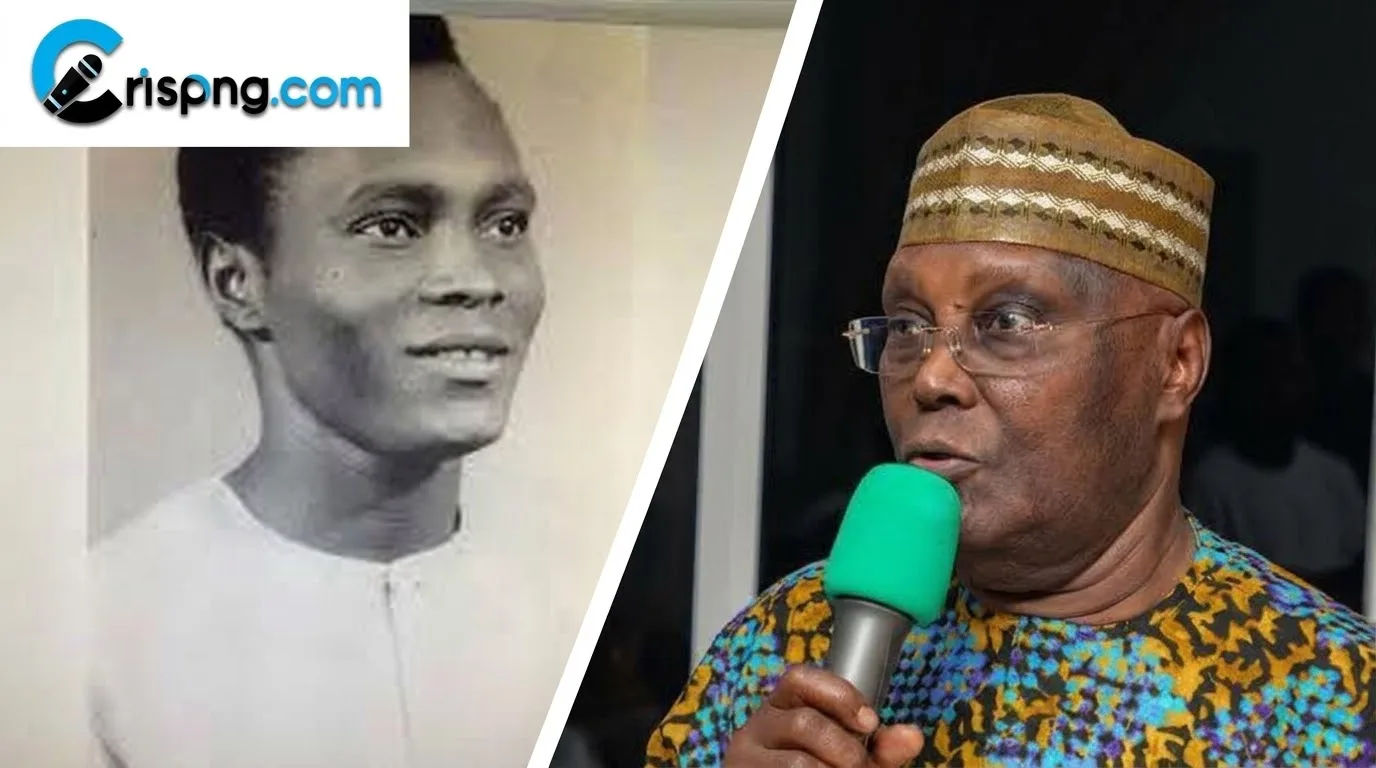
Former Vice-President Atiku Abubakar turns 80 on November 25, 2026. From his childhood in Jada, Adamawa State, to his years in the Nigeria Customs Service, business ventures and eight-year tenure as vice-president, Atiku has spent decades in public life. His repeated attempts to become president have also made him one of Nigeria’s most recognisable political figures.
Atiku Abubakar’s political journey spans more than three decades. He has served as Nigeria’s vice-president, built businesses, established a private university and contested presidential elections under different political platforms.
As he celebrates his 80th birthday, here are 10 important things to know about his life, career and political journey.
1. He was born in Jada, Adamawa State, in 1946
Atiku Abubakar was born on November 25, 1946, in Jada, a community in present-day Adamawa State.
His parents were Garba Abubakar and Aisha Kande. His father was a trader and farmer.
Atiku reportedly lost his father in 1957 when he was still a child. His father’s opposition to Western education also affected the beginning of his schooling.
According to a profile published by The Guardian, Atiku did not start formal education until he was eight years old. His father was reportedly jailed briefly after authorities discovered that he was not attending school.
2. He attended several schools before studying law
Atiku began his primary education at Jada Primary School before proceeding to Adamawa Provincial Secondary School in Yola.
He completed his secondary education in 1965. He later attended the School of Hygiene in Kano, where he obtained a diploma in 1967.
He subsequently gained admission to Ahmadu Bello University, Zaria, where he studied law and obtained a diploma in 1969.
His educational journey preceded a career that took him from public service into business and national politics.
3. He spent 20 years in the Nigeria Customs Service
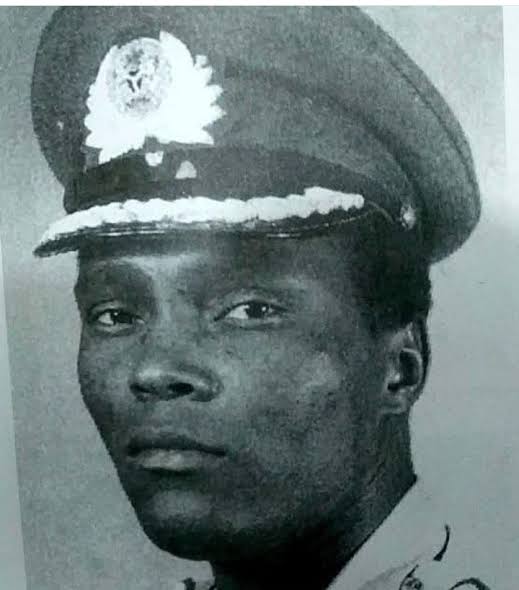
After completing his studies in 1969, Atiku joined the Nigeria Customs Service.
He spent 20 years in the organisation and rose to the position of Deputy Director before retiring in April 1989.
His time in Customs exposed him to public administration and government operations.
He also began exploring business opportunities while still working in the service. However, his retirement in 1989 allowed him to concentrate more fully on business and politics.
4. He built business interests in several sectors
Atiku developed business interests in real estate, agriculture, logistics and manufacturing.
One of his early ventures involved buying land and developing properties in Yola. He also attempted large-scale farming, although that business eventually closed.
He later became associated with Nigeria Container Services, known as NICOTES, which developed into the logistics company INTELS.
He also established Adama Beverages Limited, a beverage production company based in Yola.
His business activities helped establish him as a wealthy entrepreneur before and during his rise in national politics.
5. He entered politics through the Peoples Front
Atiku’s political involvement became more prominent in the 1980s.
He worked with the political network associated with former military officer Shehu Musa Yar’Adua. He later became a leading member of the Peoples Front of Nigeria.
In 1989, he emerged as the group’s national vice-chairman.
The political movement later became part of the wider coalition that formed the Social Democratic Party during Nigeria’s transition towards the Third Republic.
Atiku also contested for the governorship of the old Gongola State in 1991. After the state was divided into Adamawa and Taraba, he won the SDP governorship primary in Adamawa but was prevented from contesting the election.
6. He won the Adamawa governorship election but became vice-president
In 1998, Atiku joined the Peoples Democratic Party and contested the Adamawa governorship election.
He won the election but did not eventually assume office.
The party’s presidential candidate, Olusegun Obasanjo, selected him as his running mate for the 1999 general election.
The ticket won, and Atiku became Nigeria’s vice-president when the civilian administration began on May 29, 1999.
He served two terms under Obasanjo, remaining in office until May 29, 2007.
Read also: What Next for Opposition? How Tinubu Floored Obi, Atiku in Court
7. He played a major role in the Obasanjo administration’s privatisation programme
As vice-president, Atiku chaired the National Council on Privatisation.
The council supervised the Federal Government’s programme to transfer some state-owned enterprises to private investors.
The programme covered different sectors, including telecommunications, manufacturing and other public enterprises.
His role placed him at the centre of one of the major economic reform programmes of the Obasanjo administration.
However, his relationship with Obasanjo later deteriorated, particularly over the president’s reported third-term ambition and disagreements within the administration.
8. He founded the American University of Nigeria
Beyond politics and business, Atiku is the founder of the American University of Nigeria (AUN), located in Yola, Adamawa State.
The university was established in 2004 and began academic activities in 2005.
It adopted an American-style educational model, with programmes designed to prepare students for professional and entrepreneurial opportunities.
Atiku has repeatedly spoken about the importance of education and human capital development.
At the university’s 18th Founders’ Day celebration in November 2026, he called for greater investment in education, indigenous innovation and practical skills.
The institution remains one of the most prominent parts of his activities outside government.
Read also: Atiku: Crude Oil Crash a Blessing in Disguise, We Need to Diversify Our Economy
9. He has made several attempts to become Nigeria’s president
Atiku’s ambition to become president dates back to the 1993 Social Democratic Party presidential primary.
He came third in the contest, which produced Moshood Abiola as the party’s presidential candidate.
He later contested the 2007 presidential election under the Action Congress but finished third.
He also sought the presidential tickets of the PDP in 2011 and the APC in 2015 but lost both primaries.
Atiku returned to the PDP and secured its presidential ticket for the 2019 election. He lost to Muhammadu Buhari.
He contested again in 2023, defeating other aspirants to emerge as the PDP candidate. He finished second behind Bola Tinubu of the APC.
The 2023 contest marked his sixth attempt at securing the presidency through a primary or general election.
Read also: Atiku’s Six Presidential Attempts: What Happened in Each Election?
10. He left the PDP and joined the ADC ahead of the 2027 election
Atiku resigned from the PDP in July 2025 after years of internal disagreements within the opposition party.
He subsequently joined the African Democratic Congress on November 24, 2025, as opposition figures began organising around a coalition ahead of the 2027 general election.
In May 2026, he submitted his presidential nomination forms under the ADC. The party later selected him as its presidential candidate.
However, his nomination encountered a legal challenge. On November 5, 2026, the Federal High Court in Abuja nullified the processes that produced the party’s David Mark-led leadership and Atiku’s nomination.
The ADC rejected the judgment and said it would appeal. The ruling therefore introduced another legal hurdle into his latest presidential pursuit.
At 80, Atiku remains active in Nigerian politics and continues to pursue the presidency, an ambition that has shaped much of his public life.
His journey from a young man in Jada to vice-president and a recurring presidential contender reflects decades of involvement in Nigeria’s political and economic affairs.