
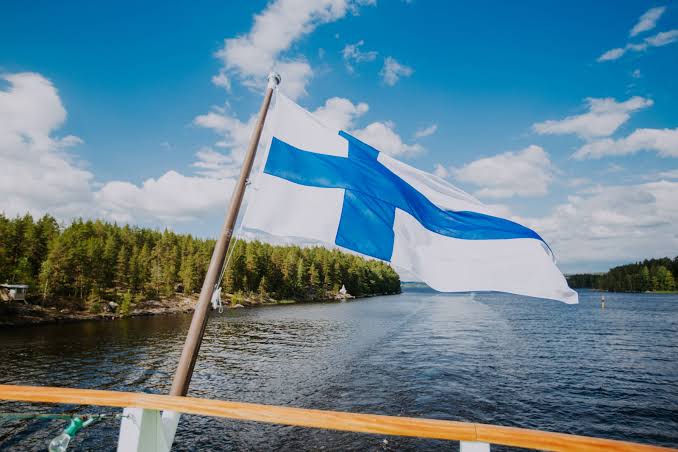
Foreigners planning to work in Finland will have to pay attention to new employment and residence permit rules introduced by the country’s government. The changes affect the types of jobs non-EU nationals can take, employers’ reporting obligations and protections for workers facing serious exploitation.
Finland has introduced new regulations affecting foreigners working in the country, including Nigerians seeking employment opportunities.
The changes followed an amendment to Finland’s Aliens Act, signed into law on October 16, 2026, by President Alexander Stubb and Minister of Labour Matias Marttinen.
The amendment, numbered 912/2026, took effect on October 27, 2026. It introduces changes to Sections 81a and 82 of the country’s Aliens Act, which governs the employment rights and obligations of foreign nationals.
According to the new legislation, non-European Union (EU) nationals must pay attention to the conditions attached to their residence permits before accepting employment.
Here are five important things foreigners planning to work in Finland should know.
1. Your residence permit determines the jobs you can take
One of the major changes concerns the types of employment foreigners can legally undertake in Finland.
Under Section 81a of the amended Aliens Act, the work a foreign national can perform depends on the grounds on which their residence permit was granted.
This means that obtaining permission to live and work in Finland does not automatically allow a foreigner to take every available job.
Applicants and existing workers must understand the employment conditions attached to their specific residence permits before accepting new roles.
2. Employers must report foreign workers within seven days
Finland has introduced a stricter reporting requirement for employers hiring non-EU nationals.
Under Section 82, employers must submit information about newly hired foreign workers to the Finnish Immigration Service.
The information must include the employee’s:
- Employment duration.
- Salary.
- Working hours.
- Applicable collective agreement.
Employers must submit these details electronically through the immigration authority’s designated online portal.
3. Employers have a 10-day deadline in exceptional cases
Although the standard reporting deadline is seven days, the law provides an alternative for exceptional circumstances.
Employers who cannot use the electronic reporting system may submit the required information through a form approved by the Finnish Immigration Service.
In such cases, they have up to 10 days to complete the reporting process.
The provision gives employers an alternative reporting method without removing their responsibility to provide the required employment information.
4. Foreign workers facing serious exploitation receive additional protection
The amendment also introduces an important protection for foreign workers who may be experiencing serious exploitation.
Where there are grounds to suspect that a foreign employee is being subjected to serious exploitation, the period protecting their residence permit from withdrawal is extended by three months beyond the standard timeframe under Section 58a.
The provision is intended to give affected workers additional protection rather than immediately placing their immigration status at risk when exploitation is suspected.
5. The new law affects existing workers and prospective applicants
The changes are relevant to non-EU nationals already working in Finland under residence permits and foreigners planning to seek employment in the country.
Nigerians interested in Finland’s labour market should therefore understand the conditions attached to their permits and the responsibilities employers must fulfil.
The amendment does not announce a ban on Nigerians applying for Finnish work permits. Instead, it clarifies employment rights and strengthens reporting obligations for employers.
Foreign job seekers should also distinguish between receiving a job offer and obtaining the appropriate residence permit that authorises them to undertake that employment.
With the new provisions already in force, understanding the rules is important for anyone planning to work in Finland.