

Nigeria’s $1 Billion Data Centre Bet: What It Means for AI, Jobs and Electricity

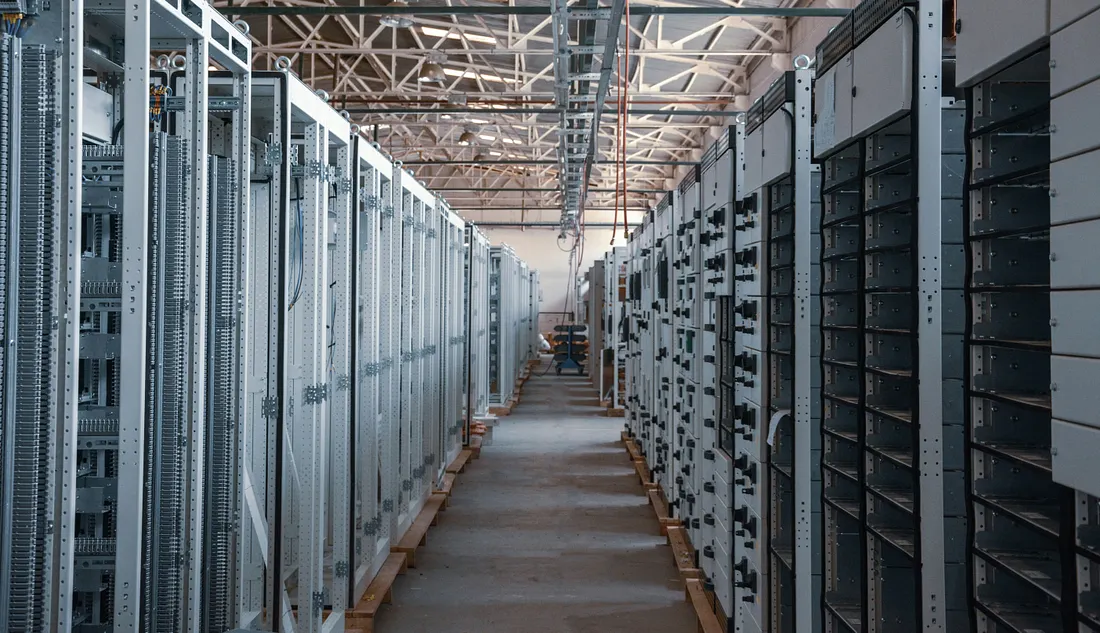
Nigeria is planning two artificial intelligence-ready data centres in a proposed investment worth up to $1 billion. Beyond the headline figure, the project could expand local computing capacity, attract technology businesses and increase pressure on the country’s electricity infrastructure.
Nigeria’s ambition to become a stronger player in artificial intelligence is moving towards a new phase, with plans for two large data centres in Lagos and Delta states.
The proposed facilities, backed by African investment firm INFRAGORA Global Capital, form part of its AFRIDATA Datacenter Platform. According to the United States Trade and Development Agency (USTDA), the agency is funding a feasibility study to assess the technical and financial requirements for developing the centres.
TechCabal reported on October 26, 2026, that the proposed investment could reach $1 billion, with construction targeted to begin in the second quarter of 2027.
However, the project remains at an early stage. Its feasibility, financing and implementation requirements must be assessed before the proposed facilities can become operational.
Here are three areas where the investment could make a difference.
1. More Computing Power for Nigeria’s AI Industry
Artificial intelligence requires substantial computing resources to train models, process information and run applications. These operations depend on specialised hardware, including graphics processing units (GPUs), alongside reliable power and advanced cooling systems.
Data centres provide the physical infrastructure needed to house this equipment and operate computing services at scale.
The proposed INFRAGORA facilities could give Nigerian businesses and technology developers greater access to computing resources within the country. They are also intended to support cloud services, allowing organisations to access computing infrastructure without building their own facilities.
This could benefit financial institutions, telecommunications companies, technology startups and other businesses that rely on data-intensive applications.
However, the facilities’ actual contribution will depend on their eventual capacity, the services offered and whether businesses can afford to use them.
2. Jobs and Opportunities for Technology Businesses
Building and operating large data centres requires expertise in electrical engineering, cooling systems, networking, cybersecurity and facilities management.
The proposed investment could therefore create opportunities for Nigerian professionals and businesses supplying equipment, technical services and infrastructure support.
Local cloud providers and AI developers could also benefit if the centres make computing resources more accessible.
Nevertheless, the number of jobs and the extent of local participation remain uncertain. They will depend on the project’s final design, construction arrangements and operating model.
The USTDA has also identified opportunities for American technology companies supplying computing hardware, cloud infrastructure, networking equipment and cybersecurity solutions.
This means the project could attract international suppliers while creating opportunities for Nigerian firms that can meet its technical requirements.
3. Electricity Could Determine the Project’s Success
Despite the potential benefits, dependable electricity remains one of the biggest requirements for large-scale data centres.
Unlike ordinary offices, these facilities must power servers continuously while maintaining temperatures suitable for sensitive computing equipment. AI workloads can increase electricity demand because specialised processors consume substantial power and generate considerable heat.
Consequently, the proposed centres will need reliable energy supplies, effective cooling systems and resilient backup arrangements.
Nigeria’s power challenges make this particularly important. If electricity supply is unreliable or expensive, operators may face higher running costs and greater difficulty delivering competitive services.
The project’s feasibility assessment will therefore be important in determining how the facilities can secure the power and infrastructure needed for sustained operations.
What Happens Next?
INFRAGORA’s proposed investment represents an opportunity to expand Nigeria’s digital infrastructure, but the announcement alone does not guarantee new computing capacity, jobs or economic growth.
The immediate priority is establishing whether the facilities are technically and commercially viable and securing the financing required for implementation.
If the project progresses successfully, the centres could strengthen Nigeria’s ability to support AI applications, cloud computing and other digital services.
For now, the outcome will depend on whether the proposed investment can move from planning to construction and, ultimately, reliable operations.