

FG ban honorary degree holders from using ‘Dr’ title: New Nigeria policy targets fake Academic honours

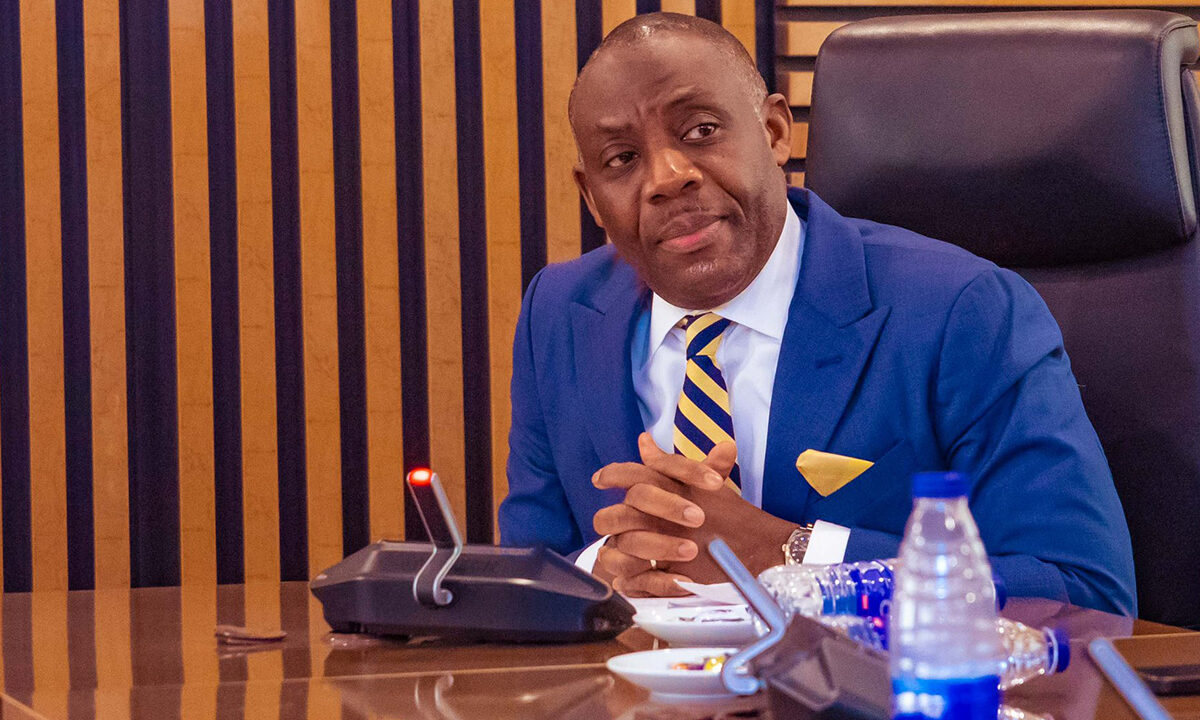
Tunji Alausa
The Federal Government of Nigeria has approved a sweeping new policy aimed at curbing the misuse and politicisation of honorary degrees, including a controversial ban preventing recipients of honorary doctorates from using the title “Dr” in official settings.
The announcement, made by the Minister of Education Tunji Alausa after the Federal Executive Council (FEC) meeting chaired by President Bola Ahmed Tinubu, marks one of the strongest regulatory moves yet to restore credibility to Nigeria’s higher education system.
The policy has already sparked widespread public debate, especially as authorities move to sanction institutions and individuals involved in what the government describes as the “commercialisation” of honorary awards.
FG Introduces Tough Rules on Honorary Degrees in Nigeria
Under the new framework approved by the Federal Executive Council, recipients of honorary degrees can no longer officially parade themselves as “Doctor” unless they possess a legitimate academic doctorate earned through formal study.
According to the government, honorary doctorates are strictly ceremonial recognitions and must not be treated as academic qualifications.
Education Minister Tunji Alausa said the decision became necessary following a “troubling trend” where some tertiary institutions indiscriminately award honorary degrees to politicians, celebrities, and public office holders.
The government also warned that falsely presenting honorary awards as earned academic credentials could amount to academic fraud and attract legal consequences.
Why Nigeria Is Cracking Down on Honorary Doctorate Abuse
For years, honorary doctorate awards in Nigeria have faced criticism over allegations of abuse, political favoritism, and commercialization.
Some universities reportedly awarded honorary degrees to serving government officials and influential personalities with little scrutiny, while recipients frequently adopted the “Dr” title in public and official engagements.
The Federal Government believes the practise has weakened academic standards and damaged the integrity of Nigerian universities.
Alausa noted that attempts to regulate honorary awards date back to 2012 through the Keffi Declaration by Nigerian vice-chancellors, but implementation lacked legal backing until now.
The newly approved policy now gives those recommendations full governmental authority.
Universities Must Get NUC Approval Before Awarding Honorary Degrees
One of the major changes introduced under the policy is that universities must now obtain approval from the Nigeria Universities Commission before conferring honorary doctorate degrees.
The NUC will vet proposed awardees to ensure only deserving individuals are recognised.
The Education Minister further disclosed that universities without accredited PhD programmes will no longer be allowed to award honorary doctorate degrees.
According to him, any institution violating the policy risks sanctions, including disciplinary action against vice-chancellors.
This move is expected to significantly reduce what officials describe as “indiscriminate honorary awards.”
READ ALSO
FG plan to scrap “irrelevant” courses sparks Nationwide outrage as CONUA, experts push back
FG Warns Against Fake ‘Dr’ Titles and Academic Fraud
The government also issued a strong warning to individuals who falsely claim honorary doctorate titles or parade unverified awards.
Authorities said government agencies will begin direct verification of honorary degree claims with awarding institutions.
“If any individual claims an honorary degree that was not duly awarded, such a person can be prosecuted,” Alausa stated.
The policy will also require the Ministry of Education and the NUC to monitor university convocation ceremonies and publish annual lists of legitimate honorary degree recipients.
Media organisations are also expected to cooperate by avoiding improper attribution of academic titles.
Mixed Reactions Trail Nigeria’s Honorary Degree Policy
The decision has generated mixed reactions across Nigeria’s academic and political circles.
Supporters argue that the reforms are necessary to protect educational integrity and stop the growing culture of title abuse.
Others, however, believe the policy may ignite debates over university autonomy and the limits of government regulation in higher education.
Despite concerns, the Federal Government insists that institutional autonomy does not grant universities the right to violate academic standards.
FG Also Approves National Research and Innovation Fund
Beyond the honorary degree reforms, the Federal Executive Council also approved the establishment of a National Research and Innovation Development Fund.
According to the Education Ministry, the initiative aims to generate approximately $500 million annually to strengthen collaboration among academia, research agencies, and industries across Nigeria.
Officials say the fund will support innovation-driven national development and improve research capacity in the country’s education sector.
What the New Policy Means for Nigeria’s Education System
The latest reforms signal a major shift in how honorary degrees will be awarded and recognised in Nigeria.
By restricting misuse of academic titles and tightening oversight on honorary awards, the government hopes to rebuild public confidence in Nigerian universities and promote accountability within the education system.
For many observers, the policy represents a broader attempt to restore professionalism, discipline, and credibility to academic honours in the country.
FAQ
What is Nigeria’s new honorary degree policy?
The Federal Government approved a policy regulating how honorary doctorate degrees are awarded and used, including banning recipients from officially using the “Dr” title unless they earned an academic doctorate.
Can honorary degree holders use the title ‘Dr’ in Nigeria?
No. Under the new policy, honorary doctorate recipients are prohibited from using “Dr” as an official academic title.
Why did the FG ban honorary degree holders from using ‘Dr’?
The government said the move became necessary due to increasing abuse, politicisation, and commercialisation of honorary degrees by some universities and recipients.
Who announced the honorary degree ban in Nigeria?
The announcement was made by Education Minister Tunji Alausa after approval by the Federal Executive Council.
What happens if someone falsely claims an honorary doctorate?
The government says falsely claiming or misrepresenting honorary degrees may amount to academic fraud and could lead to prosecution.
Can all universities award honorary doctorate degrees?
No. Only universities with accredited PhD programmes are now allowed to confer honorary doctorate degrees.
Will universities need approval before awarding honorary degrees?
Yes. Universities must obtain clearance from the National Universities Commission before awarding honorary degrees.
What is the Keffi Declaration?
The Keffi Declaration was a framework developed by Nigerian vice-chancellors in 2012 to curb abuse in honorary degree awards. The new policy now gives it legal backing.
Does the new policy affect university autonomy?
The government says universities still have autonomy, but institutions must operate within national education laws and standards.
When did the new honorary degree policy take effect?
According to the Education Ministry, the policy took effect from April 20, 2026, following FEC approval.