

Deadly Hantavirus outbreak on cruise ship sparks Global panic after multiple deaths

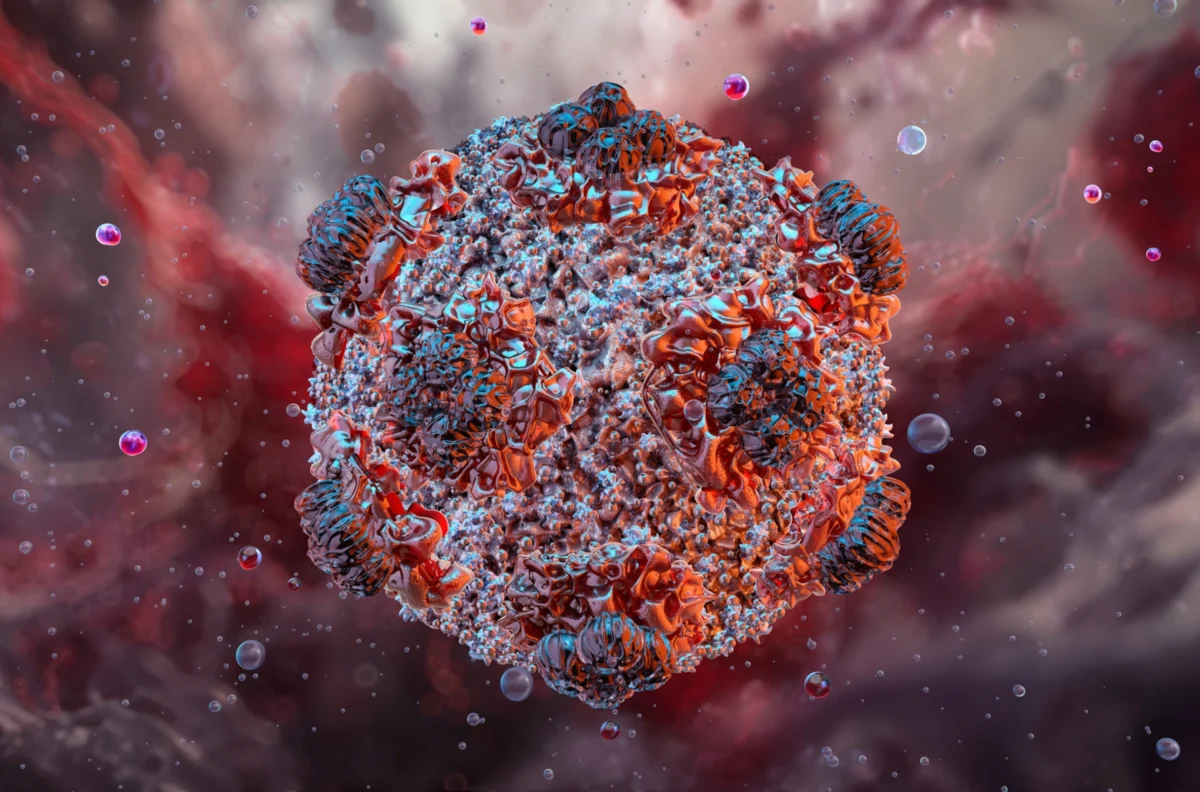
Hantavirus
A deadly hantavirus outbreak linked to the expedition cruise ship MV Hondius has triggered growing international concern after multiple passengers died, several others were evacuated for emergency treatment, and health authorities across Europe, Africa, and the United States launched extensive monitoring and contact-tracing operations.
The unfolding health scare has drawn attention worldwide as officials race to contain potential transmission linked to the vessel, which has been sailing across the South Atlantic following its departure from Argentina.
Authorities confirmed that at least three people connected to the outbreak have died, while multiple suspected and confirmed hantavirus infections are under investigation.
What Happened on the Hantavirus Cruise Ship?
The outbreak aboard the MV Hondius first gained global attention after a passenger died on April 11 while the ship was at sea.
According to cruise operator Oceanwide Expeditions, at least 30 passengers later disembarked the vessel at Saint Helena on April 24, including a 69-year-old Dutch woman whose hantavirus infection was later confirmed.
The woman reportedly became seriously ill after boarding a KLM flight from Johannesburg before being removed from the aircraft due to worsening symptoms. She later died at a hospital in South Africa.
Health officials have since linked additional suspected infections to the voyage, raising concerns about possible human-to-human transmission involving the Andes strain of hantavirus.
Several Countries Monitoring Passengers After Cruise Ship Outbreak
The outbreak has now become an international public health issue, with authorities in several countries tracking passengers who left the ship before it continued toward Spain’s Canary Islands.
Officials in Georgia and Arizona in the United States confirmed they are monitoring returning passengers, although no symptoms have been reported so far.
Meanwhile, two British passengers are self-isolating in the United Kingdom after possible exposure to the virus, according to health authorities.
The also confirmed that a Swiss passenger who had returned to Zurich tested positive for hantavirus and is receiving treatment.
Dutch Flight Attendant Hospitalized After Exposure
Concerns intensified after Dutch officials revealed that a KLM flight attendant who came into contact with the infected Dutch passenger developed symptoms and was hospitalized in Amsterdam for testing and isolation.
The development has heightened fears about secondary transmission, especially because the Andes strain of hantavirus has previously shown the ability to spread between humans in rare circumstances.
Despite growing concern, health officials continue to emphasise that hantavirus spreads very differently from airborne illnesses such as COVID-19 or influenza.
READ ALSO
Nipah Virus explained: Symptoms, death rate, and why India is racing to contain the deadly outbreak
WHO Says Hantavirus Is ‘Not the Next COVID’
The World Health Organisation has urged calm, stressing that the outbreak does not pose the same level of threat as the coronavirus pandemic.
WHO official Tedros Adhanom Ghebreyesus confirmed that eight cases linked to the ship have been identified so far, including confirmed and suspected infections.
Health experts say hantavirus usually spreads through contact with infected rodents, particularly via droppings, urine, or saliva. However, the Andes strain found in some passengers is one of the few known variants capable of limited person-to-person transmission through close physical contact.
Dr. Maria Van Kerkhove of the WHO explained that transmission requires close interaction and is not associated with casual airborne spread.
Cruise Ship Heads to Canary Islands Under Strict Precautions
After remaining anchored near Cape Verde for several days, the MV Hondius is now sailing toward the Canary Islands under strict precautionary measures.
Authorities said 146 people from 23 countries remain aboard the vessel.
Spain’s Health Ministry announced that all passengers will undergo medical assessments upon arrival in Tenerife. International travellers cleared by health officials will be repatriated to their home countries, while Spanish nationals may undergo quarantine procedures.
The President of the Canary Islands, Fernando Clavijo, however, publicly voiced concerns about allowing the vessel into the region, saying authorities needed more information about the outbreak.
What Is Hantavirus and Why Is It Dangerous?
Hantavirus is a rare but potentially deadly viral disease commonly transmitted through exposure to infected rodents.
Symptoms can initially resemble flu-like illnesses, including fever, muscle aches, fatigue, headaches, and breathing difficulties. Severe cases may progress rapidly and lead to hantavirus pulmonary syndrome (HPS), which can be fatal.
Medical experts note that while infections remain rare globally, the mortality rate for severe hantavirus cases can be significant.
The current outbreak has gained unusual attention because of the suspected Andes strain involvement and the international movement of passengers before symptoms were identified.
Global Health Authorities Continue Contact Tracing Efforts
Public health agencies across multiple countries continue to trace contacts linked to infected passengers and crew members.
Authorities are particularly focused on airline passengers, healthcare workers, and close contacts who may have interacted with symptomatic individuals during travel.
While experts insist the wider public risk remains low, the outbreak has reignited discussions about disease monitoring on international cruise ships and rapid-response coordination during cross-border health emergencies.
FAQ
What is hantavirus?
Hantavirus is a rare viral infection primarily spread through contact with infected rodents, especially their urine, saliva, or droppings.
What happened on the MV Hondius cruise ship?
Several passengers aboard the MV Hondius reportedly became infected or were suspected of infection during a voyage, leading to deaths, evacuations, and international health monitoring.
How many people died in the hantavirus cruise ship outbreak?
At least three deaths linked to the outbreak have been reported, although investigations into some cases are ongoing.
Can hantavirus spread from person to person?
Most hantavirus strains do not spread between humans. However, the Andes strain identified in some patients has shown limited human-to-human transmission in close-contact situations.
What are the symptoms of hantavirus?
Symptoms may include fever, muscle pain, headaches, fatigue, coughing, and breathing difficulties. Severe cases can lead to hantavirus pulmonary syndrome.
Is hantavirus similar to COVID-19?
No. Health officials say hantavirus spreads very differently from COVID-19 and does not easily transmit through casual airborne contact.
Why is the WHO monitoring the outbreak?
The World Health Organisation is monitoring the outbreak because passengers travelled internationally before symptoms were confirmed.
Where is the cruise ship now?
The MV Hondius is sailing toward Spain’s Canary Islands under strict health precautions.
Is there a cure for hantavirus?
There is no specific antiviral cure for hantavirus, but early medical care and supportive treatment can improve survival chances.
Should travellers be worried about hantavirus?
Health authorities currently say the overall public risk remains low, but close contacts of infected individuals are being monitored as a precaution.