
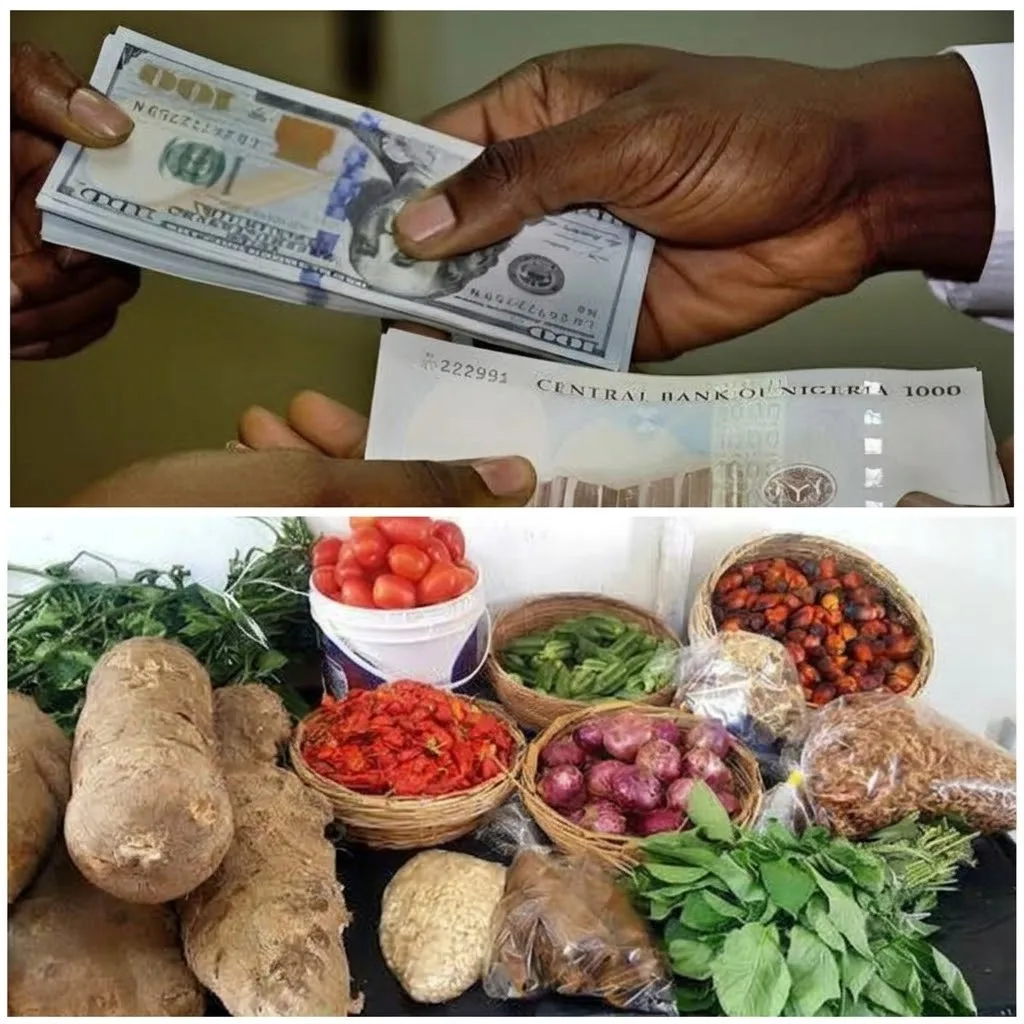
The naira’s latest decline against the dollar and a $680 million drop in Nigeria’s external reserves may sound like developments meant for bankers and investors. However, both figures connect to everyday expenses, including food, imported goods, school fees, travel and business costs.
A Nigerian who needs dollars to pay foreign school fees may have to spend more naira. An importer buying goods abroad could face higher costs. A business that depends on imported materials may also have to review its prices.
These are some of the ways movements in the foreign exchange market can reach ordinary Nigerians.
On Monday, November 23, the naira lost ₦4.28 against the dollar at the Nigerian Foreign Exchange Market (NFEM). The dollar rose to ₦1,394.01 from ₦1,389.73 recorded at the close of trading on Friday.
However, the currency moved in the opposite direction in the parallel market. It gained ₦10 to close at ₦1,445 per dollar, compared with ₦1,455 on Friday.
The mixed performance means the naira did not weaken across both markets. The difference between the official and parallel-market rates also narrowed from ₦66 to ₦51 per dollar.
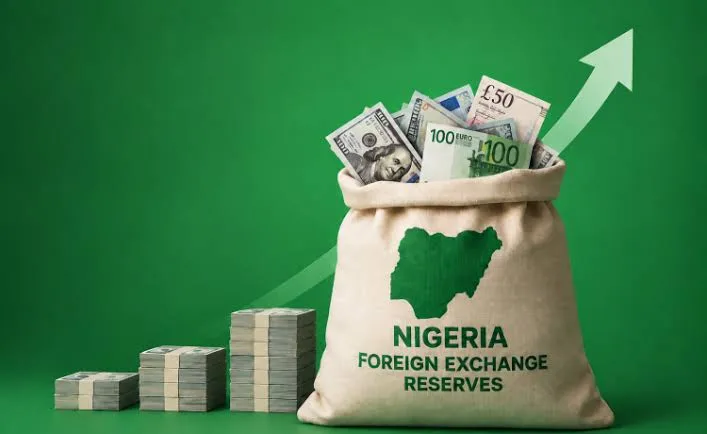
At the same time, Nigeria’s external reserves fell to $54.58 billion as of November 20. The Central Bank of Nigeria’s published figures showed a decline of $680 million, or 1.23 per cent, in two weeks.
Although the reserves remain 23.51 per cent higher than the $44.19 billion recorded during the same period in 2025, the latest reduction has raised questions about the country’s ability to manage pressure on the naira.
The BusinessDay report on the latest market movement also highlighted the pressure on the currency ahead of the CBN’s monetary policy meeting.
Here are eight ways the latest developments could affect Nigerians.
1. Imported food could become more expensive
Nigeria imports some of the food products, ingredients and agricultural inputs consumed across the country. These include products such as wheat, processed foods, specialised ingredients and some food-processing materials.
Importers usually pay foreign suppliers in dollars or other foreign currencies. They then calculate their naira costs using the exchange rate available to them.
For example, an importer who needs $10,000 would require about ₦13.897 million at Monday’s official rate of ₦1,394.01. At Friday’s rate of ₦1,389.73, the same amount would cost about ₦13.854 million.
That is an additional ₦42,800 for the same dollar purchase.
The difference may appear small for one transaction. However, repeated purchases involving larger amounts can increase an importer’s expenses.
Businesses may eventually pass some of those costs to consumers. This could affect the prices of imported food and products made with imported ingredients.
However, Nigerians should not expect every food price to rise immediately. Traders may still have old stock purchased at earlier exchange rates. Local supply, transportation, storage and other expenses also influence prices.
Read also: Nigeria Has a ₦40trn Manufacturing Opportunity. Why Are Local Producers Struggling?
2. Imported household goods may cost more
The exchange rate also affects products such as phones, laptops, televisions, refrigerators, spare parts and other imported household items.
A retailer importing these products needs foreign currency to pay suppliers. If the naira weakens before the retailer makes a new payment, the business may spend more to restock.
This could eventually affect the prices customers see in shops.
The same pressure can affect medicines, medical equipment and some industrial materials. Where local manufacturers depend on imported chemicals, packaging, machinery or spare parts, their production costs may also increase.
The effect will depend on how much of a product’s cost comes from imported materials. A locally made product that uses mostly Nigerian inputs may face less direct pressure than one that depends heavily on imported components.
The experience of the automobile market offers another example. CrispNG’s report on rising prices of used Toyota Corolla models explains how exchange rates, shipping and other import expenses influence the final prices buyers face.
3. Foreign school fees and medical bills could require more naira
Parents with children studying abroad may feel exchange-rate movements more directly.
A university may charge tuition in dollars, pounds or euros. A Nigerian parent must obtain the required foreign currency before paying the institution.
Using the Monday official dollar rate, a $20,000 payment would have a naira equivalent of about ₦27.88 million. At Friday’s rate, it would have been about ₦27.79 million.
That represents a difference of ₦85,600.
The actual amount paid may differ because banks and authorised dealers apply their transaction rates and charges. Also, not every person can obtain foreign currency at the published NFEM rate.
Nigerians seeking medical treatment abroad face a similar challenge. A hospital bill denominated in dollars becomes more expensive in naira when the dollar rises.
For families already saving towards these expenses, even a small exchange-rate movement can affect their budgets.
4. Travelling abroad may become more expensive
Nigerians planning holidays, business trips or visits to relatives abroad also need foreign currency.
They may require dollars for hotel bookings, meals, transport, shopping and other expenses. Some airlines and travel service providers also price their services in foreign currencies.
When the dollar becomes more expensive, travellers need more naira to fund the same spending.
For instance, someone budgeting $2,000 for a trip would need about ₦2.788 million at Monday’s official rate. The same amount would have cost roughly ₦2.779 million on Friday.
This calculation does not include bank charges, travel fees or changes in airline and hotel prices.
The effect may be more noticeable for people who have not yet bought their tickets or exchanged their travel money.
Read also: 8 Travel Mistakes That Can Turn a Cheap Trip Into an Expensive One
5. Small businesses and manufacturers may face higher operating costs
Many Nigerian businesses depend on imported goods or materials, even when they sell their products locally.
A fashion business may import fabrics and accessories. A bakery may depend on imported ingredients or equipment. A manufacturer may need foreign machinery, spare parts and production chemicals.
When the naira weakens, these businesses may spend more to maintain the same level of operations.
Small businesses often have limited room to absorb additional costs. Some may increase prices, reduce the quantity of goods they purchase or delay restocking.
Others may accept lower profit margins to retain customers.
The impact can extend to workers and consumers. A business facing higher costs may slow expansion, reduce spending or postpone plans to employ more people.
However, the latest ₦4.28 movement alone does not mean businesses will immediately increase prices. Their exposure depends on their existing stock, contracts, available foreign currency and other costs.
6. Nigerians receiving dollars from abroad may get more naira when the dollar rises
The exchange-rate movement can benefit some people while creating difficulties for others.
A Nigerian who receives money in dollars from a relative abroad may receive more naira when the dollar appreciates.
For example, $1,000 converted at ₦1,394.01 produces about ₦1.394 million. At ₦1,389.73, the same amount would produce about ₦1.390 million.
That is a difference of roughly ₦4,280.
However, the final amount depends on the exchange rate offered by the bank or money transfer operator. The CBN’s rules also determine how remittance providers process payments.
This means a weaker naira can increase the naira value of dollar income. But it does not necessarily improve the recipient’s purchasing power if food, rent, transport and other expenses also become more expensive.
Read also: No More Dollar Payouts? CBN Orders IMTOs to Switch to Naira Settlement Accounts
7. Borrowing costs could remain high if the CBN worries about inflation and the naira
The CBN’s interest-rate decision is another important part of the story.
The CBN’s Monetary Policy Committee uses interest rates to influence borrowing, spending, inflation and the flow of money in the economy.
When the CBN raises or maintains high interest rates, borrowing can become more expensive for businesses and individuals. Banks may charge more on loans, making it harder for businesses to finance expansion or households to access credit.
The CBN may also consider the naira’s performance when deciding whether to reduce interest rates. A sharp reduction could make naira investments less attractive to some investors, depending on returns and other market conditions.
However, a rate decision does not depend on the exchange rate alone. Inflation, economic growth, liquidity and other developments also matter.
The MPC began its meeting on Monday, November 23, with its monetary policy decision expected on Tuesday, November 24. The CBN’s monetary policy decisions page provides the bank’s previous decisions and policy direction.
Read also: Is ₦300,000 Actually Enough? Testing Nigeria’s New Minimum Wage Demand Against Real Costs
8. Falling reserves could reduce the CBN’s room to support the naira
Nigeria’s external reserves are foreign assets held by the CBN. They include foreign currencies and other reserve assets that help the country meet international payment obligations.
In everyday terms, they are part of the country’s financial buffer for dealing with external payments and pressure on the foreign exchange market.
The reserves are not the same as money sitting in a government account for routine spending. They are also not a personal dollar account that Nigerians can withdraw from.
The CBN can use foreign exchange reserves to supply dollars to the market when it intervenes. Such interventions can help ease shortages and reduce pressure on the naira.
Therefore, a sustained fall in reserves could limit the bank’s room to support the market. However, a $680 million reduction does not prove that the CBN spent the entire amount defending the naira.
Reserves can change for different reasons, including foreign payments, government transactions, inflows and other external obligations. The reported decline alone does not identify how much each factor contributed.
There is also an important point of context. Nigeria still had $54.58 billion in reserves as of November 20. That was higher than the $44.19 billion recorded a year earlier.
The latest fall therefore deserves attention, but it does not mean the country has run out of foreign currency.
The parallel market’s movement tells a different part of the story
Although the naira weakened at the official market on Monday, it strengthened in the parallel market.
The dollar fell from ₦1,455 to ₦1,445 in that segment. This reduced the difference between the two reported rates.
The two markets can move differently because their supply, demand and trading conditions are not identical. A movement in one market does not automatically determine what happens in the other.
This distinction matters to Nigerians who buy dollars outside the official banking system. They should not assume that Monday’s official rate represents the exact amount they will pay through every channel.
The CBN’s foreign exchange framework and the availability of dollars through authorised dealers also influence how individuals and businesses access foreign currency.
CrispNG previously examined the other side of this movement in its report on the naira’s gains against the dollar in September. That report also explained why a stronger naira does not automatically make goods cheaper.
What Nigerians should watch next
The next important development is the CBN’s monetary policy decision and how the foreign exchange market responds.
A single day’s ₦4.28 depreciation does not establish a lasting decline. Similarly, one improvement in the parallel market does not guarantee that the naira will keep strengthening.
Nigerians should watch whether the reserves continue to fall, whether foreign exchange supply improves and whether the gap between the official and parallel markets narrows.
For households and businesses, the practical lesson is to plan foreign-currency expenses carefully. Those with upcoming school fees, travel payments or import bills should account for possible exchange-rate changes.
Ultimately, the figures matter because they influence how much Nigerians pay for goods and services connected to foreign currency. But the full effect will depend on whether the current movements continue and how businesses respond.