

Is ₦300,000 Actually Enough? Testing Nigeria’s New Minimum Wage Demand Against Real Costs

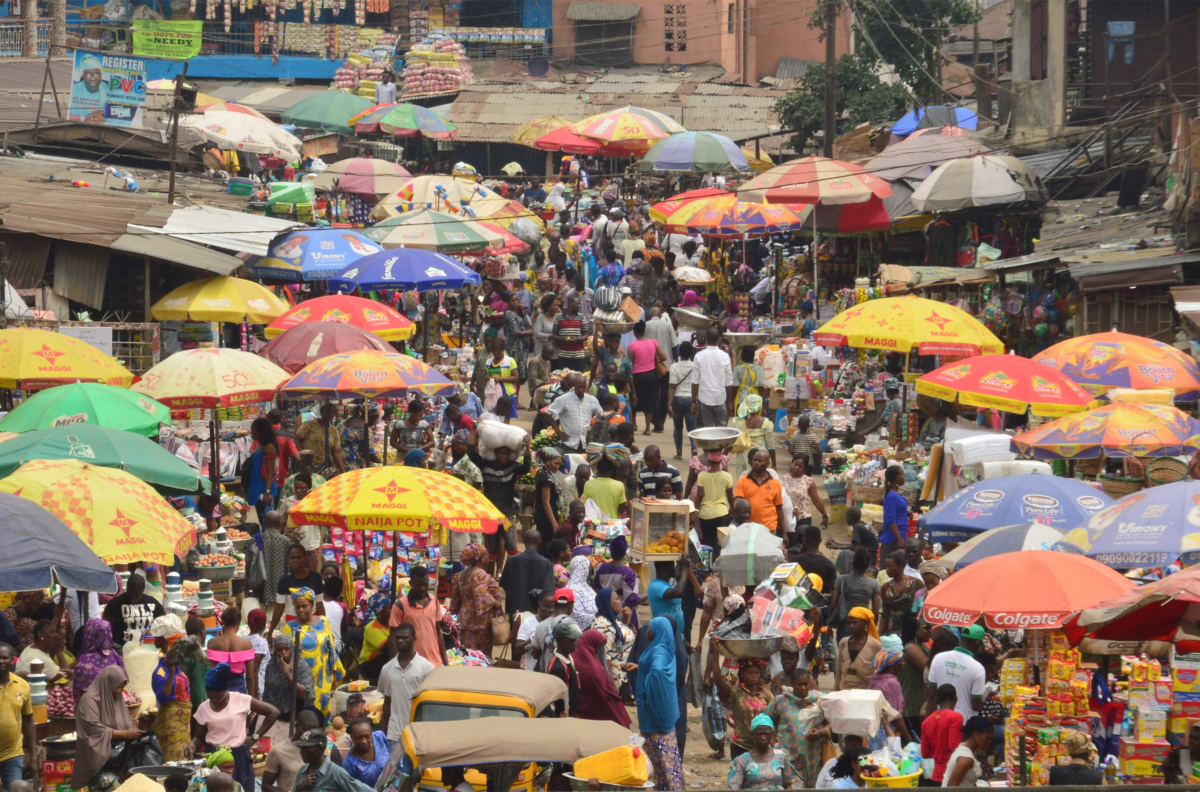
Photo Credit: Plazzaa Guide
The Federal Workers Forum wants Nigeria’s minimum wage raised from ₦70,000 to ₦300,000. On its face, that’s a more than fourfold increase. Measured against what it actually costs to live in Nigeria right now, the number looks less like a wish list and more like an attempt to catch up.
What ₦70,000 Buys Today
Nigeria’s headline inflation stood at 15.91% in June 2026, according to the National Bureau of Statistics, with food inflation running even higher at 17.52%. For a single worker living modestly outside Lagos’s most expensive districts, recent cost estimates put basic food at roughly ₦25,000 to ₦40,000 a month for someone cooking at home, and public transport at ₦25,000 to ₦45,000 a month following recent fare increases. That’s ₦50,000 to ₦85,000 before rent, utilities, or anything else is factored in.
Rent varies enormously by city, but even modest self-contained apartments in mid-tier neighborhoods commonly run ₦40,000 to ₦100,000 a month once annual lump-sum payments are averaged out. Put the low end of food, transport, and rent together, and a single worker’s bare minimum monthly costs already approach or exceed the current ₦70,000 minimum wage, before accounting for electricity, cooking gas, healthcare, or supporting anyone beyond themselves.
Where ₦300,000 Lands
Against that same set of estimates, ₦300,000 comfortably covers a single worker’s food, transport, and modest rent, with room left for utilities and savings. It’s a workable number for someone supporting only themselves.
It gets tighter once a family enters the picture. Crowd-sourced cost estimates for a family of four in Nigeria, compiled by sites like Numbeo, put monthly expenses excluding rent alone at close to ₦2 million, though those figures skew toward urban, often expatriate-inflated spending patterns and shouldn’t be read as a national average. More grounded local estimates suggest a family of four managing carefully, buying local staples and using public transport, can get by on considerably less than that, but still well above what a single ₦300,000 salary stretches to cover once rent and school-related costs are added for a household with children.
The honest answer is that ₦300,000 looks reasonable, even generous, for a single worker’s basic needs, and considerably tighter for anyone supporting a family on that income alone, which describes a large share of Nigeria’s civil service workforce.
The wage request doesn’t exist in a vacuum. The World Bank’s April 2026 Nigeria Development Update put the national poverty rate at 63% in 2025, meaning roughly 140 million Nigerians now live below the poverty line, up from 56% just two years earlier. Separate estimates put the median Nigerian monthly income closer to ₦100,000, well below what current cost-of-living data suggests is needed even for a single person’s basic expenses.
That gap, between what people earn and what covers their costs, is the real backdrop to the Federal Workers Forum’s letter. Their complaint isn’t just that ₦70,000 feels low. It’s that the 2024 minimum wage increase was implemented as a flat ₦40,000 addition regardless of grade level, rather than the fuller consequential adjustment workers say they were promised, leaving many federal employees earning close to the old rate in real terms while prices kept climbing.
So Is ₦300,000 Reasonable?
Based on current cost-of-living data, ₦300,000 sits closer to “adequate for a single earner” than “generous,” and arguably still falls short for anyone supporting a family without a second income. Whether the federal government treats it as a serious economic proposal or a starting position in a longer negotiation is a separate question, but the underlying math suggests workers aren’t reaching for an arbitrary number.