

Lekki-Epe Road Repairs: 5 Things Motorists Should Know About the 35-Day Disruption

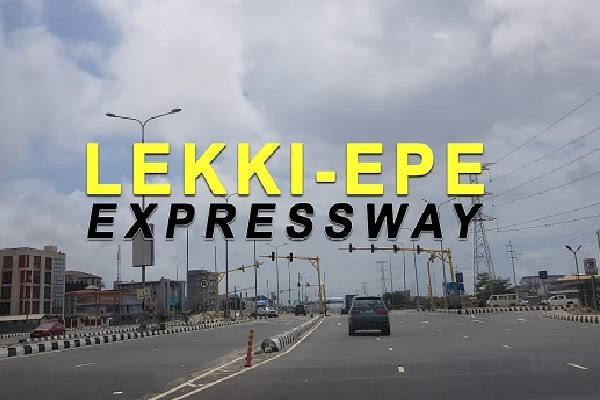
Motorists using the Lekki-Epe Expressway in Lagos should prepare for 35 days of traffic disruption as the state government begins repairs on damaged sections of the busy highway.
The rehabilitation will cover sections from Bonny Camp to Admiralty Way Junction and around Victoria Garden City (VGC) in Eti-Osa Local Government Area.
The Lagos State Government says it will introduce traffic diversions and deploy traffic management personnel to reduce congestion during the work. However, the repairs could affect commuters travelling between residential communities, business districts and industrial centres along the Lekki corridor.
The government has also raised concerns about the theft of road signs, warning that missing signs could make it harder for motorists to navigate diversions safely.
Here are five things motorists should know about the rehabilitation.
1. Lekki-Epe Road Repairs Will Last 35 Days
The Lagos State Government has scheduled 35 days for the latest rehabilitation exercise.
According to The Guardian, the work will target damaged sections of the Eti-Osa-Lekki-Epe Expressway that require attention to improve road conditions and safety.
The Special Adviser to the Governor on Infrastructure, Olufemi Daramola, disclosed the plan during a stakeholders’ engagement organised by the Ministry of Works and Infrastructure.
The government says the work is part of efforts to address the risks associated with deteriorating sections of the highway.
Motorists should plan for possible delays during the construction period. The actual journey time will depend on the pace of work, traffic volume and how effectively officials manage diversions.
The 35-day schedule also means that commuters who use the road daily may need to adjust their travel arrangements temporarily.
2. These Are the Sections Affected by the Repairs
The rehabilitation will cover two key areas of the Lekki-Epe Expressway.
The first stretches from Bonny Camp to Admiralty Way Junction, while the second covers sections around Victoria Garden City.
These locations serve commuters travelling through parts of Victoria Island, Lekki and neighbouring communities.
The expressway is an important route for workers, traders, residents and businesses operating along the Lekki Peninsula. It also connects communities to major commercial and industrial facilities.
The Lekki Deep Sea Port, Lekki Free Zone and Dangote Refinery are among the major economic assets along the wider corridor.
Because of this, roadworks in the area could affect more than private motorists. Commercial vehicles, workers and businesses that depend on the highway may also experience delays.
Motorists should pay attention to announcements from the Lagos State Government and traffic agencies for updates on the exact sections under construction.
3. Traffic Diversions Will Be Introduced
The state government has announced plans to introduce traffic diversions during the rehabilitation.
The arrangements are intended to allow construction work to proceed while keeping the road accessible to motorists.
Officials from the Lagos State Traffic Management Authority (LASTMA) and other relevant agencies are expected to support traffic control during the exercise.
However, diversions can create additional pressure on adjoining roads, particularly during morning and evening rush hours.
Motorists should therefore allow extra time for journeys through the affected areas and follow instructions from traffic officials.
Drivers should also avoid making sudden lane changes around construction zones. Paying attention to temporary signs and road markings will be important as traffic arrangements change.
The government has appealed to residents and businesses along the corridor to cooperate with contractors and traffic management personnel.
4. Lagos Has Raised Concerns About Road Sign Theft
The government has identified road sign theft as another challenge that could complicate the rehabilitation.
Olawale Musa, the permanent secretary of the Lagos State Ministry of Transportation, said the state had repeatedly experienced cases in which installed road signs disappeared within days.
He appealed to residents to help identify people responsible for removing the signs.
The warning is particularly relevant during the rehabilitation because motorists will depend on signs to identify diversions, temporary lane changes and construction areas.
Missing signs could confuse drivers, increase the risk of accidents and make traffic management more difficult.
The government says it will work with residents to identify offenders and deploy traffic management and security personnel during the project.
Motorists should remain alert and follow instructions from authorised officials, especially where construction has changed the normal flow of traffic.
5. What Motorists Should Do During the Rehabilitation
Motorists who regularly use the Lekki-Epe Expressway should take practical steps to reduce the disruption to their journeys.
Allow extra travel time: Traffic may move more slowly around construction zones, particularly during peak periods.
Check official traffic updates: Monitor announcements from the Lagos State Government and LASTMA for information about diversions and changing traffic arrangements.
Follow temporary road signs: Pay attention to directional signs, barriers and instructions from traffic officials.
Avoid unsafe manoeuvres: Do not drive against traffic or make sudden turns to escape queues. Such actions could endanger other road users.
Plan journeys where possible: Commuters may benefit from adjusting departure times or arranging flexible work schedules during the rehabilitation.
Residents and business owners along the corridor should also cooperate with officials to ensure that construction activities proceed safely.
Why the Lekki-Epe Expressway Matters to Lagos
The expressway is one of the major transport corridors serving Lagos’s rapidly expanding Lekki axis.
Residential developments, offices, shopping centres and industrial facilities have increased demand for road infrastructure in the area.
The corridor also supports movement to major economic facilities, making reliable access important for workers and businesses.
However, heavy traffic and deteriorating road sections have continued to create challenges for commuters.
The latest rehabilitation is intended to address damaged portions of the highway. Its success will depend on the quality of the repairs, the effectiveness of traffic management and the government’s ability to keep road users informed throughout the process.
For motorists, the immediate priority is to prepare for possible delays and follow official instructions. For the state government, completing the work safely within the planned timeframe will be an important test of its efforts to improve movement along the Lekki-Epe corridor.