

How do I register to vote? What Americans need to know before the 2026 midterms

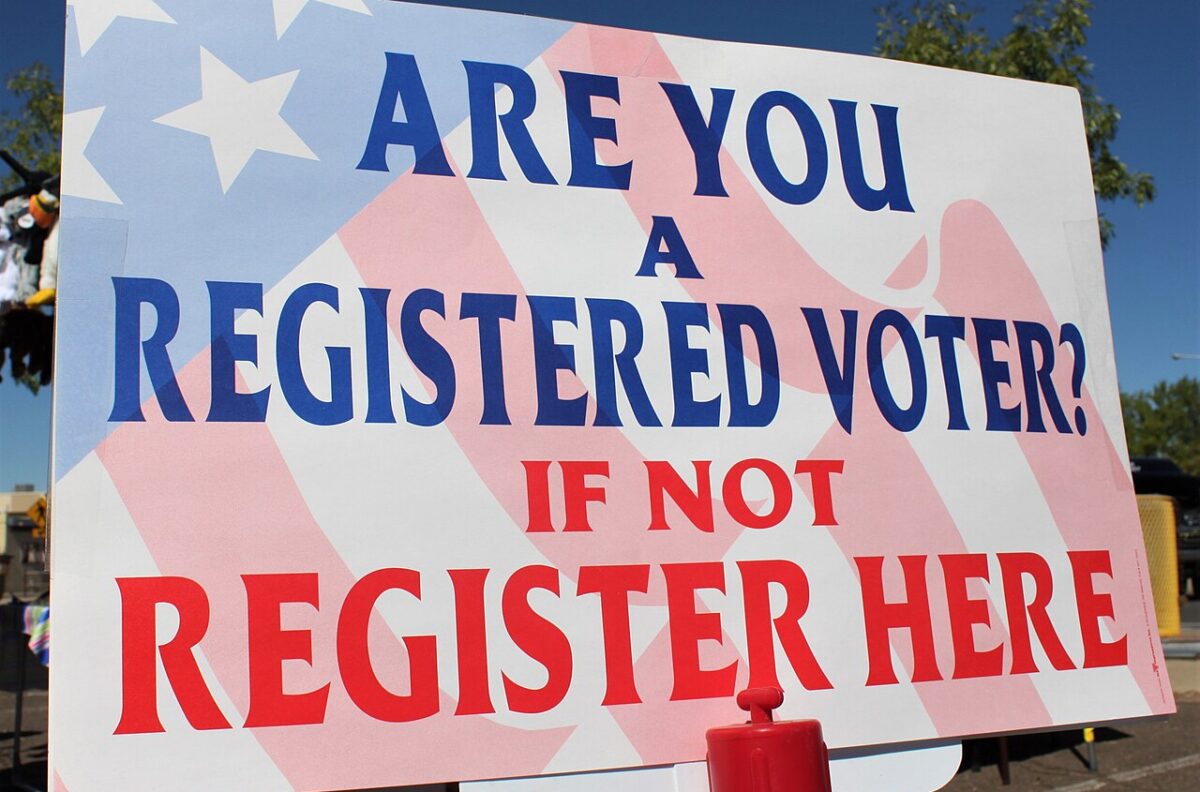
How to register to vote before the 2026 midterms. Credit: Wikimedia
With the 2026 U.S. midterm elections approaching, one of the most searched questions among Americans is straightforward: How do I register to vote?
The question is especially timely on National Voter Registration Day, which falls on September 15 and is designed to encourage eligible Americans to register, update their information and prepare for upcoming elections.
The 2026 midterms will take place on November 3, when voters will decide races for the U.S. House and Senate, along with state and local offices and ballot measures.
For anyone who has never registered, recently moved or is unsure whether their registration is still active, there are several ways to get ready. But there is one important catch: voter registration rules and deadlines are set by individual states, so there is no single registration deadline that applies to every American.
How Do I Register to Vote in the US?
The simplest starting point is Vote.gov, the federal government’s voter information website.
Voters can select their state or territory to find the applicable registration rules, deadlines and official election resources.
Most states allow eligible residents to register online. Depending on where someone lives, registration may also be available by mail or in person at a local election office or another designated government office.
The basic process generally involves providing personal information, confirming eligibility and submitting the registration before the applicable state deadline.
Some states allow people to register on Election Day, while others require registration several weeks before an election.
That difference makes checking the rules in your state important well before November.
Who Can Register to Vote?
Eligibility requirements vary somewhat by state, but voters generally need to be U.S. citizens and meet the age and residency requirements applicable where they live.
A person generally must be at least 18 to vote in a federal general election. Several states allow younger people to preregister before turning 18, while some permit 17-year-olds to participate in certain primary elections if they will be 18 by the general election.
Noncitizens, including permanent legal residents, cannot vote in federal elections. Vote.gov warns that registering to vote before becoming a U.S. citizen can have consequences for an individual’s citizenship application.
State rules can also affect eligibility after certain criminal convictions, depending on where the person lives.
What Do I Need to Register to Vote?
The information required depends on the state.
Applicants may be asked for details such as their name, address, date of birth and identification information. Some states require or request a driver’s license or state identification number.
Americans who do not have a driver’s license can still have other registration options, depending on their state’s rules.
The important point is that there is no universal voter-registration document requirement across all 50 states.
People should check their state’s official election website rather than assuming the rules in another state apply to them.
Can I Register to Vote Online?
Yes, in most states.
Online registration is often the fastest way for eligible voters to submit an application or update their address.
The process varies by state, so voters should start through Vote.gov and follow the link for their state rather than using an unofficial website.
People who have moved should pay particular attention to this step. A change of address can require voters to update their registration or register again in a new state.
What If I Prefer to Register by Mail?
Americans can also use the National Mail Voter Registration Form in most states.
The form can be used to register or update information such as a name or address. After completing it, voters must follow their state’s instructions and send it to the appropriate election office.
There are exceptions to the use of the national form in some states, so applicants should follow the state-specific instructions supplied with it.
Mail registration also requires extra attention to deadlines because the form must reach the appropriate election authority according to that state’s rules.
READ ALSO
Trump mail ballot win: What the Supreme Court ruling means for the 2026 midterm elections
When Is the 2026 Voter Registration Deadline?
There is no nationwide voter registration deadline.
Some states require registration roughly 30 days before Election Day, while others have shorter deadlines or permit registration on Election Day.
That means an American living in California could face a different registration deadline from someone living in Florida, Texas, Michigan or New York.
Anyone planning to vote in November should check their state’s deadline now instead of waiting until Election Day.
How Do I Check If I Am Already Registered to Vote?
People who have registered in the past do not necessarily need to submit a new application.
The first step is to check their current voter registration through their state’s election website.
This is particularly important for people who have moved, changed their name or not voted for a long period.
Vote.gov recommends checking that the registration contains the correct legal name and address. In some circumstances, a registration can also become inactive if election officials have been unable to reach the voter.
Checking early gives voters time to correct problems before Election Day.
Does Registering to Vote Automatically Give Me a Mail-In Ballot?
No.
Voter registration and voting by mail are separate parts of the election process.
Some states automatically send ballots to voters, while others require voters to request an absentee or mail ballot. Requirements vary considerably by state.
The distinction is particularly relevant this year because mail-in voting has become the subject of a major legal battle.
Why Is Mail-In Voting Back in the News?
The Trump administration attempted to introduce new restrictions affecting mail-in ballots ahead of the 2026 midterm elections.
The proposed USPS rules included requirements involving voter lists and specially barcoded envelopes. Federal courts blocked implementation, and the U.S. Supreme Court on September 14 declined to allow the administration to put the restrictions into effect for the upcoming midterms.
The decision means states can continue preparing mail ballots under the existing system for now.
The legal dispute has added another layer to an already intense national debate about voting access, election administration and the role of the federal government in elections.
For voters, however, the practical message remains simple: check your state’s rules rather than relying on national assumptions.
What Happens After I Register?
Registration is only the first step.
Once registered, voters should check their registration status, learn what identification their state requires, find their polling location and review the available voting options.
Depending on the state, voters may have access to early in-person voting, Election Day voting or mail-in voting.
Some states also require voters to register with a political party to participate in certain primary elections.
National Voter Registration Day provides a useful reminder that registration should not be left until the last minute.
With the midterms approaching, voters who have moved, changed their information or never registered before have time to get their records in order.
Frequently Asked Questions About Registering to Vote
How do I register to vote in 2026?
Start at Vote.gov and select your state. You can then find your state’s official registration process, deadline and available online, mail or in-person options.
When is the voter registration deadline for the 2026 election?
There is no single national deadline. Each state sets its own rules. Some deadlines fall weeks before Election Day, while some states allow eligible voters to register on Election Day.
What is National Voter Registration Day?
National Voter Registration Day is an annual nonpartisan effort encouraging Americans to register to vote, update their information and prepare for upcoming elections. In 2026, it falls on September 15.
Can I register to vote online?
Most states offer online voter registration. Availability and requirements vary by state.
Can I register to vote by mail?
Yes, depending on your state’s rules. The National Mail Voter Registration Form can be used in most states, but applicants must follow state-specific instructions.
Can I register to vote on Election Day?
In some states, yes. Other states require registration before Election Day. Check your state’s deadline before assuming same-day registration is available.
Do I need a driver’s license to register to vote?
Not necessarily. Identification requirements vary by state, and people without a driver’s license may have other registration options.
What happens if I moved to another state?
You generally need to register in your new state. You should also check your registration after moving to make sure your address is correct.
Can noncitizens register to vote?
Noncitizens cannot vote in federal elections. Permanent legal residents are also not eligible to vote in federal elections.
Can Americans living abroad vote?
U.S. citizens living outside the country may be able to register and vote in U.S. elections. The Federal Post Card Application can be used by eligible Americans abroad to register and request an absentee ballot.
How do I know if I am already registered?
Check your registration through your state’s official election website. This is particularly important if you have moved, changed your name or have not voted recently.
The Bottom Line for 2026 Voters
The question “How do I register to vote?” comes at an important moment in the U.S. election calendar.
National Voter Registration Day is putting registration back in the spotlight, while the approaching midterms and the latest court fight over mail voting are making election rules a major national issue.
The biggest mistake voters can make is assuming that every state follows the same rules.
Registration deadlines, identification requirements, mail voting procedures and Election Day registration all vary by state.
For Americans who want to participate in the November 3 midterms, the safest move is to check their registration and state-specific requirements now rather than waiting until the final days before voting.