

Iran’s seven-tanker claim is unverified as IMO logs 120 shipping incidents

Published: 22 October 2026
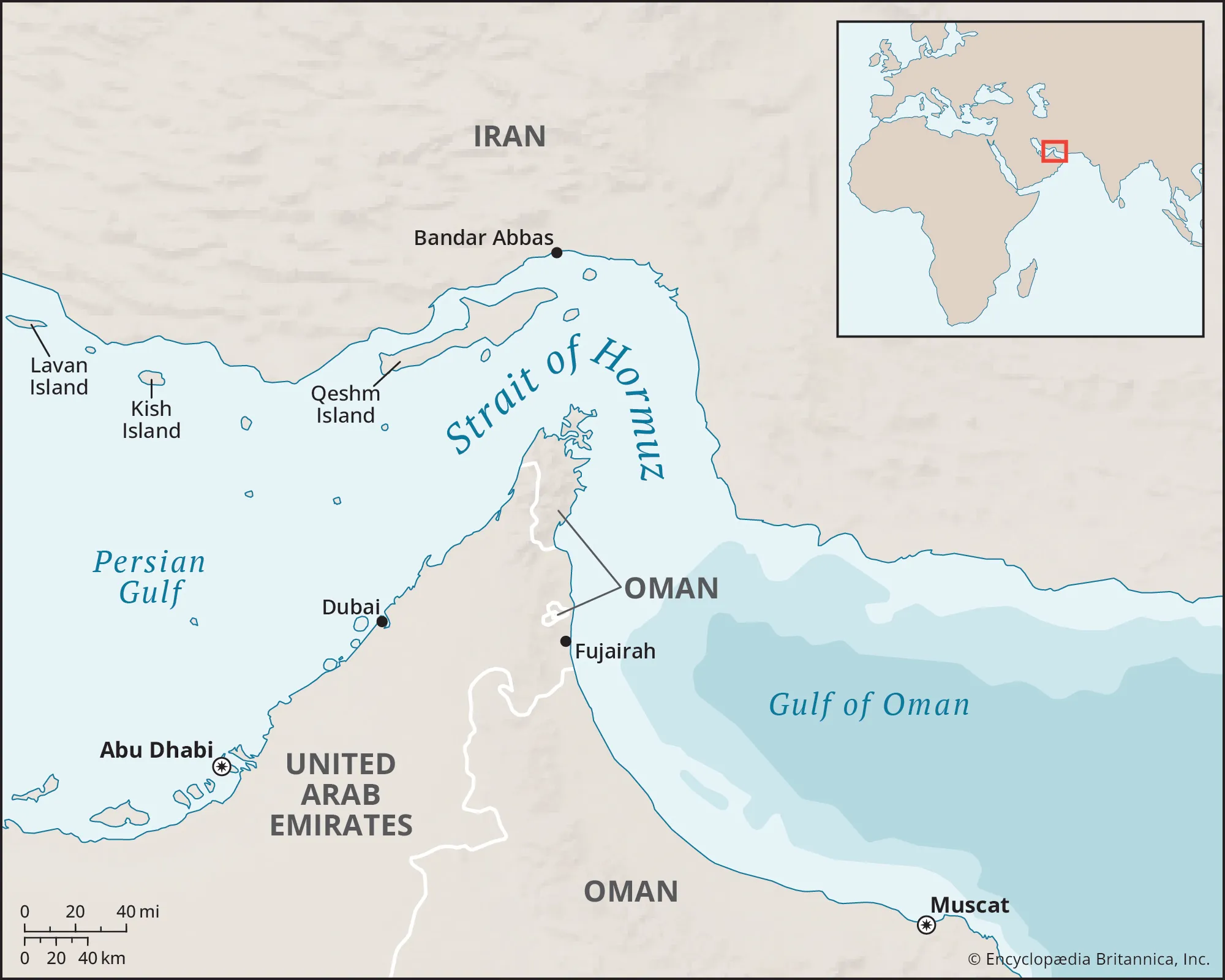
Iranian state television says seven oil tankers were damaged overnight in the Strait of Hormuz. The claim would mark an exceptional single night of vessel damage, but it has not been independently confirmed. The International Maritime Organization (IMO) separately reports 120 confirmed shipping incidents across the Strait and wider Middle East since the conflict began, underscoring that the safety crisis is established even while the latest figure remains uncertain.
What Iran reported — and what is still unknown
Iran’s state broadcaster, citing a statement from the Islamic Revolutionary Guard Corps Navy, said four tankers caught fire after being targeted while transferring oil and three others were damaged and immobilised after hitting naval mines. The report did not identify the vessels or their flags, or give details of casualties.
The Associated Press said it could not independently verify the report. That distinction matters: the seven-ship figure and the cause of each incident remain an Iranian military claim, not a confirmed count. No ship-by-ship evidence was presented in the report.
What the IMO’s 120-incident tally establishes
The IMO’s latest incident page, updated to 22 October, lists 120 confirmed incidents and 24 seafarer fatalities in the Strait of Hormuz and surrounding Middle Eastern waters. Its detailed entries include two vessels reported damaged on 20 October, a ship sunk on 13 October and an injured seafarer on 18 October. The list’s newest dated entries are 20 October; it does not identify seven tankers from the overnight report.
The IMO total is a confirmed regional incident count, not a confirmation of Iran’s account and not a tally of seven new tanker attacks. Its published table provides named vessels and specific damage, casualty or pollution details for individual entries. That record allows readers to separate documented harm from claims that still need corroboration.
Why shipping risk matters even as oil flows have fallen
The Strait remains a critical export route, but traffic and oil volumes have already been disrupted. The U.S. Energy Information Administration estimated that crude oil and petroleum liquids passing through Hormuz averaged 4.9 million barrels a day in the second quarter of 2026, down from 21.6 million barrels a day in the final quarter of 2025 before the conflict began.
In its October outlook, the agency said heightened tanker risk had added to shipping costs and oil-price risk premiums, while insurance costs and longer detours limited available vessels. This is why a verified attack can matter beyond the ships directly affected: delays and higher transport costs can feed through to energy markets. The EIA’s market outlook is an assessment, not a guarantee of future prices, and it does not establish that the unverified seven-tanker claim changed prices.
Illustrative photo by Venti Views via Unsplash; it does not depict a vessel involved in the reported incidents.
For background on how route changes affect the region, see CrispNG’s analysis of Hormuz shipping data and alternative Omani routes and what a Strait of Hormuz closure could mean for global oil flows.
What to watch next
Independent confirmation would require more detail: ship names or identification numbers, locations, operator or flag-state statements, casualty reports and updates from maritime security monitors. Until those details emerge, the defensible reading is that Iran has made a serious claim against a backdrop of extensive, officially recorded maritime incidents — while the number of vessels affected overnight remains unresolved.
Sources
Associated Press report on Iran’s seven-tanker claim · IMO confirmed incident register · U.S. Energy Information Administration, October 2026 Short-Term Energy Outlook · UK Maritime Trade Operations incident updates