

OPPO Find X10 Pro Max: 5 Things to Know About the Phone With Three 200MP Cameras

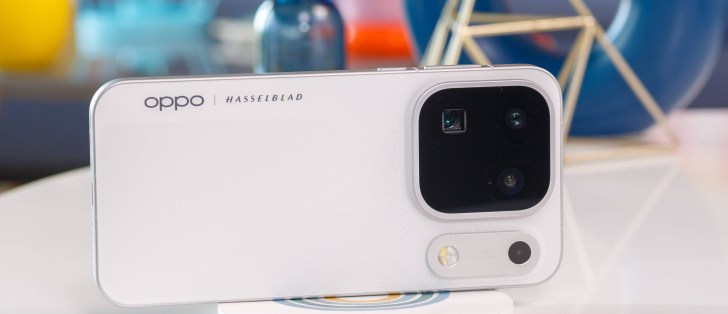
OPPO Find X10 Pro Max has arrived with a camera system that pushes smartphone photography into new territory. The flagship smartphone features three 200-megapixel rear cameras, giving the main, ultra-wide and telephoto lenses the same headline resolution.
Announced globally on October 21, 2026, the phone targets users who want detailed photographs, flexible zoom options and advanced video recording in one device. However, its appeal goes beyond the megapixel count.
Here are five things to know about the OPPO Find X10 Pro Max and what its camera technology offers.
1. It has three 200MP rear cameras
The most significant feature of the OPPO Find X10 Pro Max is its triple 200MP camera system, which OPPO developed with Hasselblad.
The system comprises a 200MP main camera, a 200MP ultra-wide camera and a 200MP telephoto camera.
Each lens serves a different purpose. The main camera handles everyday photographs, while the ultra-wide camera captures more of a scene. The telephoto camera, meanwhile, brings distant subjects closer and supports close-up photography.
This arrangement gives users high-resolution options across three different shooting perspectives. They can photograph landscapes, portraits and distant subjects without relying on a single high-resolution sensor.
According to OPPO, the Find X10 Pro Max is the first smartphone to feature three 200MP rear cameras.
2. The ultra-wide camera captures expansive scenes
Ultra-wide cameras are useful when a standard lens cannot fit an entire scene into the frame. They help photographers capture landscapes, architecture, group photographs and other subjects that require a broader view.
The OPPO Find X10 Pro Max features a 200MP ultra-wide camera with a 124-degree field of view.
Its large 1/1.56-inch sensor is designed to capture more light than the previous generation. The camera also supports autofocus, which expands its usefulness beyond conventional wide-angle photography.
For users, the combination of high resolution and a broad field of view could make it easier to capture expansive scenes while retaining fine details.
However, the actual results will still depend on lighting, image processing and the photographer’s technique. A higher megapixel count alone does not guarantee better photographs.
3. The telephoto camera handles zoom and close-ups
The third camera is a 200MP telephoto lens designed for photographing subjects from a distance.
It features an f/2.1 aperture and a minimum focusing distance of 10cm. This allows it to serve as a telemacro camera, bringing small subjects into focus at close range.
Users could employ this combination to photograph details on objects, flowers and other subjects that benefit from magnification.
OPPO also offers an optional Hasselblad teleconverter accessory. The company says the accessory provides 3.28x optical magnification, extending the camera’s capabilities for subjects such as concert performers, cityscapes and wildlife.
The accessory is particularly relevant to photography enthusiasts who want additional reach. However, buyers should distinguish between the phone’s built-in camera capabilities and features that require an extra purchase.
4. It supports 8K video recording across all three rear cameras
The camera system is not limited to still photography.
OPPO says all three rear cameras on the Find X10 Pro Max support 8K video recording at 30 frames per second. They also support 4K recording at 60fps and 120fps.
This gives content creators more flexibility when recording videos from different perspectives.
For example, a creator could use the main camera for standard footage, switch to the ultra-wide lens for a broader view and use the telephoto camera for distant subjects.
The phone also incorporates DeepPix technology into its main camera. OPPO says the technology enables up to 17 stops of dynamic range, helping preserve details in bright highlights and darker areas of a scene.
These features could appeal to mobile filmmakers and social media creators who want greater control over their footage without carrying a dedicated camera for every task.
5. Its performance and battery support the camera ambitions
A powerful camera system is only part of the smartphone experience. Processing performance, display quality and battery life also matter, particularly for people who frequently capture and edit photographs and videos.
The OPPO Find X10 Pro Max runs on MediaTek’s Dimensity 9600 Pro chipset and features a 144Hz OLED display.
The device also includes an 8,000mAh battery, according to OPPO’s global product announcement, alongside support for 80W wired charging and 50W wireless charging.
The combination of a large battery and flagship processor is intended to support demanding everyday tasks, including photography, video recording and editing.
However, actual battery life will vary depending on usage. Recording high-resolution video, using demanding applications and keeping the display at a high refresh rate can all affect power consumption.
What the triple 200MP camera system means
The OPPO Find X10 Pro Max represents a shift towards offering high-resolution photography across multiple camera types rather than concentrating most of the resolution in the main sensor.
Its three 200MP cameras give users greater flexibility when switching between standard, ultra-wide and telephoto photography. Its video capabilities also extend that flexibility to content creation.
Nevertheless, megapixels are only one part of image quality. Sensor size, lens quality, stabilisation, lighting and software processing all influence the final result.
For prospective buyers, the key question is whether these features justify choosing the phone over competing flagship devices. The answer will depend on their photography needs, budget and preference for a camera-focused smartphone.