

What the EU’s ICC award changes — and what it cannot do about US sanctions

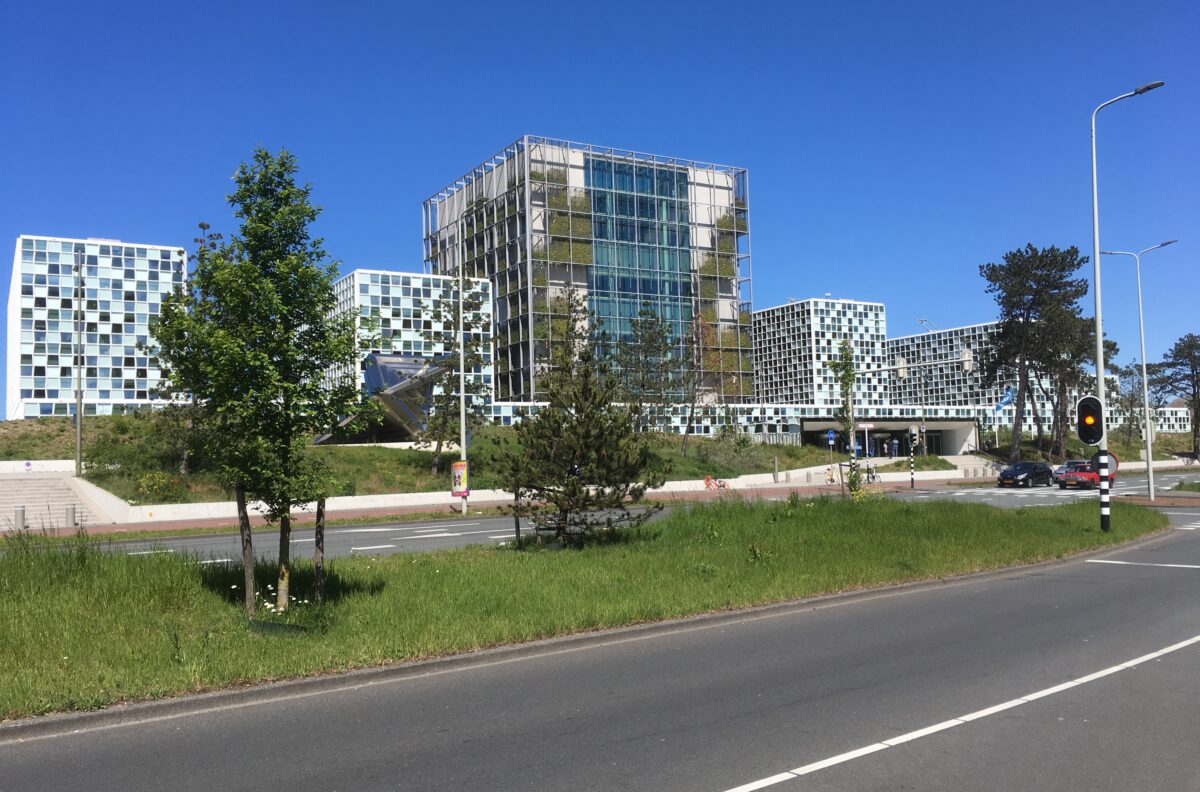
ICC headquarters in The Hague, photographed in 2019. Photo: OSeveno / Wikimedia Commons, CC BY-SA 3.0.
The EU Sakharov Prize for Freedom of Thought has gone to the International Criminal Court (ICC) and its officials. The European Parliament announced the decision on 22 October. The recognition puts the court’s role in the spotlight. US sanctions have raised questions about whether it can keep essential services running. However, the award does not change US policy or give the court a legal shield.
What the EU Sakharov Prize recognises
The Parliament’s Conference of Presidents selected the ICC and its officials. Moreover, the prize is the Parliament’s leading human-rights award, and the presentation is due during the December plenary session. Even so, it recognises the court’s work; it does not decide any ICC case.
The EU Sakharov Prize is a public statement by a European institution. For example, it can raise visibility and signal political support from European lawmakers. In practice, that signal differs from a court order, treaty amendment or sanctions waiver.
Why the sanctions question is practical
The ICC has publicly rejected US sanctions against the institution. Separately, its Trust Fund for Victims says sanctions may disrupt financial channels, services and partnerships. In turn, these are needed for reparations and assistance. The warning identifies a risk. However, it does not show that every programme has stopped or that the court has ceased operating.
At the same time, a sanctions measure can affect outside organisations and services an institution relies on, even while its legal mandate remains in place. Meanwhile, the Trust Fund says it is working to keep its programmes going. For now, the effect on day-to-day work and victim support remains unclear. It will depend on available services and partners’ responses.
What the EU prize can — and cannot — do
The award could make it harder for critics to portray the ICC as isolated. Furthermore, it may keep attention on sanctions’ effects for the court and people seeking remedies through victim-support work. Those are political effects, not direct operational fixes.
In addition, the Parliament’s announcement does not set out a US sanctions exemption. Nor does it require banks or technology providers to serve the ICC or guarantee replacement funding. As a result, the prize cannot restore a financial channel by itself. It cannot ensure that a particular provider remains available. Governments, companies, institutions or legal processes would need to change those conditions.
For background on the wider US policy toward the court, read our explainer on the Trump administration’s ICC policy.
What to watch next
Finally, the next checkpoints include the December ceremony and clearer evidence about any disruption to services or victim programmes. Readers should distinguish the ICC’s and Trust Fund’s stated concerns from confirmed interruptions. Therefore, the latter require separate evidence.
Nevertheless, the EU’s message is clear: it backs the ICC’s role in international justice. However, whether that support helps preserve the practical systems the court needs is another test.

Sources
- European Parliament President: 2026 Sakharov Prize awarded to the ICC and its officials
- European Parliament: how the Sakharov Prize works
- International Criminal Court: response to US sanctions against the institution
- ICC Trust Fund for Victims: statement on sanctions and programme delivery
- Associated Press: report on the award
Featured image: International Criminal Court building, The Hague, photographed in 2019. Photo: OSeveno / Wikimedia Commons, CC BY-SA 3.0. Image source · Licence.
