

Ebola Is Spreading in Congo: What You Need to Know About the Outbreak

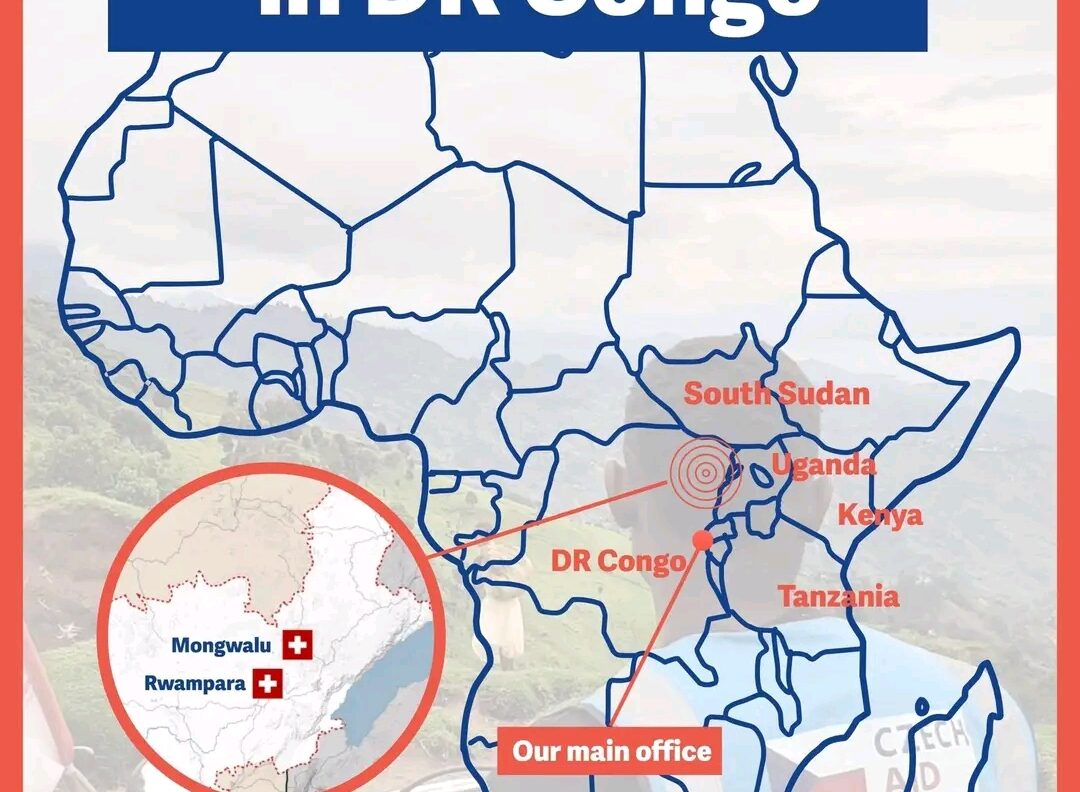
A new Ebola outbreak in the Democratic Republic of the Congo has continued to expand, with more than 6,700 confirmed cases and over 3,200 deaths recorded since the disease was first detected in May 2026.
The outbreak is being caused by the Bundibugyo virus, a species of Ebola that is different from the Zaire ebolavirus responsible for the 2014–2016 West Africa outbreak.
According to the World Health Organisation (WHO), the outbreak had spread to 61 health zones across six provinces in the Democratic Republic of the Congo as of September 7.
The WHO said 6,757 confirmed cases and 3,267 deaths had been recorded in the country, giving the outbreak a crude case fatality ratio of 48.3 per cent.
But what exactly is Bundibugyo Ebola, how does it spread and how much of a threat does the outbreak pose to other African countries?
What is Bundibugyo Ebola?
Bundibugyo virus disease is a severe form of Ebola disease caused by the Bundibugyo virus, one of the species within the Orthoebolavirus group.
The virus is believed to have a natural reservoir in fruit bats. Humans can become infected through close contact with infected wildlife, including bats and non-human primates.
Once the virus enters the human population, it can spread through direct contact with the blood, secretions, organs or other bodily fluids of an infected person.
Contaminated materials and surfaces can also contribute to transmission.
The virus can spread particularly quickly in healthcare settings where infection prevention and control measures are inadequate. Unsafe burial practices can also increase transmission because people may come into direct contact with the bodies of infected people who have died.
How serious is the current outbreak?
The scale of the current outbreak has made it the largest Ebola disease outbreak ever recorded in the Democratic Republic of the Congo, regardless of the Ebola species involved.
WHO said cases had been reported in 61 health zones across six provinces by September 7.
Ituri remains the epicentre, with 5,406 confirmed cases since the beginning of the outbreak. North Kivu follows with 1,066 cases.
The outbreak has also continued to expand geographically. Kayna health zone in North Kivu became the latest affected area.
Of the 61 affected health zones, 51 had reported at least one case during the 21 days preceding September 7, indicating that transmission remains active across a large part of the affected region.
Why is the death rate so high?
WHO puts the current crude case fatality ratio at 48.3 per cent in the Democratic Republic of the Congo.
That does not mean that roughly half of every person infected will necessarily die, because the figure can change as patients recover and more cases are identified. It does, however, illustrate the seriousness of the outbreak.
WHO said delayed detection, limited access to early and adequate treatment and difficulties interrupting transmission are contributing to the challenge.
North Kivu has recorded an even higher case fatality ratio of 65.4 per cent, although investigations are ongoing to determine the factors behind the elevated mortality in the province.
The humanitarian situation is making the response more difficult.
WHO said the outbreak is occurring amid insecurity, armed conflict and population displacement. More than 26 million people in the country are experiencing acute food insecurity, while about one million internally displaced people are living in Ituri province alone.
These conditions can make it harder for health workers to reach communities, trace contacts and detect cases early.
Can Bundibugyo Ebola spread to other countries?
Yes.
WHO said the continuing transmission in the Democratic Republic of the Congo creates a risk of cross-border spread.
As of September 7, a total of 6,778 confirmed cases had been reported across the affected countries and territories: 6,757 in the Democratic Republic of the Congo, 20 in Uganda and one in France.
WHO said health screening and surveillance were operating at airports, ports and official land borders, although movement through informal crossing points could facilitate the movement of the virus between countries.
However, WHO’s assessment does not put all African countries at the same level of risk.
The organisation has classified the risk as very high in the Democratic Republic of the Congo, high for countries sharing land borders with it, and low for the rest of Africa and globally.
WHO is also not recommending travel or trade restrictions against affected countries.
Is there a vaccine for this Ebola virus?
This is one of the major differences between the current outbreak and some previous Ebola outbreaks.
Although Ervebo, the licensed Ebola vaccine, is being used among healthcare and frontline workers in the current response, WHO says there is not enough evidence to establish that it protects against Bundibugyo virus.
Ervebo was developed for the Zaire ebolavirus and its effectiveness against Bundibugyo virus in humans remains unknown.
WHO therefore recommends that Ervebo be used against Bundibugyo disease only within a research protocol.
As of September 6, 2,007 healthcare and frontline workers had been vaccinated across six health zones in three provinces of the Democratic Republic of the Congo.
Are there treatments?
There is currently no approved specific treatment for Bundibugyo virus disease.
However, clinical research is underway.
WHO said the PARTNERS clinical trial began enrolling patients in July and was operating in five clinical management facilities in Ituri. More than 300 confirmed patients had been enrolled as of the latest WHO update.
For now, outbreak control depends heavily on early identification of cases, isolation, supportive medical care, contact tracing, safe burials, infection prevention and community engagement.
What are the symptoms?
The incubation period for Bundibugyo virus disease ranges from two to 21 days.
People infected with the virus are not considered infectious before symptoms begin.
Early symptoms can include fever, fatigue, muscle pain, headache and sore throat. These symptoms can resemble other illnesses, including malaria, making laboratory testing important for confirmation.
As the disease progresses, patients can develop gastrointestinal symptoms, organ dysfunction and, in some cases, haemorrhagic manifestations.
What does this mean for the rest of Africa?
The current outbreak is a reminder that the risk posed by Ebola is not limited to the communities where transmission begins.
The Democratic Republic of the Congo shares borders with several countries, and WHO has identified cross-border movement as one of the factors that could facilitate further spread.
For countries farther away, including those elsewhere in Africa, WHO currently assesses the risk as low.
The focus therefore remains on surveillance, preparedness, rapid detection and coordination between countries rather than restrictions on international travel or trade.
For Nigeria and other countries outside the immediate neighbourhood of the outbreak, the WHO assessment does not indicate that the country is facing the same level of risk as the Democratic Republic of the Congo or its land neighbours. However, the continued expansion of the outbreak explains why public health authorities continue to monitor Ebola and other infectious diseases closely.
The outbreak also highlights a broader challenge: containing Ebola is not only about having vaccines or medicines. Early diagnosis, access to healthcare, infection control, contact tracing and the ability to reach displaced or insecure communities can determine how quickly transmission is brought under control.