

10 Hidden Travel Costs That Can Drain Your Budget Fast

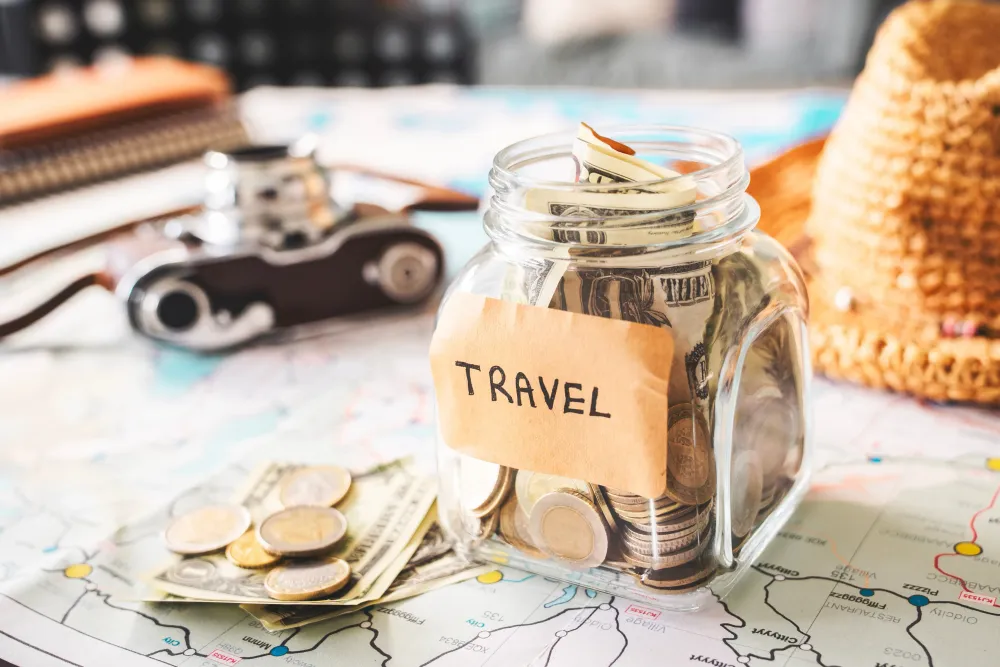
Hidden travel costs can quickly increase your trip budget. Image Credit: Adobe Stock | sebra
Traveling can be exciting and enriching, but many travellers underestimate the true cost of a trip. While flights and accommodation are usually factored into budgets, hidden travel expenses often catch people off guard, leading to overspending and financial stress.
Industry experts say these overlooked costs can significantly increase total travel expenses if not planned for in advance. From unexpected fees to daily spending habits, understanding these hidden charges is essential for smart travel planning and financial control.
Here are 10 hidden travel costs most people don’t plan for.
1. Airline Baggage and Seat Selection Fees
Budget airlines often advertise low fares, but additional charges for baggage, seat selection, and priority boarding can quickly add up.
Travelers who fail to review airline policies may end up paying significantly more than expected.
2. Currency Exchange and Foreign Transaction Charges
Exchanging money at airports or using cards abroad often comes with hidden fees. Banks and payment providers may charge foreign transaction fees, which can accumulate over time.
Using travel-friendly cards or exchanging currency in advance can help reduce these costs.
3. Local Transportation Expenses
While flights may be budgeted, local transport costs, including taxis, ride-hailing services, buses, and trains, are often underestimated.
Daily commuting between attractions, restaurants, and accommodations can significantly impact overall spending.
4. Travel Insurance Costs
Travel insurance is essential but often overlooked in initial budgets. It covers unexpected situations such as medical emergencies, trip cancellations, or lost luggage.
Skipping insurance may save money upfront but can lead to higher financial risks later.
5. Food and Dining Beyond Expectations
Dining costs can exceed expectations, especially in tourist-heavy locations. Frequent eating out, tipping, and trying local cuisines can quickly increase expenses.
Planning a mix of dining options can help maintain a balanced budget.
READ ALSO
10 Powerful Travel Routines That Support Better Health
7 Surprising Ways Local Markets Reveal a Culture Better Than Any Travel Guide
6. Tourist Taxes and Service Charges
Many destinations impose tourist taxes or service fees on accommodations, attractions, or services. These charges are sometimes not included in the initial booking price.
Travelers should check for additional taxes when booking hotels or experiences.
7. Attraction and Activity Fees
Entrance fees for museums, parks, guided tours, and entertainment activities can add up quickly.
While individual costs may seem small, multiple activities over several days can significantly impact the total travel budget.
8. Roaming and Internet Charges
Using mobile data abroad without proper planning can result in high roaming charges. Even short usage periods can lead to unexpected costs.
Opting for local SIM cards or Wi-Fi access can help reduce expenses.
9. Tips and Gratuities
In many countries, tipping is expected in restaurants, hotels, and for services such as guides or drivers.
These small but frequent expenses can accumulate, especially during longer trips.
10. Emergency and Unexpected Expenses
Unexpected costs such as medical needs, lost items, or last-minute changes can arise during travel.
Setting aside an emergency fund ensures travelers are prepared for unforeseen situations.
Why Planning for Hidden Costs Matters
Experts emphasize that realistic budgeting is key to stress-free travel. Hidden costs can turn an affordable trip into an expensive one if not anticipated.
By identifying and preparing for these expenses, travelers can make informed decisions, avoid financial surprises, and enjoy their trips with greater peace of mind.
FAQ
1. What are hidden travel costs?
Hidden travel costs are unexpected expenses not included in initial budgets, such as fees, taxes, and daily spending.
2. Why do travel costs often exceed budgets?
Many travelers overlook additional expenses like transportation, dining, and service charges, leading to overspending.
3. How can I avoid hidden travel expenses?
Research thoroughly, review booking details, and create a detailed budget that includes potential extra costs.
4. Is travel insurance necessary?
Yes. It protects against unexpected situations like medical emergencies or trip cancellations.
5. How much extra should I budget for hidden costs?
Experts recommend adding 10–20% of your total budget for unforeseen expenses.
6. Are airport currency exchanges expensive?
Yes. They often charge higher fees compared to banks or local exchange services.
7. How can I reduce roaming charges abroad?
Use local SIM cards, international data plans, or Wi-Fi to avoid high charges.
8. Do all countries require tipping?
No, but many countries have tipping customs that travelers should research beforehand.
9. What is the biggest hidden travel cost?
It varies, but transportation, dining, and activity fees are among the most common.
10. How do I plan a realistic travel budget?
Include all major expenses, estimate daily costs, and allocate extra funds for emergencies.