

Romania Long-Term Residence: 5 Major Benefits Foreigners Get After Approval

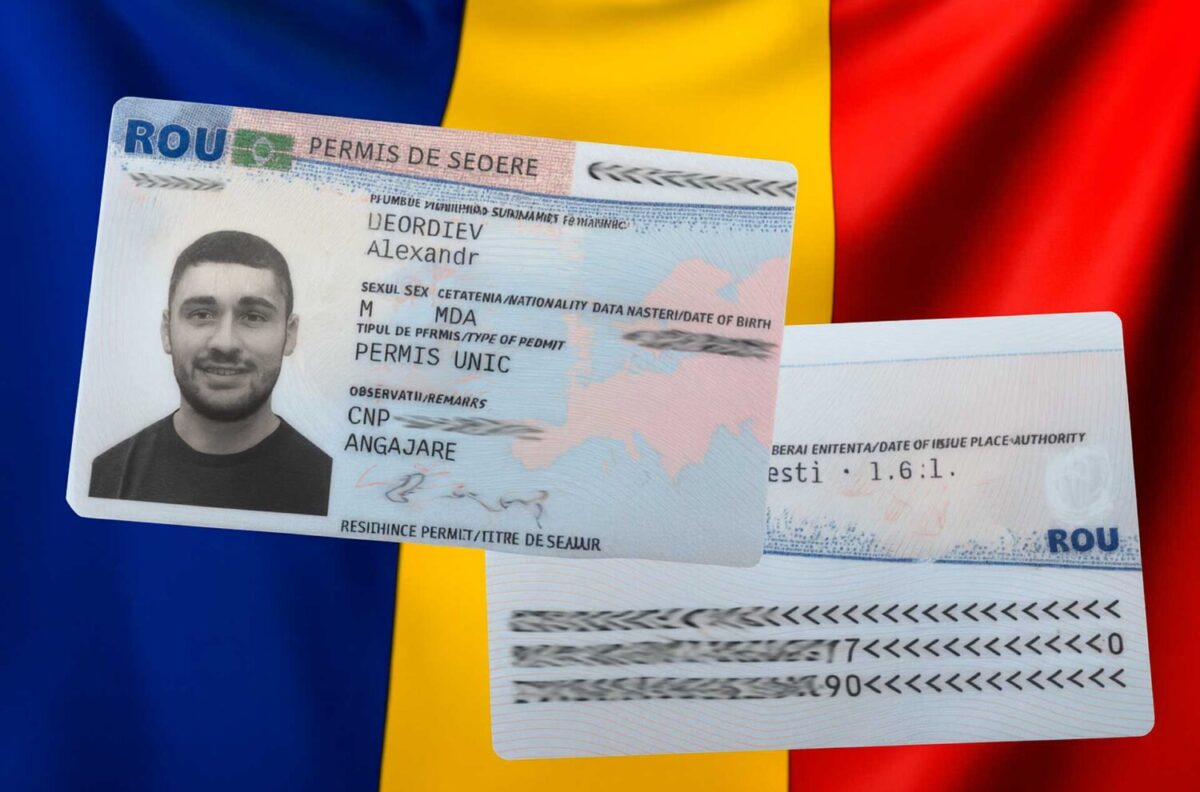
Romania
Foreign nationals who secure long-term residence in Romania gain access to a broad range of rights covering employment, education, healthcare, taxation and public services.
Romania’s General Inspectorate for Immigration has outlined five major areas in which long-term residents receive treatment similar to Romanian citizens.
The status can significantly change what foreigners are allowed to do in the country, particularly when it comes to employment and education. Long-term residents can work without obtaining a separate work authorisation and can enrol in different levels of education, including professional training.
The application process, however, can take several months, with immigration authorities allowed to extend the standard processing period in certain circumstances.
1. Foreigners can work without a separate work permit
One of the biggest advantages of Romanian long-term residence is the right to work without a separate work authorisation.
Foreign nationals with long-term residence can work in Romania under an individual employment contract approved by the Territorial Labour Inspectorate.
This removes an additional immigration requirement that may apply to foreigners whose residence status does not provide unrestricted access to the labour market.
For long-term residents looking to establish a career in Romania, the employment right provides greater flexibility when seeking jobs and building long-term professional stability.
2. Long-term residents can study and apply for scholarships
Education is another major area covered by the rights attached to long-term residence.
Foreigners with this status can enrol in all forms and levels of education and professional training available under Romanian rules.
They can also apply for scholarships.
Another important provision concerns qualifications obtained outside Romania. Diplomas, certificates and professional qualifications earned abroad can be subject to validation and recognition.
This can be particularly useful for foreign professionals who want to continue their education or pursue employment based on qualifications obtained in another country.
3. They gain access to healthcare and social protection
Romanian long-term residents are also entitled to access healthcare, social security and social assistance services.
The provision places long-term residents on a stronger legal footing than many temporary residents, particularly when it comes to accessing public support systems.
Access to these services can become important for foreigners who intend to make Romania their long-term home rather than staying for a short period.
4. Foreigners can benefit from certain tax deductions and exemptions
Long-term residence also comes with financial rights.
According to the immigration authority’s information, eligible long-term residents can benefit from tax deductions on global income as well as tax exemptions.
The tax provisions form part of the broader equal-treatment framework attached to long-term residence.
However, the exact tax treatment can depend on an individual’s circumstances and the applicable Romanian tax rules.
READ ALSO
Australia Global Special Humanitarian Visa: 5 Benefits Foreigners Get After Moving to the Country
Can’t Speak German? Germany Lists 7 Visa Types You Can Apply For Without German Skills
5. Long-term residents can access public services and housing
The fifth major benefit covers access to a range of public goods and services.
Long-term residents can obtain housing and are allowed to associate freely.
They can also join trade unions and professional organisations, giving them greater access to professional and civic life in Romania.
These rights are significant for foreigners who intend to establish permanent roots in the country.
How long does Romania’s long-term residence application take?
The Romanian immigration authority generally has up to six months to resolve a long-term residence application.
That period can be extended by another three months when there are objective reasons for doing so.
Applicants must be informed when such an extension applies.
Once a decision has been made, the applicant is notified in writing within 15 days.
If the application is approved, the applicant has 30 days from the date of notification to submit the documents required to obtain the long-term residence permit.
The documents are submitted to the territorial unit of the General Inspectorate for Immigration where the original application was filed.
What happens if Romania rejects a long-term residence application?
A refusal does not necessarily end a foreigner’s existing legal stay in Romania.
When an application is rejected, the applicant receives written notification explaining the reasons for the decision within 15 working days.
The applicant can challenge the refusal before the Court of Appeal within 30 days of receiving the written notification.
Importantly, a rejected long-term residence application does not automatically cancel the applicant’s existing right of residence in Romania.
The applicant’s existing immigration status and the circumstances surrounding the refusal will determine what happens next.
Why Romanian long-term residence matters for foreigners
For foreigners planning to build their lives in Romania, long-term residence offers considerably more than permission to remain in the country.
The status can provide access to the labour market without a separate work authorisation, education and scholarships, healthcare and social protection, tax benefits, housing and professional associations.
The application process can take up to six months, with a possible three-month extension, so applicants should factor the processing period into their plans.
Frequently Asked Questions
What are the benefits of long-term residence in Romania?
The main benefits include unrestricted access to work under the applicable employment conditions, education and scholarships, healthcare and social protection, certain tax deductions and exemptions, and access to public goods and services.
Can foreigners work in Romania with long-term residence?
Yes. Long-term residents can work in Romania without a separate work authorisation when working under an individual employment contract approved by the relevant labour authority.
Can Romanian long-term residents apply for scholarships?
Yes. Long-term residents can enrol in different forms and levels of education and professional training and can apply for scholarships.
Can foreign qualifications be recognised in Romania?
Yes. Diplomas, certificates and professional qualifications obtained abroad can be subject to validation and recognition under the applicable rules.
Do long-term residents get healthcare in Romania?
Long-term residents are entitled to access healthcare, social security and social assistance services under the applicable Romanian rules.
How long does Romania take to process a long-term residence application?
Applications are generally resolved within six months. The period can be extended by up to three additional months for objective reasons.
What happens after a Romanian long-term residence application is approved?
After receiving written notification of approval, the applicant has 30 days to submit the documents required for the long-term residence permit at the relevant immigration authority office.
Can a foreigner appeal a rejected Romanian long-term residence application?
Yes. A refusal can be challenged before the Court of Appeal within 30 days of receiving the written notification.
Does rejection of long-term residence automatically cancel a foreigner’s existing residence right?
No. A refusal of the long-term residence application does not automatically affect the applicant’s existing right of residence in Romania.
Can Romanian long-term residents join trade unions?
Yes. Long-term residents can associate freely and can join trade unions and professional unions.