

Canada open work permit: 15 eligible categories and what Nigerians need to know

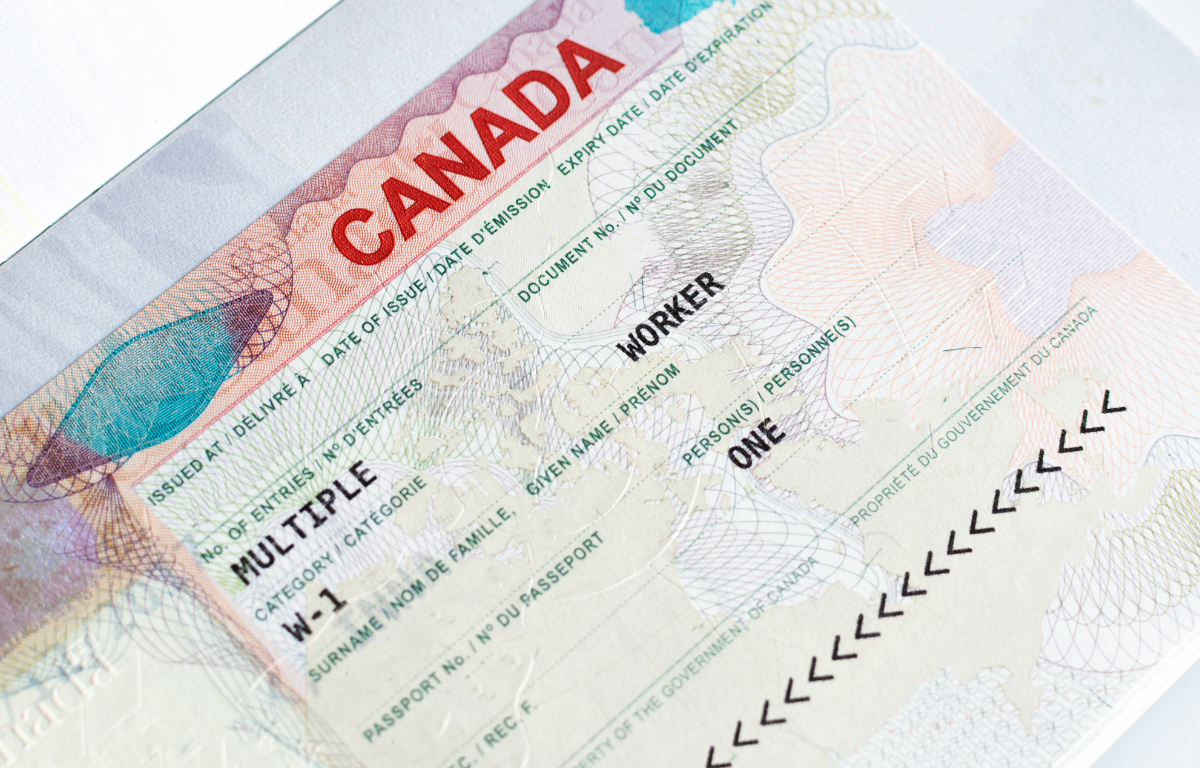
Canada Open Work Permit
Canada’s open work permit system is attracting fresh attention among Nigerians looking for ways to work in the country without first securing an employer-sponsored job.
The attraction is easy to understand. Unlike an employer-specific work permit, an open work permit generally does not tie the holder to one employer or require a job offer before applying. But that does not mean anyone can apply for one simply because they want to work in Canada.
Immigration, Refugees and Citizenship Canada (IRCC) says open work permits are available only to people who fall into specific situations. The federal government also makes clear that applicants cannot simply choose an open work permit because it is more convenient; they must meet the eligibility requirements for the particular category.
For Nigerians considering Canada, that distinction could determine whether an application is realistic or based on a misunderstanding of the rules.
What is a Canada open work permit?
A Canadian open work permit is a type of work authorization that generally allows the holder to work for almost any eligible employer in Canada without being restricted to one employer named on the permit.
That makes it different from an employer-specific work permit, which normally requires a job offer and can restrict the worker to a particular employer, occupation or location.
IRCC describes open work permits as being available in special circumstances rather than as the standard route for foreign workers. An employer-specific permit is the more common option for people coming to Canada specifically for a job.
For an open work permit, a job offer is generally not required. The difficult part is proving that you qualify under one of the categories recognized by Canadian immigration rules.
The biggest warning for Nigerians: no job offer does not mean no eligibility requirements
This is where many prospective applicants could get caught out.
A Nigerian living in Lagos, Abuja or elsewhere outside Canada cannot simply submit an application for an open work permit because they do not have a job offer.
IRCC states that open work permits are available only in specific situations. Its current guidance also indicates that many of the people eligible for open permits are already in Canada.
There are exceptions and programs that can involve applicants outside Canada, but eligibility depends on the particular immigration category.
That means “open work permit without a job offer” should not be interpreted as “work in Canada without a job offer from Nigeria.”
Canada’s 15 open work permit categories
The Canadian government identifies a range of circumstances in which a person may qualify for an open work permit. The categories include students and graduates, family members, vulnerable workers, permanent-residence applicants and certain other groups.
Here is what the categories mean for prospective applicants.
1. Post-graduation work permit applicants
International students who graduate from an eligible Canadian designated learning institution may qualify for a Post-Graduation Work Permit (PGWP) if they meet the program requirements.
This is one of the most important open work permit pathways for international students already in Canada.
The PGWP can give eligible graduates the opportunity to gain Canadian work experience after completing their studies, subject to the rules governing the program.
2. International Experience Canada Working Holiday applicants
Young people participating in eligible International Experience Canada (IEC) programs may qualify for an open work permit through the Working Holiday category.
This is not a general program available to every nationality. Eligibility depends on Canada’s agreements and arrangements with participating countries.
Nigerians should check whether their citizenship and circumstances qualify before treating this as an available route.
3. Destitute students
Students in Canada who can no longer afford the cost of their studies may qualify in certain circumstances.
IRCC includes students who are no longer able to meet the costs of their studies among potential open-work-permit applicants.
This category is intended for a specific financial hardship situation and should not be confused with a general work permit available to students who simply want to earn additional income.
4. Hong Kong recent graduates
Certain recent graduates from Hong Kong have access to a specific open work permit measure.
The category is subject to its own eligibility rules and is not a pathway available to Nigerian citizens simply because they have graduated from a school or university.
5. Family members of permanent residence applicants
Some family members of people who have applied for Canadian permanent residence may qualify for an open work permit.
IRCC lists dependent family members of permanent-residence applicants among potential open-work-permit candidates.
The precise requirements depend on the underlying permanent-residence application and the applicant’s circumstances.
6. Family members of certain foreign workers
Spouses and common-law partners of certain foreign workers in Canada may qualify for an open work permit.
The rules have become more restrictive in recent years, meaning not every spouse of every foreign worker automatically qualifies.
IRCC now sets conditions based on factors including the worker’s occupation, immigration pathway and the remaining validity of the worker’s permit.
That makes it important for Nigerian families to check the current rules rather than rely on older information circulating online.
7. Spouses and common-law partners of international students
Eligible spouses and common-law partners of international students can qualify for an open work permit under specific circumstances.
The rules are not universal, however. Eligibility depends on the student’s program and other requirements established by IRCC.
A Nigerian student planning to study in Canada should not automatically assume that a spouse will receive an open work permit simply because the student has a study permit.
8. Sponsored family members
Certain spouses, common-law partners and dependent children involved in Canada’s family sponsorship system can qualify for open work permits.
For example, a spouse or common-law partner being sponsored for permanent residence from within Canada may be eligible under the applicable policy. IRCC requires specific conditions to be met, including requirements concerning the permanent-residence application.
9. Refugees, asylum claimants and protected persons
Refugees, refugee claimants and protected persons can fall within Canada’s open-work-permit framework.
The category can also extend to certain family members, depending on the person’s circumstances.
This is a protection-based immigration category, not a standard employment route for people outside Canada looking for jobs.
10. Victims of workplace abuse
Workers in Canada who hold employer-specific work permits and are experiencing abuse or are at risk of abuse in connection with their employment may qualify for an open work permit.
The purpose is to allow vulnerable workers to leave an abusive employment situation without becoming trapped by a permit tied to that employer. IRCC specifically lists workers experiencing workplace abuse among those who may qualify.
11. People in crisis
Canada also has special measures for certain people experiencing crisis situations.
These programs can involve temporary public policies and specific eligibility conditions. Applicants should not assume that simply being in a difficult personal or economic situation qualifies them for an open permit.
12. Indigenous Peoples
Indigenous Peoples are included among categories that may qualify for open work permits under specific circumstances.
The category has particular eligibility requirements and should be assessed according to the applicant’s situation.
13. Permanent residence applicants
Some people who have applied for permanent residence can obtain an open work permit while waiting for a decision.
One important example is the Bridging Open Work Permit, which can allow eligible permanent-residence applicants to continue working in Canada while their application is processed.
IRCC lists bridging open work permits for certain permanent-residence applicants, including eligible Express Entry and provincial nominee applicants.
For Nigerians already working in Canada and moving through a permanent-residence pathway, this can be particularly significant when an existing work permit is approaching expiry.
14. Temporary resident permit holders
Certain people holding a valid Temporary Resident Permit (TRP) may qualify for an open work permit.
A TRP is issued in specific circumstances and is not the same thing as an ordinary visitor visa or temporary resident visa.
IRCC lists temporary resident permit holders among people who may be eligible for open work permits.
15. Quebec investors
Certain Quebec investors can qualify for an open work permit after receiving the required Quebec immigration documentation.
This is a highly specific category and is not a general investor route for anyone who has money to invest in Canada.
Applicants need to satisfy the applicable Quebec and federal immigration requirements.
READ ALSO
What the Canadian open work permit means for Nigerians
For Nigerians, the biggest opportunity is likely to be among people who already have a legitimate connection to Canada’s immigration system.
That could include a Nigerian student who graduates from an eligible Canadian institution, a spouse who meets the requirements to accompany an eligible student or worker, someone already in Canada pursuing permanent residence, or a person covered by one of Canada’s protection or vulnerable-worker provisions.
The rules make the open work permit much less straightforward for a Nigerian applicant sitting in Nigeria with no Canadian immigration status, no qualifying family relationship and no other eligible category.
IRCC’s outside-Canada guidance specifically says open work permits are for people in special circumstances and that a person cannot simply choose an open permit instead of an employer-specific permit.
Can Nigerians apply for a Canada open work permit from Nigeria?
In some circumstances, a person can apply for an open work permit from outside Canada, but this depends entirely on the category.
It would be misleading to describe the open work permit as a general immigration option for Nigerians living in Nigeria.
For most prospective foreign workers, the ordinary employer-specific route remains the more relevant pathway when they have a Canadian job offer. IRCC says an employer-specific work permit requires a job offer, while an open work permit does not, but only people who qualify for an open-work-permit category can use that route.
How much does a Canada open work permit cost?
IRCC currently lists the open work permit holder fee at C$100, in addition to the standard C$155 work permit processing fee, for applicants who are required to pay both.
Other costs can apply during the immigration process, including biometrics where required.
Applicants should use the official IRCC instructions for their specific category because fees and application procedures can change.
What jobs can you do with an open work permit?
An open work permit generally gives the holder much greater freedom to work for different employers than an employer-specific permit.
It does not mean every job or employer is automatically permitted.
IRCC states that open-work-permit holders cannot work for employers listed as non-compliant with the immigration rules or for businesses that regularly offer services such as striptease, erotic dance, escort services or erotic massages.
Additional restrictions can appear on individual permits.
An open work permit is not permanent residence
Another important point for Nigerian applicants is that an open work permit does not automatically lead to Canadian permanent residence.
It is a work authorization.
Some people may use Canadian work experience gained through an open permit to become eligible for a permanent-residence pathway, but they must separately meet the requirements of the immigration program they are applying under.
Canada has several permanent-residence routes, including federal and provincial programs, each with its own requirements.
Why Nigerians should be careful with “Canada no job offer” adverts
The phrase “Canada open work permit without job offer” can easily be turned into misleading advertising.
A legitimate open work permit can allow eligible people to work without first obtaining a job offer. But eligibility comes first.
A person who does not fall into an eligible category cannot create eligibility simply by paying an agent, submitting an application or purchasing an immigration package.
IRCC itself says applicants must meet additional criteria in each situation.
For Nigerians considering the route, the safest approach is to identify the exact category first, then check the current federal requirements before paying anyone to prepare an application.
Frequently asked questions about Canada’s open work permit
Can I get a Canada open work permit without a job offer?
Yes, eligible applicants can obtain an open work permit without a job offer, but only if they fall within a category recognized by IRCC. It is not a general work visa for anyone who wants to work in Canada.
Can a Nigerian apply for an open work permit in Canada?
Yes, Nigerians can qualify if they meet the requirements of an eligible open-work-permit category. Citizenship alone does not make someone eligible.
Can I apply for a Canada open work permit from Nigeria?
It depends on the category. Some open-work-permit situations can involve applicants outside Canada, while many categories concern people already in Canada. Nigerians should identify their specific category before applying.
Is a Canada open work permit the same as a work visa?
No. A work permit is authorization to work in Canada. A visa or travel document serves a different immigration purpose. Having a work permit does not automatically guarantee entry into Canada.
How much does a Canadian open work permit cost?
IRCC currently lists a C$100 open work permit holder fee and a C$155 work permit processing fee for applicants required to pay both.
Can I work for any employer with an open work permit?
Generally, an open work permit provides flexibility to work for eligible employers, but restrictions apply. Some employers and certain types of businesses are prohibited, and individual permits can contain additional restrictions.
Can my spouse get an open work permit if I study in Canada?
A spouse or common-law partner of an international student may qualify, but current Canadian rules impose specific conditions. It is not automatic for every international student or every study program.
Can a permanent-residence applicant get an open work permit?
Some permanent-residence applicants can qualify, including eligible applicants under bridging open work permit programs. The exact requirements depend on the permanent-residence pathway.
Does an open work permit guarantee permanent residence in Canada?
No. An open work permit is temporary work authorization. Permanent residence requires a separate application through an eligible immigration program.
Can I apply for an open work permit without having Canadian immigration status?
Not generally. Many open-work-permit categories are specifically designed for people who already have a qualifying situation in Canada. There are category-specific exceptions, so applicants must check the applicable IRCC rules.
Is the Canada open work permit still available in 2026?
Yes, open work permits remain available in 2026, but eligibility depends on the applicant’s circumstances and the specific category. Canada’s immigration rules have also changed for some family members and other groups, so older online lists may no longer be accurate.
What is the easiest way for a Nigerian to get a Canada open work permit?
There is no single easiest route. The most realistic option depends on whether the applicant is a Canadian graduate, eligible spouse or family member, permanent-residence applicant, vulnerable worker, refugee or falls into another recognized category. Applying under a category without meeting its requirements can lead to refusal.