

Germany’s 31 visa-free work Countries explained: What the rule means for Nigerians hoping to relocate

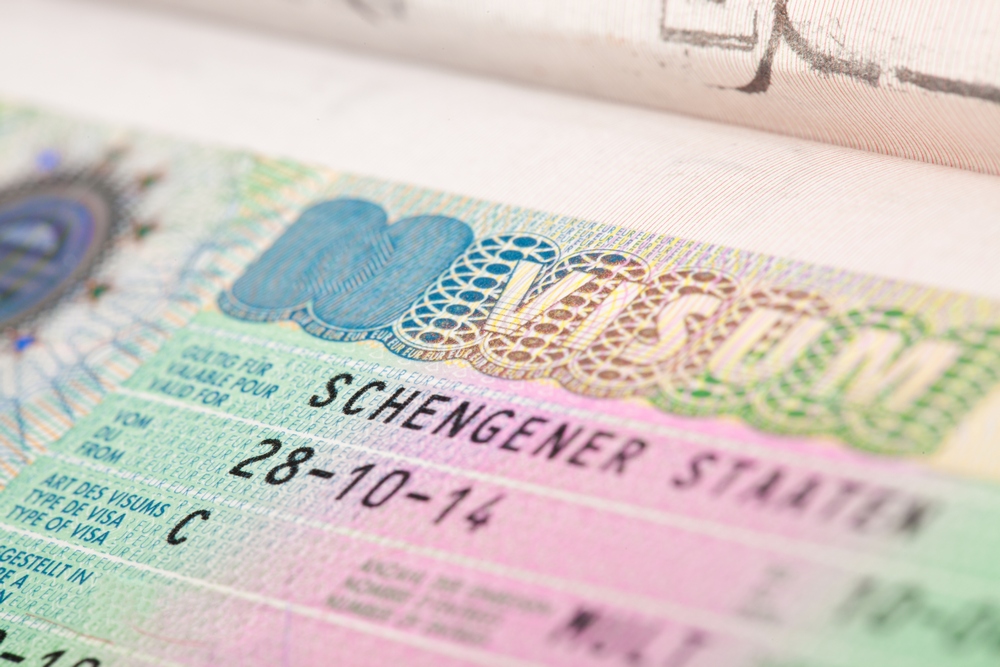
Germany lists 31 countries whose citizens can work visa-free, excluding Nigeria
Germany’s confirmation that citizens of 31 countries can live and work in the country without first obtaining a visa has renewed interest among Nigerians and other foreign nationals considering relocation to Europe’s largest economy.
The headline, however, has created room for an important question: what does Germany’s visa-free work arrangement mean for people whose countries are not on the list?
For Nigerians, the answer is straightforward but should not be confused with a ban or exclusion from Germany’s labour market. Nigeria is not among the countries whose citizens enjoy unrestricted access under the freedom-of-movement rules, meaning Nigerian citizens generally need to obtain the appropriate visa and residence permission before taking up employment in Germany.
Germany’s official immigration guidance makes a key distinction between citizens of the European Union and associated European states, and nationals of countries outside those arrangements. Citizens covered by the freedom-of-movement rules can enter Germany and access employment without a visa or residence permit, while most other foreign nationals must follow the country’s immigration process before beginning work. (Make it in Germany)
Full List of the 31 Countries Whose Citizens Can Work in Germany Without a Visa
The group consists of all 27 European Union member states, alongside Iceland, Liechtenstein, Norway and Switzerland.
The 31 countries are:
- Austria
- Belgium
- Bulgaria
- Croatia
- Cyprus
- Czechia
- Denmark
- Estonia
- Finland
- France
- Germany
- Greece
- Hungary
- Ireland
- Italy
- Latvia
- Lithuania
- Luxembourg
- Malta
- Netherlands
- Poland
- Portugal
- Romania
- Slovakia
- Slovenia
- Spain
- Sweden
- Iceland
- Liechtenstein
- Norway
- Switzerland
Citizens of these countries benefit from European freedom-of-movement arrangements that provide unrestricted access to Germany’s labour market. They generally do not need a visa or residence permit to enter Germany and take up employment, with a valid passport or national identity document serving as the basic entry document.
Nigeria Is Not on Germany’s 31-Country Visa-Free Work List
Nigeria is not included among the 31 countries.
This means a Nigerian citizen cannot simply travel to Germany and immediately begin working under the same rules available to EU, EEA and Swiss nationals.
For most Nigerians planning to move to Germany for employment, the route involves obtaining the appropriate visa or residence authorisation linked to the purpose of the stay. Germany’s Federal Employment Agency and official Make it in Germany portal state that nationals from countries outside the EU, EEA and Switzerland generally require the relevant permission to live and work in the country.
That distinction is important because being excluded from the 31-country list does not mean Nigerians cannot get jobs in Germany. It means the immigration process is different.
READ ALSO
Austria needs 64 skilled workers in 2026: What it means for foreigners seeking work and a Visa
What Nigerians Can Do Instead to Work in Germany
Nigerians seeking employment opportunities in Germany may qualify for different immigration routes depending on their education, professional experience, qualifications and employment plans.
Available options can include a work visa for qualified professionals, the EU Blue Card for eligible highly skilled workers, and other residence routes designed for people seeking employment or entering Germany through recognised professional pathways. The exact option depends on an applicant’s circumstances and qualifications.
Germany has continued to position itself as a destination for international skilled workers, particularly in sectors where employers face shortages. The country’s official employment guidance says foreign qualifications may need to be recognised or assessed, while language skills can also improve employment prospects and may be required in certain professions.
For some Nigerians, getting a confirmed job offer from a German employer may be the starting point. The employer and applicant can then follow the relevant visa process through the appropriate German diplomatic mission.
Being Visa-Free Does Not Mean Working Without Rules
One misconception surrounding the announcement is that citizens of the 31 countries can move to Germany and work without any administrative obligations.
The exemption mainly concerns the requirement for a visa and work-related residence permit under freedom-of-movement rules. People moving to Germany may still have obligations such as registering their address and complying with local tax, employment and residency rules.
Germany’s official guidance notes that EU citizens and citizens of Iceland, Liechtenstein, Norway and Switzerland have unrestricted access to employment and self-employment, but residence registration requirements can still apply after moving.
A Separate Group Can Enter Germany Without a Visa, But Cannot Automatically Start Working
There is another detail that is particularly relevant to people comparing Germany’s immigration rules.
Germany allows citizens of countries including Australia, Canada, Israel, Japan, New Zealand, South Korea, the United Kingdom and the United States to enter Germany without first obtaining an entry visa in certain circumstances. However, this does not give them the same unrestricted work rights enjoyed by the 31 countries on the EU, EEA and Swiss list.
Before taking up employment, nationals in this separate category generally need to obtain the appropriate residence permit from German authorities.
That means there are two very different concepts often grouped together under the phrase “visa-free.”
One concerns unrestricted access to the German labour market, while another may allow a person to enter Germany without an entry visa but still require work authorisation before starting employment.
For Nigerians planning a move, understanding that difference could prevent costly mistakes.
What the Germany Visa Rule Means for Nigerians in 2026
For Nigerians, Germany remains open as a destination for work, study and other legal migration routes, but the process requires preparation.
Applicants may need to secure a suitable visa, meet qualification requirements, provide supporting documents and, in regulated professions, complete recognition procedures. A job offer can strengthen some applications, while other routes may be available depending on an individual’s qualifications and circumstances.
The bigger takeaway from Germany’s 31-country list is not that other nationalities have been shut out. The list reflects Europe’s long-standing freedom-of-movement framework.
For a Nigerian hoping to relocate, the real question is less about whether Nigeria is on the visa-free list and more about which German immigration pathway matches their skills, qualifications and career plans.
Frequently Asked Questions About Germany’s Visa-Free Work Countries
Can Nigerians work in Germany without a visa?
No. Nigerians generally need the appropriate visa or residence authorisation to enter Germany for employment and legally take up work. Nigeria is not among the EU, EEA and Swiss countries whose citizens have unrestricted access to Germany’s labour market.
Which 31 countries do not need a visa to work in Germany?
The countries include all 27 EU member states: Austria, Belgium, Bulgaria, Croatia, Cyprus, Czechia, Denmark, Estonia, Finland, France, Germany, Greece, Hungary, Ireland, Italy, Latvia, Lithuania, Luxembourg, Malta, Netherlands, Poland, Portugal, Romania, Slovakia, Slovenia, Spain and Sweden, plus Iceland, Liechtenstein, Norway and Switzerland.
Does Germany have visa-free work opportunities for Nigerians?
Nigerians do not have visa-free access to Germany’s labour market under the EU/EEA/Swiss freedom-of-movement arrangement. Nigerians may still qualify for German work and residence routes if they meet the relevant requirements.
Can I move to Germany from Nigeria with a job offer?
A job offer may allow an eligible Nigerian applicant to apply for a suitable German work visa or residence route. The appropriate pathway depends on the job, qualifications and other immigration requirements.
Do I need a residence permit to work in Germany as a Nigerian?
Generally, yes. Nigerian citizens who are classified as third-country nationals normally need a residence permit authorising employment, with an appropriate visa usually required before entering Germany for work.
Can Nigerians study in Germany and stay to find a job?
International graduates from countries outside the EU, EEA and Switzerland may be able to obtain a residence permit of up to 18 months after successfully completing studies in Germany to look for qualified employment, subject to the applicable requirements.
Is Germany still recruiting foreign workers?
Germany continues to provide immigration pathways for qualified foreign professionals, and its official employment guidance highlights opportunities for skilled workers in sectors where employers need talent. Eligibility depends on qualifications, recognition requirements and the specific immigration route.