

APC primaries crisis deepens as Tinubu warns against imposition, Governors clash with aspirants ahead of 2027 elections

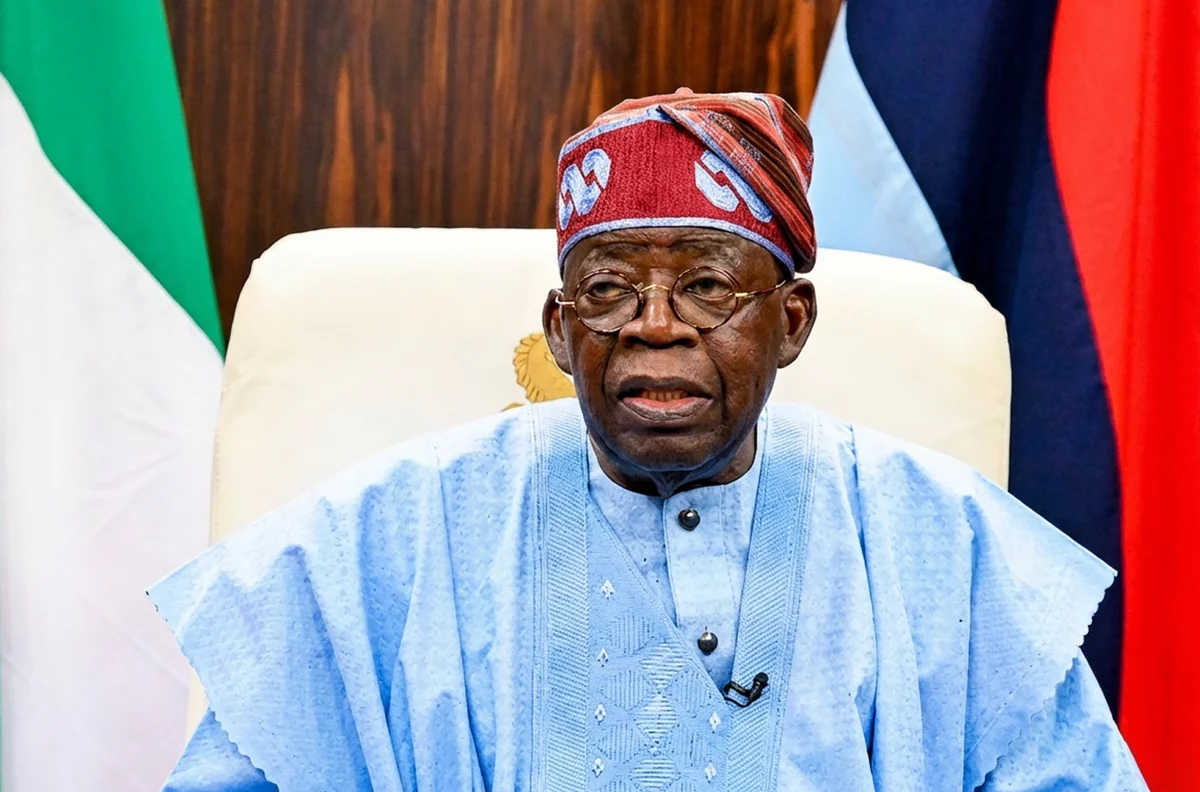
Tinubu urges peaceful APC primaries amid rising tensions
Fresh tensions have erupted within the ruling All Progressives Congress as governors, party leaders and aspirants battle over alleged candidate imposition ahead of the 2027 general elections.
The growing crisis forced the party’s National Working Committee (NWC) to soften its earlier push for consensus candidates and instead prepare for direct primaries in several states following widespread resistance from aspirants and grassroots members.
The internal disputes come just days before the party’s crucial primary elections, which will eventually culminate in the highly anticipated presidential primary where President Bola Ahmed Tinubu is expected to seek re-election.
Tinubu Warns Against Do-or-Die Politics in APC Primaries
President Tinubu urged party members to uphold fairness, peace and internal democracy during the primaries, warning against actions capable of damaging the APC’s unity.
In a statement issued through his Special Adviser on Information and Strategy, Bayo Onanuga, Tinubu stressed that consensus should only be adopted where all stakeholders genuinely agree.
According to the president, where consensus fails, party members should embrace transparent primaries and accept the outcomes peacefully.
Tinubu stated that elections remain a critical pillar of democracy and warned that bitterness and division could weaken both the APC and Nigeria’s democratic system.
The president also cautioned winners against arrogance while encouraging losing aspirants to remain loyal to the party instead of creating internal crises.
APC Retreats From Consensus Amid Pressure
The APC leadership initially preferred consensus arrangements to reduce tensions and avoid post-primary litigation. However, opposition from aspirants across multiple states forced the party to reconsider.
Party insiders revealed that the NWC eventually authorised the distribution of election materials nationwide, signalling approval for direct primaries where agreements could not be reached.
The House of Representatives primary election was also shifted to May 16, 2026, as the party struggled to manage disagreements among stakeholders.
The move is being viewed as an attempt to prevent a larger political crisis capable of destabilising the ruling party before the 2027 elections.
Governors and Aspirants Clash Over Alleged Imposition
One of the biggest issues threatening the APC primaries is the accusation that governors are attempting to impose preferred candidates.
In several states including Ondo, Kaduna, Nasarawa, Gombe, Zamfara and Ogun, aspirants openly rejected consensus arrangements, insisting on direct primaries.
In Ondo State, aspirants accused Governor Lucky Aiyetiwada of backing controversial consensus lists while allegedly sidelining many contestants.
The accusations escalated after some aspirants claimed political thugs were being mobilised against those opposing the arrangement.
Security concerns have also intensified, with Ondo, Kwara and Zamfara reportedly identified as volatile states during the primaries.
In Nasarawa State, supporters of former Inspector-General of Police Muhammed Adamu accused party leaders of trying to manipulate the governorship contest in favour of Senator Ahmed Wadada.
Similarly, former Minister of Communications Isa Pantami rejected reports of consensus in Gombe State, insisting that only transparent direct primaries could protect democracy within the party.
READ ALSO
APC Governors Back Tinubu’s Second-Term Bid
Despite the disputes at state level, APC governors have remained united behind Tinubu’s presidential ambition.
The Progressive Governors’ Forum, led by Imo State Governor Hope Uzodimma, endorsed Tinubu as the party’s consensus presidential candidate.
Uzodimma said the governors were satisfied with Tinubu’s leadership and economic reforms, pledging to mobilise support for his re-election.
The endorsement further strengthens Tinubu’s position ahead of the APC presidential primary scheduled for May 23.
So far, only a few party members have indicated interest in contesting against the president.
Protest Erupts in Oyo and Kaduna
In Oyo State, supporters of former Minister of Power Adebayo Adelabu protested against the endorsement of Senator Sharafadeen Alli as consensus governorship candidate.
The protesters accused party leaders of denying aspirants equal opportunities and demanded transparent direct primaries.
Kaduna State also witnessed growing tensions after stakeholders endorsed former Senator Shehu Sani for Kaduna Central Senatorial District.
Opponents rejected the endorsement and described it as an attempt to impose a candidate before the primaries.
Former Ondo Governor Mimiko Joins APC
Meanwhile, former Ondo State Governor Olusegun Mimiko officially defected from the opposition Peoples Democratic Party (PDP) to the APC.
Mimiko was received by APC leaders and supporters at the party’s Ward 7 secretariat in Ondo West Local Government Area.
The former governor Olusegun Mimiko said he joined the ruling party after observing what he described as positive developments under Tinubu’s administration.
His defection is considered a major political boost for the APC in Ondo State ahead of the 2027 elections.
APC Faces Critical Test Ahead of 2027 Elections
The APC primaries are shaping up to be one of the party’s biggest internal tests since its formation.
While party leaders continue pushing for unity, growing allegations of imposition, manipulation and political intimidation threaten to divide the ruling party.
Political observers believe the way the APC manages its primaries could significantly influence its chances in the 2027 general elections.
For now, all eyes remain on the party as aspirants, governors and stakeholders battle for control of the APC’s political future.
FAQ
What is happening in the APC ahead of the 2027 elections?
The APC is currently facing internal disputes ahead of its 2027 primary elections. Aspirants in several states are resisting attempts by governors and party leaders to impose consensus candidates.
Why is APC moving toward direct primaries?
The APC leadership shifted toward direct primaries after widespread resistance to consensus arrangements from aspirants and grassroots members across Nigeria.
What did Tinubu say about the APC primaries?
President Bola Tinubu urged APC members to avoid violence, embrace fairness and maintain unity during the primaries. He said consensus should only happen where all stakeholders agree.
What is the difference between consensus and direct primaries in APC?
Consensus means party leaders agree on a candidate without voting, while direct primaries allow registered party members to vote directly for their preferred candidates.
Which states are facing APC primary election tensions?
States reportedly facing major tensions include Ondo, Kaduna, Nasarawa, Gombe, Zamfara, Ogun, Kwara and Oyo.
Why are aspirants rejecting consensus candidates?
Many aspirants believe consensus arrangements are being used to impose candidates unfairly and deny party members the opportunity to choose leaders democratically.
Has Tinubu been endorsed for a second term?
Yes. APC governors under the Progressive Governors’ Forum endorsed Tinubu as the party’s consensus presidential candidate for the 2027 election.
Who is leading the APC governors’ support for Tinubu?
Imo State Governor Hope Uzodimma, chairman of the Progressive Governors’ Forum, is leading support for Tinubu’s second-term ambition.
Did Olusegun Mimiko join APC?
Yes. Former Ondo State Governor Olusegun Mimiko officially defected from the PDP to the APC in Ondo State.
Why is the APC primary election important?
The APC primaries will determine the ruling party’s candidates for governorship, National Assembly and presidential elections ahead of the 2027 general elections.
What is Option A4 in APC primaries?
Option A4 is an open voting system where party members line up behind their preferred candidates during primaries to ensure transparency.
Could APC’s internal crisis affect the 2027 elections?
Political analysts believe prolonged internal disputes could weaken the APC’s unity and affect its performance in the 2027 elections if not properly managed.