

Tinubu hands Governors massive power ahead of 2027 elections as APC shifts primaries and Senate plans emerge

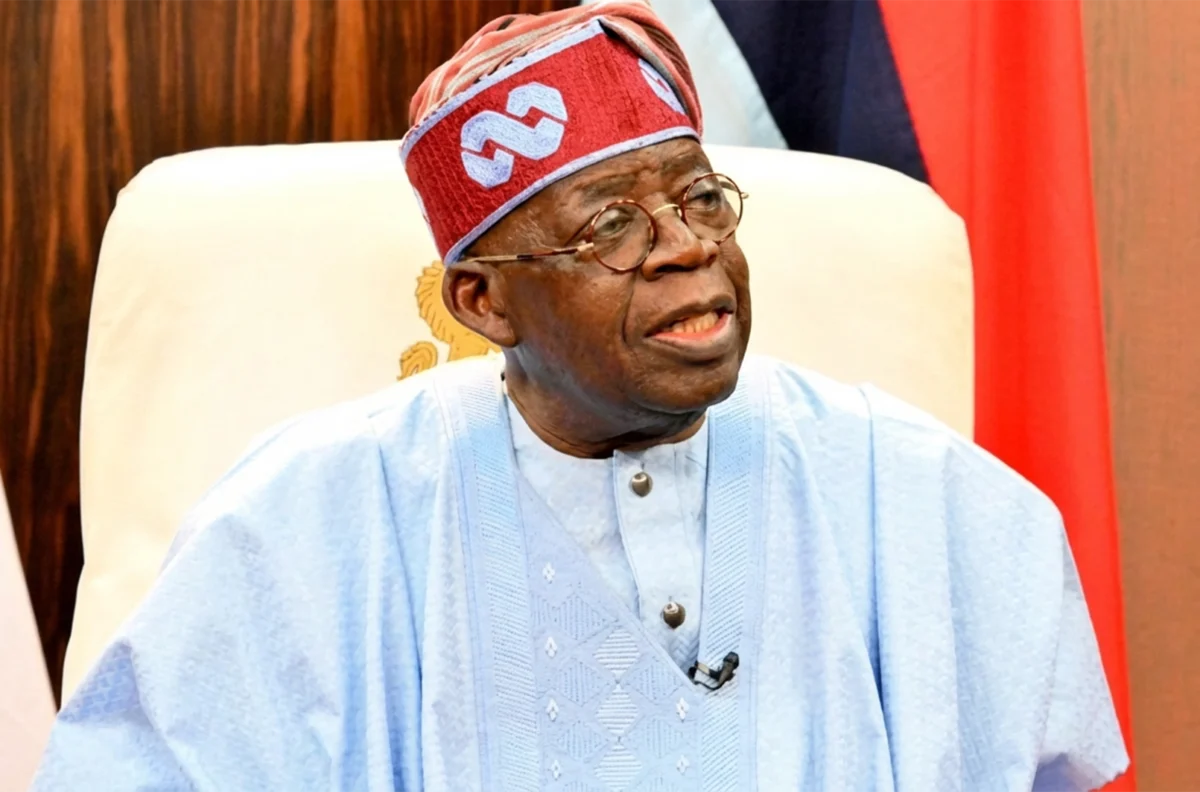
Tinubu meets APC governors over 2027 election strategy
Nigeria’s political landscape is rapidly evolving ahead of the 2027 general elections, as President Bola Ahmed Tinubu moves to consolidate party strength by granting greater influence to state governors within the ruling All Progressives Congress (APC).
In a series of high-level consultations in Abuja, the president held closed-door meetings with APC governors and Senate leaders, signalling a decisive shift in how candidates will emerge for key offices. The development comes alongside a revised primary election timetable and growing indications of strategic political repositioning across the country.
Tinubu Hands Governors Control of APC Primaries
A central outcome of the consultations is Tinubu’s decision to empower governors to drive the party’s primary process in their respective states. This effectively places governors at the heart of candidate selection for legislative and executive positions.
According to insiders, the move was reaffirmed during a meeting with governors, where the president endorsed both direct and consensus primaries, in line with Nigeria’s Electoral Act. Governors were tasked with ensuring free, fair, and coordinated primaries, reinforcing their status as party leaders at the state level.
This development also dismisses earlier lobbying efforts by federal lawmakers seeking automatic tickets for re-election, as Tinubu made it clear that no such provision exists within APC rules or the Electoral Act.
Revised APC Timetable Signals Urgency
The APC has also unveiled a revised timetable for its 2027 primaries, reflecting alignment with the Independent National Electoral Commission (INEC) schedule.
Key dates include:
- Sale of nomination forms: April 25 – May 2, 2026
- Submission deadline: May 4, 2026
- Screening of aspirants: May 6 – May 9, 2026
- Governorship primaries: May 21, 2026
- Presidential primary: May 23, 2026
The adjustment underscores the party’s early preparation strategy, aimed at avoiding internal disputes and strengthening its electoral chances ahead of the polls.
Senate Ambitions for Outgoing Governors Emerge
Beyond primary elections, Tinubu is reportedly encouraging second-term governors to contest Senate seats once their tenure ends in 2027. The strategy is seen as a way to:
- Maintain party loyalty and cohesion
- Keep experienced political figures within the APC structure
- Strengthen the party’s influence in the National Assembly
Governors such as Inuwa Yahaya and Babanaga Zulum are among key figures expected to play significant roles in this transition.
Political analysts note that this approach could reshape the composition of the Senate, potentially triggering intense contests in several states.
Lawmakers Face Uncertainty Amid Power Shift
Tinubu’s stance has created unease among sitting senators and House members, many of whom had hoped for guaranteed return tickets.
By placing final authority in the hands of governors, the president has effectively introduced a competitive process that prioritises performance and political alignment over incumbency.
This shift could lead to a high turnover rate in the National Assembly, as governors assert control over candidate selection and internal party structures.
READ ALSO
APC fixes 2027 primary election dates, sets ₦100m presidential form fee: See full timetable
APC Dismisses Nomination Form Restrictions
Amid speculation of restricted access to nomination forms, the APC leadership has clarified that all qualified members are free to participate.
Party officials described claims of limited access as “baseless rumours,” reiterating the commitment to transparency and inclusiveness in the selection process.
The adoption of both direct and consensus primaries is also intended to provide flexibility while minimising internal conflicts.
Strategic Meetings Signal Broader Political Realignment
Tinubu’s engagements with governors and lawmakers come within a broader context of intensifying political consultations ahead of 2027.
Observers believe the coordinated approach reflects an effort to:
- Strengthen internal party discipline
- Prevent fragmentation within the APC
- Position the party for a strong electoral showing
The back-to-back meetings with the Senate leadership and governors highlight the central role of political coordination in shaping the upcoming elections.
What This Means for Nigeria’s 2027 Elections
With governors now firmly in control of primaries, the APC’s internal dynamics are expected to shift significantly. The move could:
- Enhance grassroots influence in candidate selection
- Increase political competition within the party
- Consolidate Tinubu’s leadership ahead of re-election efforts
However, it also raises concerns about power concentration and intra-party tensions, particularly in states where political rivalries are already intense.
FAQ
Who controls APC primaries for the 2027 elections?
State governors have been empowered by President Tinubu to lead and influence APC primaries in their respective states, making them key decision-makers.
Are automatic tickets allowed in APC?
No. The APC constitution and Nigeria’s Electoral Act do not provide for automatic tickets. All candidates must emerge through primaries.
When will APC primaries take place?
APC primaries are scheduled between May 15 and May 23, 2026, with the presidential primary set for May 23.
Why is Tinubu encouraging governors to run for Senate?
The strategy aims to retain experienced leaders within the party, strengthen loyalty, and maintain APC dominance in the National Assembly.
What types of primaries will APC use?
The party will adopt both direct primaries and consensus methods, depending on the state and political context.
How does this affect current lawmakers?
Many lawmakers face uncertainty, as governors now have greater influence over candidate selection, potentially affecting re-election chances.
What role does INEC play in this process?
INEC provides the official election timetable and regulatory framework, ensuring all party primaries align with national electoral laws.