
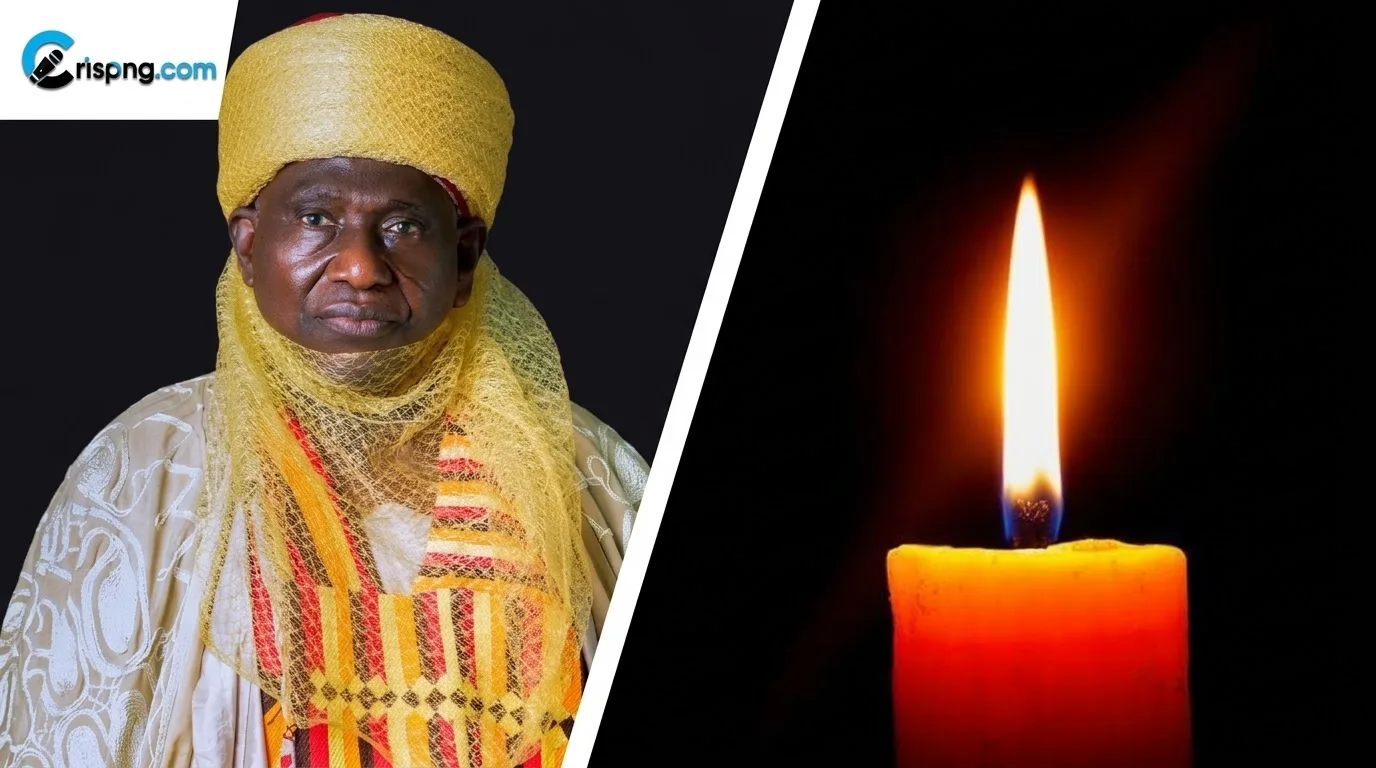
The death of Alhaji Aliyu Adebayo Balogun has left two important traditional positions vacant in the Ilorin Emirate. His passing raises questions about who will succeed him as Balogun Gambari and Balogun Agba, and how the Emirate’s traditional leadership structure will adjust.
The Ilorin Emirate is mourning the death of Alhaji Aliyu Adebayo Balogun, who held two prominent traditional titles: Balogun Gambari and Balogun Agba.
Senator Saliu Mustapha announced his death on Wednesday, November 25, 2026. The Emir of Ilorin, Alhaji Ibrahim Sulu-Gambari, also expressed condolences to the deceased’s family and the wider Emirate.
Adebayo was 96 years old. He occupied the number two position in the Ilorin Emirate Council, designated EC02, and served as the most senior among the Emirate’s Balogun titleholders.
According to SolaceBase’s report, he was turbaned as Balogun Gambari in September 2005 and became Balogun Agba in July 2022.
His death creates two separate succession questions within the traditional institution. The Emirate must determine who will occupy the vacant Gambari title and who will assume the senior Balogun position.
The two traditional titles Adebayo held
Understanding what happens after Adebayo’s death requires distinguishing between his two titles.
Balogun Gambari is one of the four principal Balogun titles in the Ilorin Emirate. The other three are Balogun Alanamu, Balogun Ajikobi and Balogun Fulani.
Historically, the Baloguns served as military commanders and political heads of different communities or wards. Their responsibilities later developed to include traditional administration and participation in the Emirate Council.
The Balogun Agba, however, is not another ward-based title. It identifies the most senior among the serving Baloguns.
This distinction explains why Adebayo’s death affects both the Gambari traditional leadership and the seniority structure of the Emirate Council.
Read also: Oba Olalekan Balogun: What to Know About the Life and Times of Late Olubadan
Who becomes the next Balogun Agba?
The Balogun Agba position follows a seniority arrangement among the four principal Baloguns.
Historical accounts of the Ilorin Emirate explain that the most senior serving Balogun occupies the position. This means Adebayo’s death could pave the way for another serving Balogun to assume the senior title.
However, the transition should not be treated as an automatic inheritance. The Emir’s recognition and formal appointment remain important parts of the traditional process.
A previous example occurred in 2016, when the Emir of Ilorin appointed Adebayo Aliyu, then Balogun Gambari, as the new most senior Balogun.
The appointment followed the death of the previous senior Balogun, Alhaji Mahmud Atiku, who was also Balogun Fulani. The report published by Ilorin.info documented that succession.
That precedent offers an indication of how the Emirate has handled a previous vacancy. However, it does not establish who will receive the title following Adebayo’s death.
Read also: Ex-Minister Jeremiah Useni Dies at 82: 10 Things to Know
The Balogun Gambari title requires a separate appointment
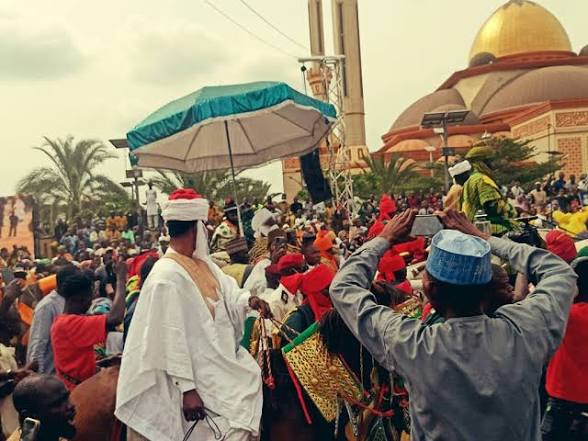
The vacant Balogun Gambari position presents a different succession question.
Unlike Balogun Agba, which concerns seniority among the four serving Baloguns, Balogun Gambari is tied to the Gambari community.
The title represents the community within the Emirate’s traditional leadership structure. Its next holder will therefore emerge through the established traditional process for filling that position.
The person appointed Balogun Gambari could eventually become Balogun Agba if he later becomes the most senior among the serving Baloguns.
However, holding the Gambari title does not automatically make someone the next Balogun Agba. The two positions have distinct succession considerations.
The Emirate has not announced who will replace Adebayo as Balogun Gambari.
Read also: Idowu Sobowale Dies at 85: The Life and Legacy of Veteran Communication Scholar
The Emir remains central to the succession process
The Emir of Ilorin, Ibrahim Sulu-Gambari, is the traditional authority at the head of the Emirate.
The Baloguns form part of the Emirate Council and participate in its traditional administration. Their positions are therefore not ordinary personal honours that families automatically inherit after an occupant dies.
Historical accounts identify the Emir as having a central role in appointing Baloguns and recognising changes in the traditional leadership structure.
The 2016 appointment of Adebayo as the most senior Balogun illustrates this authority. The Emir appointed him following the death of his predecessor.
The same process will be important in determining the next holders of the vacant positions. However, the Emirate has yet to publish a succession announcement or timetable.
Read also: Ajibola Afonja, Former Minister of Labour, Is Dead: What to Know About Him
What happens to the Emirate Council after his death?
Adebayo’s death leaves a vacancy in the Emirate Council’s seniority structure.
He occupied EC02, the position immediately below the Emir in the council’s designated hierarchy. His role as Balogun Agba also made him the most senior among the four principal Baloguns.
However, his death does not mean the Emirate Council loses its overall leadership or that traditional administration must stop.
The Emirate will have to recognise the appropriate successor under its established customs and authority.
The process will also determine who assumes the vacant Balogun Gambari title and represents the Gambari community in the council.
Former Senate President Bukola Saraki described Adebayo’s death as a loss to the Emirate’s traditional institution. He noted the late chief’s position as the second most senior titleholder and the responsibilities attached to it.
For now, the Emirate has announced his death and the Emir’s condolences, but has yet to name replacements for the two positions.
The appointments will determine how the traditional leadership structure adjusts to the loss of a chief who occupied two important positions within the Ilorin Emirate.