
I was still new in Abuja when I witnessed something that stayed with me. During Ramadan, I saw young boys returning from the mosque after evening prayers and breaking their fast. Some carried cutlasses, while others held long sticks. At the time, I wondered why they moved around with such objects. I did not understand the cultural and practical background behind what I had seen.
That memory has returned as Nigerians debate the presence of cutlasses and sticks at political gatherings.
On November 25, 2026, Peter Obi, presidential candidate of the Nigeria Democratic Congress (NDC), defended supporters of the Kwankwasiyya movement who attend political events with sticks and similar objects.
Obi said the practice was a longstanding tradition among the movement’s supporters. He also claimed he had never witnessed anyone being harmed because they carried the items.
His comments followed concerns about potentially dangerous objects at political gatherings. They also raised a wider question about the cultural background of sticks and cutlasses among some northern communities.
To understand the issue, it is important to distinguish between ordinary Fulani people and pastoralist communities whose livelihoods involve moving cattle across different landscapes.
The Fulani identity goes beyond cattle herding
The Fulani are a large ethnic group found across several West and Central African countries. In Nigeria, they have different occupations, lifestyles and settlement patterns.
Some live in towns and cities, work in businesses, hold public offices or pursue professional careers. Others maintain pastoral traditions and earn their livelihoods from cattle rearing.
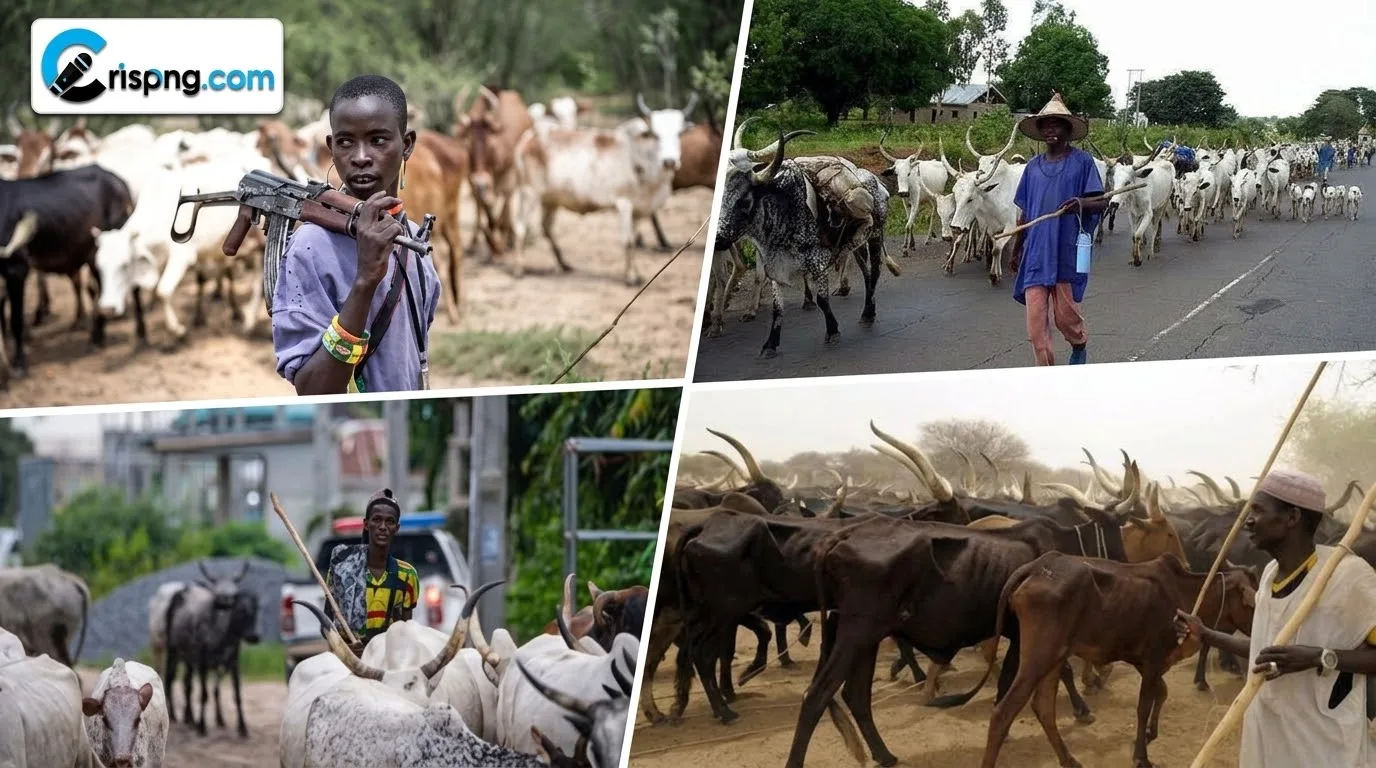
The latter group is often associated with the image of a herder moving across open land with cattle, a stick and other basic equipment.
However, not every Fulani person is a cattle herder. Neither does every Fulani herder follow the same practices.
Why herders use sticks and cutlasses
For pastoralists who move with cattle, a stick is a practical tool. It helps guide animals, direct their movement and manage the herd during grazing.
Herders may also use sticks to respond when animals become difficult to control. The implement is therefore associated with the everyday responsibilities of managing livestock.
A cutlass or machete serves different practical purposes. It can help clear vegetation, cut through thick grass and prepare materials needed during movement.
These tools are useful in environments where herders spend long periods outdoors and cannot always rely on nearby facilities or equipment.
Their presence should therefore not automatically be interpreted as an intention to attack someone.
Read also: How Benue State Became Epicentre of Farmers-Herders Clash
The stick also has a place in some Fulani traditions
Beyond its practical use, the stick has a place in some Fulani cultural practices.
Historical accounts describe sharo, a traditional stick-fighting contest associated with some Fulani communities. It is commonly linked to young men demonstrating courage and their ability to endure pain.
The practice involves participants taking turns striking one another with sticks. Its meaning and performance vary across communities, and it should not be treated as a universal Fulani custom.
Nevertheless, it shows that sticks can have social and cultural significance beyond their everyday use in cattle herding.
Guns are a different matter
The presence of firearms among some herders requires a separate explanation.
Unlike sticks and cutlasses, guns should not simply be presented as traditional pastoral equipment. Their circulation in rural communities is linked to wider security challenges, including cattle rustling, banditry, attacks on communities and the spread of illegal weapons.
A 2025 report, Pastoralist Practices in Nigeria in 2024-2025 and Their Relevance to Conflict, by researchers Roger Blench and Umar Hassan, examined pastoralist communities across 12 states.
The study found that weapons possession was becoming increasingly common among different groups. It also discussed the circulation of unlicensed firearms and their availability to both farmers and herders.
Importantly, the researchers cautioned that evidence of widespread firearm possession among herders was uneven. They noted that their study did not directly establish such proliferation in the North-West and North-East. The full report provides further details.
Read also: Open Grazing Prohibition Bill: Why Senate Must Avoid Drafting Errors
Cultural background does not settle the political debate

Obi’s comments have brought attention to the distinction between carrying an object and using it to threaten or harm another person.
However, describing an item as culturally significant does not automatically make its presence at every public gathering harmless.
Political rallies involve large crowds, competing supporters and heightened emotions. Security agencies and organisers must consider the potential risks associated with dangerous objects, regardless of the explanation for carrying them.
The cultural background of pastoral tools deserves recognition. At the same time, criminal conduct should be judged by the actions of individuals, not by their ethnic identity.
Understanding why some herders carry sticks and cutlasses can help Nigerians distinguish between traditional livelihood practices and the security challenges that have shaped public perceptions of these objects.