

9 Costly Tourist Mistakes That Drain Your Travel Budget Fast

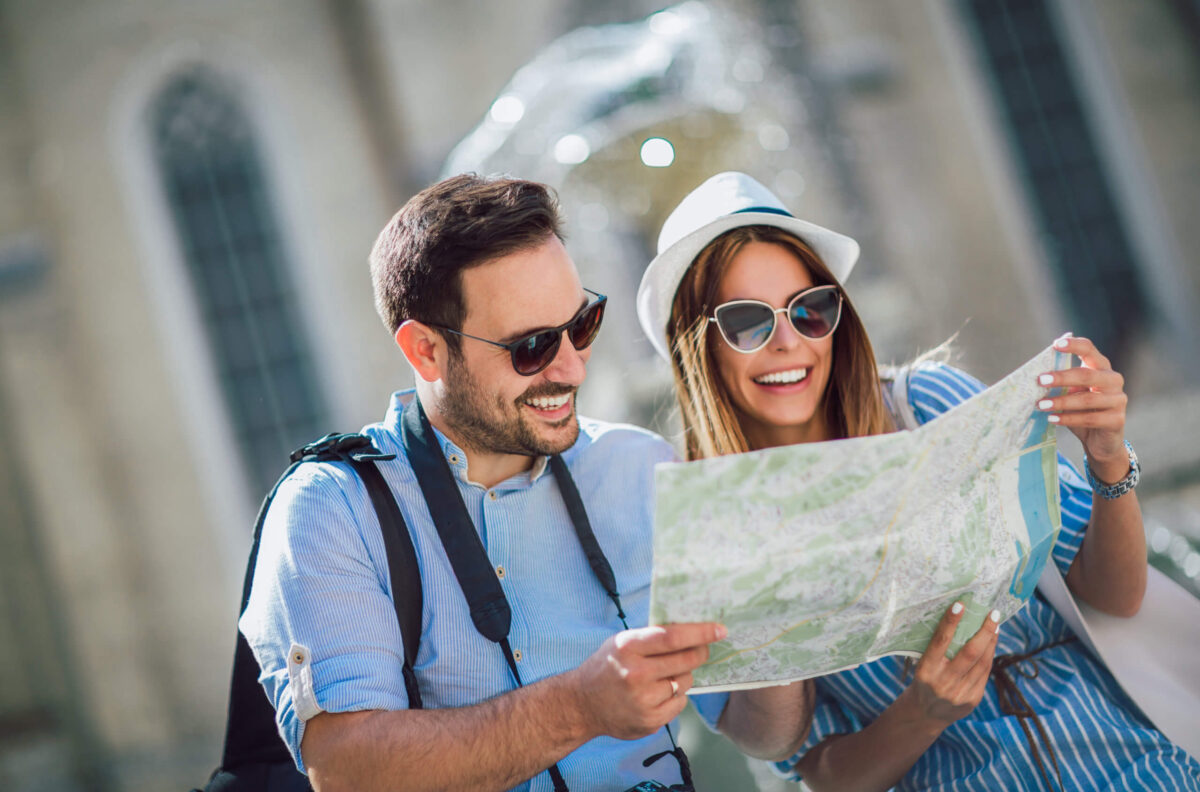
Tourist mistakes that secretly drain your vacation budget
Travelling can be one of life’s most rewarding experiences, but many tourists unknowingly spend far more money than necessary because of avoidable mistakes. From overpriced airport exchanges to booking flights at the wrong time, small decisions can quietly drain a travel budget faster than expected.
As international travel continues to rise in 2026, travel experts and nutritionists alike are encouraging tourists to plan smarter, spend wisely, and avoid common traps designed to target visitors. Whether you are planning a luxury getaway or a budget-friendly adventure, avoiding these costly mistakes could save hundreds, or even thousands, during your trip.
1. Booking Flights Too Late
One of the biggest travel mistakes tourists make is waiting until the last minute to book flights. Airfare prices often increase significantly closer to departure dates, especially during holidays and peak tourism seasons.
Travel analysts recommend booking international flights at least two to three months ahead. Midweek bookings and flexible travel dates can also help travelers secure lower fares.
Using fare comparison tools and setting price alerts can make a major difference in travel costs.
2. Exchanging Money at Airports
Airport currency exchange counters are notorious for poor exchange rates and hidden fees. Many tourists lose substantial amounts of money immediately after landing because they exchange cash at airports without comparing rates.
Financial experts advise travelers to withdraw local currency from reputable ATMs or use travel-friendly debit cards with low foreign transaction fees.
Planning ahead before departure can prevent unnecessary financial losses.
3. Ignoring Hidden Hotel Fees
Many travelers focus only on the advertised room rate and overlook extra charges such as resort fees, parking fees, Wi-Fi charges, taxes, and service fees.
These hidden expenses can dramatically increase accommodation costs.
Before confirming a booking, tourists should carefully review the full pricing breakdown and compare multiple hotel platforms to avoid unpleasant surprises.
4. Eating Only Near Tourist Attractions
Restaurants located near major tourist attractions often charge inflated prices while offering average food quality.
Travel experts recommend exploring local neighborhoods away from crowded tourist zones. Local eateries typically provide better meals at lower prices and offer a more authentic cultural experience.
Researching food spots before arrival can help tourists avoid overpriced dining experiences.
5. Overpacking and Paying Extra Baggage Fees
Overpacking remains a common and expensive travel mistake. Airlines continue to tighten baggage restrictions, and excess luggage fees can quickly add up.
Packing versatile clothing, checking airline baggage policies early, and traveling with carry-on luggage whenever possible can help travelers avoid unnecessary costs.
Minimalist packing also makes transportation easier and more convenient.
READ ALSO
8 Destinations Perfect for a Digital Detox Experience
6. Falling for Tourist Traps and Scams
Tourist-heavy areas are often filled with overpriced attractions, fake tour operators, and scam artists targeting unsuspecting visitors.
Travelers are advised to research attractions carefully, book tours through verified platforms, and remain cautious when approached by strangers offering deals that appear too good to be true.
Awareness is one of the best ways to protect both money and personal safety while abroad.
7. Not Buying Travel Insurance
Many tourists skip travel insurance to save money, only to face huge medical or cancellation expenses later.
Unexpected illnesses, lost baggage, delayed flights, or emergencies can turn a dream vacation into a financial disaster.
Comprehensive travel insurance provides valuable protection and peace of mind, especially for international travelers.
8. Using Mobile Data Without a Plan
Roaming charges can become shockingly expensive when travelers use their home mobile networks abroad without an international data plan.
Experts recommend purchasing local SIM cards, using eSIM services, or relying on secure public Wi-Fi where available.
Downloading offline maps and travel guides before departure can also reduce unnecessary data usage.
9. Failing to Research Local Transportation
Many tourists spend too much money on taxis because they fail to understand local transportation systems.
Public buses, trains, metro systems, and ride-sharing apps are often cheaper and more efficient.
Learning basic transportation options before arriving at a destination can significantly reduce travel expenses while improving convenience.
Smart Travel Planning Can Save Thousands
As global tourism continues recovering strongly in 2026, financial discipline and proper planning have become essential for travelers hoping to maximize their experiences without overspending.
Experts say the key to affordable travel is preparation. Comparing prices, researching destinations, and understanding local customs can help tourists avoid common financial mistakes.
For travelers willing to plan wisely, vacations can remain memorable without becoming unnecessarily expensive.
FAQ
What are the most common tourist mistakes?
The most common tourist mistakes include booking flights late, exchanging money at airports, ignoring hidden hotel fees, overpacking, falling for scams, and overspending at tourist attractions.
How can tourists save money while traveling?
Tourists can save money by booking flights early, using public transportation, eating at local restaurants, avoiding airport currency exchanges, and comparing hotel prices before booking.
Why is airport currency exchange expensive?
Airport exchanges usually offer poor conversion rates and charge extra fees because they target travelers who need immediate access to local currency.
Is travel insurance worth buying?
Yes. Travel insurance can cover medical emergencies, trip cancellations, lost baggage, and unexpected disruptions that could otherwise cost travelers significant money.
How far in advance should flights be booked?
Travel experts generally recommend booking domestic flights one to three months early and international flights two to six months ahead for better prices.
What are tourist traps?
Tourist traps are overpriced attractions, restaurants, shops, or services designed mainly to exploit visitors unfamiliar with local pricing.
How do tourists avoid scams abroad?
Tourists can avoid scams by researching destinations beforehand, using trusted booking platforms, avoiding unofficial guides, and remaining cautious around strangers offering deals.
What is the cheapest way to use mobile internet abroad?
Using local SIM cards, eSIM services, or international travel plans is usually cheaper than standard roaming services from home carriers.
Why do hotels charge hidden fees?
Hotels may add resort fees, taxes, parking charges, or service fees separately from the advertised room rate to increase profits.
Is public transportation better for tourists?
In many cities, public transportation is cheaper, faster, and more reliable than taxis, especially during heavy traffic periods.
What are the best budget travel tips for 2026?
The best travel tips include booking early, traveling during off-peak seasons, using price comparison apps, packing light, and choosing local experiences over expensive tourist activities.
How can first-time travelers avoid overspending?
First-time travelers should create a detailed budget, track expenses daily, avoid impulse purchases, and research destination costs before departure.