

8 Airport Innovations Changing the Passenger Experience

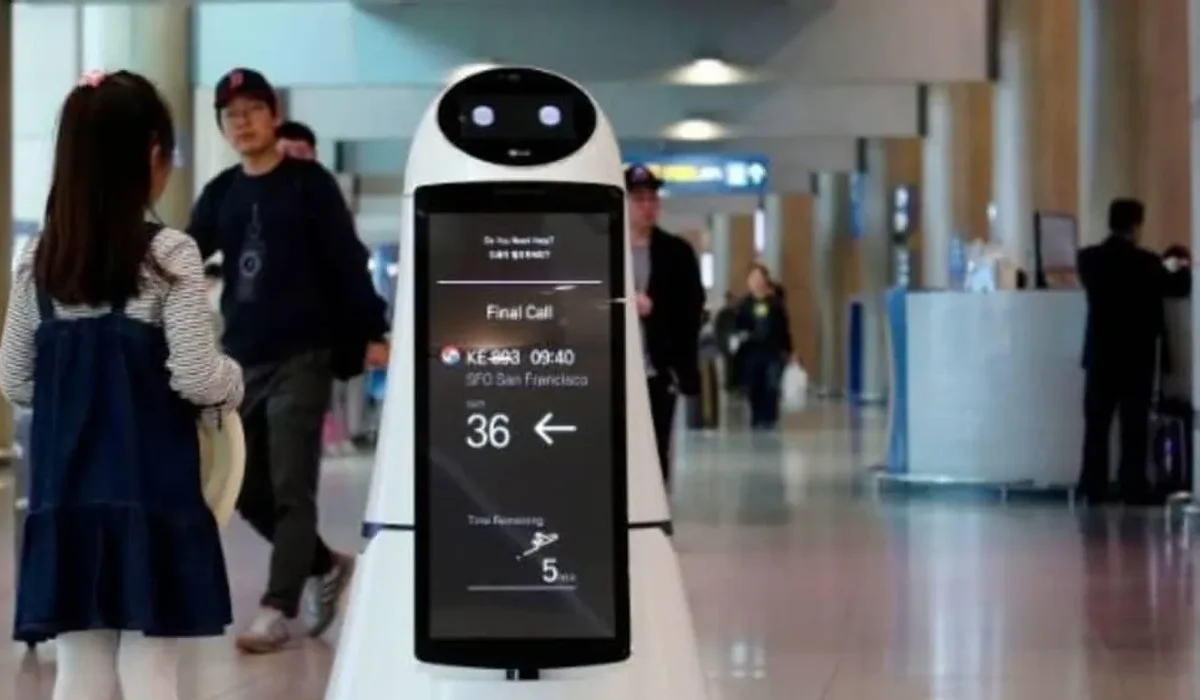
Airport Innovations is transforming how passengers travel. (Facebook/Build with Robots)
Airports are undergoing a major transformation as new technologies reshape how passengers check in, clear security, navigate terminals and board their flights. Long queues, paper documents and repeated identity checks are increasingly being replaced by biometrics, artificial intelligence, automation and connected digital systems.
The goal is simple: make the passenger journey faster, safer and more convenient. While the adoption of new technology varies from one airport and country to another, several innovations are becoming increasingly important in the aviation industry.
From facial recognition and smarter security screening to robots and personalised travel updates, here are eight airport innovations changing the passenger experience.
1. Biometric Technology Is Changing Airport Check-In and Boarding
One of the most significant airport innovations is the growing use of biometric technology.
Instead of repeatedly presenting a passport or boarding pass, passengers may use facial recognition or other biometric identification systems at different points during their airport journey. Depending on the airport and local regulations, biometric systems can be used for processes such as check-in, security checks, lounge access and boarding.
Supporters say biometric technology can help reduce waiting times and create a smoother passenger experience. It can also reduce the need for travellers to repeatedly search for physical documents.
Privacy remains an important part of the conversation. Airports and governments introducing biometric systems must address issues surrounding data protection, consent and the secure handling of passenger information.
2. Smart Security Screening Is Reducing the Airport Hassle
Airport security is becoming more advanced as new scanning technology improves how passengers and baggage are screened.
Modern security lanes can use advanced imaging and automated systems to help security personnel inspect bags more efficiently. Some airports are also adopting technologies that may allow passengers to keep certain approved electronic devices and liquids inside their bags during screening, depending on local procedures and equipment.
The passenger benefit is potentially significant. Security screening has traditionally been one of the most stressful parts of air travel, particularly during busy holiday periods.
Smarter screening technology is designed to improve both security and passenger flow, helping airports process growing numbers of travellers without simply adding longer queues.
3. Artificial Intelligence Is Helping Airports Manage Passenger Flow
Artificial intelligence is becoming increasingly important in airport operations.
AI-powered systems can analyse passenger movement, predict congestion and help airport operators identify areas where queues may be building.
Airports handle thousands or even millions of people moving through terminals, security checkpoints, gates and baggage areas. AI and data analytics can help operators better understand these movements and make adjustments before congestion becomes severe.
For passengers, this could mean shorter queues, improved staffing decisions and better communication about delays.
AI is also being explored for customer service, maintenance planning and operational decision-making, making it one of the most important technologies influencing the future of airports.
4. Airport Robots Are Taking on More Passenger Service Tasks
Robots are becoming increasingly visible at airports around the world.
Depending on the airport, robots can assist with passenger information, cleaning, security support and other operational tasks. Some are designed to guide travellers through terminals or provide directions and answers to basic questions.
Autonomous cleaning machines are also helping airport operators maintain large terminals, particularly in high-traffic areas.
The rise of airport robots does not necessarily mean human workers are disappearing. Instead, automation can help staff focus on tasks requiring human judgement, communication and problem-solving.
For passengers, the technology adds another layer of speed, convenience and accessibility.
READ ALSO
7 Countries Opening New Digital Nomad Opportunities in 2026
7 Reasons Slow Travel Is Taking Over Tourism
5. Smart Baggage Technology Is Improving Luggage Tracking
Lost or delayed luggage remains one of the biggest frustrations associated with air travel. New baggage technologies are helping airlines and airports improve tracking throughout the journey.
Digital tracking systems can provide better information about where a bag is during check-in, loading, transfer and arrival.
Passengers are also increasingly using personal tracking devices to monitor their luggage. While these consumer devices are separate from airline baggage systems, they have changed passenger expectations about visibility and real-time information.
The future of smart baggage handling is focused on providing more accurate updates and reducing uncertainty when bags are delayed.
6. Digital Travel Documents Are Creating a More Seamless Journey
The traditional airport experience often involves moving between multiple counters while presenting passports, boarding passes and other travel documents.
Digital systems are increasingly being developed to make this process more connected.
Mobile boarding passes, digital identity technologies and integrated airline apps allow passengers to manage more of their journey from a smartphone.
In the future, greater interoperability between airlines, airports and border authorities could make international travel even more seamless. However, widespread adoption depends on government regulations, international standards and strong cybersecurity protections.
The shift toward digital travel documents represents one of the clearest examples of how airports are becoming more connected and technology-driven.
7. Personalised Airport Apps Are Giving Passengers Real-Time Information
Airport apps are becoming more useful as travellers expect instant access to information.
Passengers can increasingly receive updates about gate changes, flight delays, boarding times, baggage collection and terminal services through airline and airport applications.
Some systems are also designed to provide estimated walking times, directions and information about restaurants, shops and lounges.
This personalised approach can make large airports easier to navigate, particularly for travellers with tight connections or limited familiarity with a terminal.
Real-time communication is becoming a major part of the modern passenger experience, helping travellers make decisions based on current airport conditions rather than static information screens.
8. Contactless and Automated Services Are Reshaping Airport Terminals
Self-service technology continues to expand across the aviation industry.
Self-check-in kiosks, automated bag-drop systems and contactless payment options are helping passengers complete tasks without waiting for traditional service counters.
These systems can reduce pressure on airport staff while giving travellers greater control over their journey.
Automation is also influencing retail, food services and lounge access. Contactless ordering and payment systems are becoming increasingly common, allowing passengers to spend less time waiting and more time managing their travel plans.
The long-term goal is a more frictionless airport experience, where passengers move through each stage of their journey with fewer unnecessary interruptions.
How Airport Innovations Are Changing the Future of Travel
The airport of the future is likely to be defined by a combination of automation, artificial intelligence, biometrics and connected digital services.
For passengers, the biggest benefits could include shorter queues, easier navigation, better access to information and less time spent dealing with repetitive processes.
However, technology alone will not solve every airport challenge. Passenger privacy, cybersecurity, accessibility and the need for reliable human assistance remain critical considerations.
What is becoming increasingly clear is that airports are moving toward a more connected model of travel. The passenger journey is no longer beginning at the check-in desk. It increasingly starts on a smartphone, continues through automated airport systems and may eventually rely on secure digital identities across multiple stages of international travel.
As airports continue investing in new technology, the passenger experience could become one of the biggest areas of change in global aviation.
FAQ: Airport Innovations and the Future of Passenger Travel
What are the biggest airport innovations changing passenger travel?
Major airport innovations include biometric identification, smart security screening, artificial intelligence, airport robots, digital travel documents, smart baggage tracking, personalised airport apps and automated self-service systems.
How is biometric technology used at airports?
Biometric technology can use facial recognition or other physical characteristics to verify a passenger’s identity. Depending on the airport and local rules, it may be used during check-in, security, boarding and border processing.
Will facial recognition replace passports at airports?
Facial recognition may reduce the number of times passengers need to physically present travel documents, but passports and other official documents remain important. The extent of biometric travel depends on government regulations and international travel requirements.
How is AI improving the airport passenger experience?
AI can help airports analyse passenger movement, predict congestion, improve operational planning and provide more efficient customer service. It may help reduce queues and improve how airports respond to changing conditions.
Are airport robots replacing human workers?
In most cases, airport robots are designed to support operations rather than completely replace human workers. They can handle repetitive tasks while staff focus on customer service, security decisions and other responsibilities requiring human judgement.
What is smart airport technology?
Smart airport technology refers to connected systems that use digital tools, automation, sensors, artificial intelligence and data to improve airport operations and the passenger journey.
How do smart security scanners work at airports?
Advanced security scanners use imaging and detection technology to help identify potential threats in passenger baggage. Procedures vary depending on the airport and country.
Will airport security become faster in the future?
New screening equipment and automated systems may reduce waiting times, but speed depends on passenger volume, staffing, security requirements and local procedures.
How is technology helping prevent lost luggage?
Digital baggage tracking allows airlines and airports to monitor bags at different stages of their journey. Improved tracking can help identify where luggage is when it is delayed or misrouted.
What are digital travel documents?
Digital travel documents can include electronic boarding passes, mobile identity systems and other technologies that allow passengers to store or verify travel information electronically.
What is a contactless airport?
A contactless airport uses digital and automated systems to reduce unnecessary physical interactions. This can include self-check-in, biometric boarding, automated bag drops and contactless payments.
Are smart airports safer?
Technology can improve airport security and operational monitoring, but safety depends on many factors. New systems must be properly tested, maintained and protected against cybersecurity threats.
What is the future of airports?
The future of airports is expected to involve greater use of AI, biometrics, automation, digital identities and real-time data systems. The overall focus is likely to remain on creating faster, safer and more convenient passenger journeys.